Published on: 2026-11-03 | Written by: Dr. Yasser Mohamed Abdel Rahim, PhD in Orthopedic Surgery
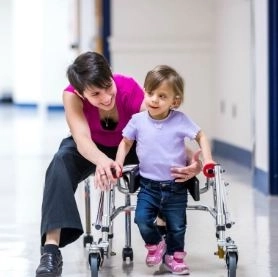
Bone deformities in children are among the medical conditions that require special attention and early diagnosis, as they may affect bone and joint development, walking patterns, mobility, and the child's ability to maintain balance and participate in daily activities. These deformities may be present from birth or develop during growth due to genetic factors, bone development disorders, nutritional deficiencies, or injuries affecting the bones and growth plates.
The goal of treating bone deformities in children is to correct bone and joint alignment, improve limb function, support healthy growth, and reduce the risk of future complications. Dr. Yasser Mohamed Abdel Rahim, Consultant of Orthopedic Surgery and Joints and holder of a Doctorate in Orthopedic Surgery from Kasr Al Ainy, provides specialized medical care in orthopedics, focusing on diagnosing bone conditions and determining the most appropriate treatment for each case.
Bone deformities in children are abnormal changes in the shape, direction, length, or alignment of bones and joints. Some deformities may be mild and have no effect on movement, while others require specialized medical evaluation and treatment to prevent complications affecting the child's growth and ability to walk and perform daily activities.
The type of deformity varies depending on the affected bones and the stage at which the condition is diagnosed. Deformities may affect the legs, feet, arms, or spine, and may also involve the knee or hip joints.
Early diagnosis is important because children's bones are still growing, allowing certain treatment methods to guide bone growth and correct deformities before they become more complicated.
Several factors may contribute to bone deformities in children, and the underlying causes vary from one child to another depending on the condition and medical history.
The most common causes include:
Genetic and congenital factors: A child may be born with deformities affecting bone or joint development due to abnormalities that occur during fetal development.
Vitamin D and calcium deficiency: A lack of essential nutrients required for bone development may lead to rickets, weakened bones, and certain deformities.
Growth disorders: Some conditions affect normal bone development, potentially causing differences in limb length or abnormal bone alignment.
Growth plate injuries: Certain fractures or injuries affecting the growth plates may alter the normal direction of bone growth.
Neurological and muscular disorders: Some conditions affect muscle balance and joint positioning, contributing to bone and limb deformities.
Inherited bone disorders: These may affect bone strength, shape, or growth rate.
Several types of bone deformities may develop during childhood. The most common include:
Bow legs are among the conditions parents may notice when there is a visible gap between the knees while the child stands with the feet close together. This condition may be a normal part of development at certain ages, particularly in young children. However, medical evaluation is necessary if the bowing persists, becomes more pronounced, or affects one leg more than the other.
Treatment depends on the cause, the child's age, and the severity of the deformity. It may involve regular monitoring, treatment of the underlying cause, or surgery when necessary.
This condition, medically known as genu valgum, occurs when the knees move inward and touch or come close together while standing, leaving a gap between the ankles.
It may occur naturally during certain stages of childhood development. However, persistent or severe cases, especially those affecting movement, require medical assessment.
Treatment focuses on identifying the cause of the leg alignment problem and evaluating its effect on walking and the joints.
Foot deformities include several conditions that affect the shape of the feet and the way they rest on the ground. Common examples include:
Clubfoot: A congenital deformity in which the foot turns inward and downward.
Flat feet: A condition in which the normal arch of the foot is reduced or absent.
Toe deformities: Abnormalities in toe shape that may affect appearance and function.
In-toeing or out-toeing: Abnormal foot positioning that may affect walking patterns.
Treatment varies depending on the condition, its severity, foot flexibility, and the child's age. It may include serial casting, braces, or surgery in certain cases.
Some children have a difference in the length of their lower limbs. This difference may be minor or significant and can affect body balance, walking patterns, and pelvic alignment.
Diagnosis requires accurate measurement of bone length and identification of the underlying cause. Treatment is then selected according to the degree of discrepancy and the child's expected growth.
Developmental dysplasia of the hip is a condition that may be present at birth or develop during the first months of life. It affects the normal relationship between the head of the femur and the hip socket.
Early diagnosis improves the chances of successful treatment using non-surgical methods in many cases, while advanced conditions may require medical or surgical intervention.
Certain spinal deformities may develop during childhood and adolescence. One of the most common is scoliosis, which involves a sideways curvature of the spine and may be accompanied by rotation of the vertebrae.
Scoliosis varies in severity. Mild cases may only require regular monitoring, while more advanced cases may require braces or surgery depending on the medical evaluation.
Parents should pay attention to certain signs that may indicate problems with bone or joint development, including:
Noticeable bowing of the legs or inward deviation of the knees.
Unequal appearance of the lower limbs.
Abnormal walking patterns or persistent limping.
Frequent falls or difficulty maintaining balance.
Noticeable differences in leg length.
Visible deformities of the feet or toes.
Recurrent bone or joint pain.
Difficulty running, jumping, or participating in physical activities.
Changes in spinal alignment or shoulder level.
The presence of any of these signs does not necessarily indicate a pathological deformity. However, a specialized examination helps determine whether the changes are part of normal development or require treatment.
Diagnosis depends on a comprehensive assessment of the child's condition, including the symptoms, when they first appeared, and an examination of the bones, joints, walking patterns, and mobility.
The diagnostic process may include:
Clinical examination: Evaluating limb appearance, bone alignment, and joint range of motion.
X-rays: Helping identify bone shape, the degree of deformity, and its location.
Limb length measurement: Determining whether there is a difference in the length of the legs or arms.
Specialized imaging: Additional examinations may be required depending on the deformity, such as ultrasound for evaluating the hip joint in infants.
Laboratory tests: These may be requested when vitamin deficiencies or disorders affecting bone development are suspected.
Dr. Yasser Mohamed Abdel Rahim determines the appropriate treatment plan based on the examination and diagnostic findings, taking into consideration the child's age, the severity of the deformity, and bone growth.
Treatment methods vary depending on the type, cause, and severity of the deformity. Not all cases require surgery, as some conditions can be managed through monitoring or conservative treatment.
Conservative treatment is used in cases that do not require surgical correction. It may include:
Regular monitoring of bone growth.
Using medical shoes or braces in selected cases.
Casting to correct certain foot deformities.
Treating vitamin D or calcium deficiencies when confirmed.
Physical therapy to improve muscle strength, balance, and mobility when needed.
The success of these methods depends on selecting the appropriate treatment for each condition and following the doctor's instructions and scheduled appointments.
Medical casting is used to treat certain bone and foot deformities in children. One of its most common applications is the treatment of clubfoot using the Ponseti method, which involves gradually adjusting the foot position through a series of plaster casts.
The cast is changed at intervals determined by the doctor to gradually improve foot alignment. Afterward, the child may need to wear a special brace to maintain the treatment results and reduce the risk of recurrence.
Surgery may be necessary in certain cases when the deformity is severe, persistent, or affects the child's movement and joint function, particularly when non-surgical treatments do not achieve the desired results.
Common surgical procedures include:
Corrective osteotomy: The bone is surgically cut and realigned to correct the abnormal angle, then stabilized using appropriate fixation methods.
Guided growth surgery: This technique uses the child's natural bone growth plates to gradually correct certain alignment problems during development.
Limb lengthening surgery: This may be used in cases involving differences in limb length, depending on the medical assessment.
Foot deformity correction: The appropriate surgical procedure is selected according to the type of deformity and its effect on movement.
Joint deformity correction: These procedures aim to improve joint alignment and restore function as much as possible.
The choice of surgery depends on the type and severity of the deformity, the child's age, and the remaining period of bone growth. Therefore, there is no single surgical procedure suitable for all cases.
Detecting bone deformities at an early stage is important because it helps doctors select the appropriate treatment before the condition progresses.
The main benefits of early diagnosis and treatment include:
Improving the chances of correcting certain deformities through non-surgical treatment.
Taking advantage of natural bone growth to correct specific alignment problems.
Reducing the possibility of deformities affecting the joints and walking patterns.
Improving balance, mobility, and the ability to participate in daily activities.
Reducing the risk of future functional complications in cases that require treatment.
However, the appropriate treatment time varies from one child to another. Some changes are normal during growth and do not require intervention, while others need early medical treatment.
Not all bone deformities can be prevented, especially congenital and hereditary conditions. However, certain measures can support bone health and normal growth, including:
Providing a balanced diet containing calcium and vitamin D.
Monitoring the child's growth and motor development regularly.
Ensuring that fractures and injuries affecting bone growth plates receive appropriate medical attention.
Seeking medical evaluation when abnormal changes in limb appearance are noticed.
Avoiding vitamin supplements or nutritional products without medical advice.
Paying attention to early screening for hip, foot, and spinal conditions.
Bone deformities in children require medical expertise in managing the unique characteristics of growing bones. Choosing the appropriate treatment depends not only on the appearance of the deformity but also on the child's age, bone growth plates, and the effect of the condition on joints and mobility.
Dr. Yasser Mohamed Abdel Rahim, Consultant of Orthopedic Surgery and Joints, carefully evaluates each child's condition and identifies the nature of the problem to determine the most appropriate treatment plan, whether it involves monitoring, conservative treatment, or surgical intervention.
Follow-up after treatment is also an essential part of medical care, as it helps assess the child's progress and ensure improvements in bone alignment and limb function as the child continues to grow.
If you notice bowing in your child's legs, differences in limb length, changes in foot shape, or abnormal walking patterns, it is important to seek a specialized examination to identify the cause and determine the most appropriate treatment.