
Published on: 2026-11-02 | Written by: Dr. Mahmoud Ibrahim Salem Cardiothoracic Surgeon
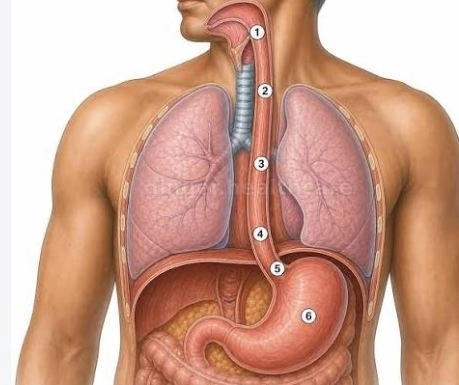
Lung and esophageal surgeries are specialized procedures within cardiothoracic surgery. They aim to treat a wide range of diseases, tumors, and conditions that affect the functions of the respiratory system and upper digestive tract. These surgeries include the management of lung and esophageal tumors, certain chest diseases, and conditions that require surgical intervention using either traditional surgery or thoracoscopy, depending on the nature of each case.
Dr. Mahmoud Ibrahim Salem, Lecturer and Consultant of Cardiothoracic Surgery at the Faculty of Medicine, provides diagnostic and evaluation services for conditions related to lung and esophageal surgeries and chest tumors. He holds a Doctorate in Cardiothoracic Surgery and is a member of the American and European Associations for Cardiothoracic Surgery.
Lung and esophageal surgeries are a group of medical procedures designed to treat diseases affecting the lungs, airways, and esophagus. These procedures may include removing tumors or affected tissue, or repairing certain conditions that interfere with the normal functions of these organs.
These procedures fall under thoracic surgery, which also includes the treatment of certain diseases affecting the chest wall, the membrane surrounding the lungs, and the area between the lungs.
The lungs play an essential role in breathing and the exchange of oxygen and carbon dioxide. They may develop various diseases that sometimes require surgical intervention.
Some of the main conditions that may require lung surgery include:
Lung tumors: These may be primary tumors or tumors that have spread to the lungs from other organs. Treatment depends on the type of tumor, its stage, and the extent of its spread.
Pulmonary nodules: These are small masses or abnormal areas found within lung tissue. Depending on their characteristics, they may require monitoring, a biopsy, or surgical removal.
Lung abscess: This is a collection of pus within lung tissue. Some cases may require surgical intervention if they do not respond to appropriate treatment.
Bronchiectasis: Severe cases may cause damage to parts of the lung tissue and may require surgical evaluation.
Pneumothorax: This occurs when air enters the space surrounding the lung, potentially causing it to collapse. Some cases may require surgical intervention.
Pleural diseases: These include certain tumors, fluid accumulation, and infections that may require surgery.
The need for surgery is determined after reviewing medical tests and imaging, evaluating respiratory function, and assessing the patient's overall health.
Lung operations vary depending on the location of the affected area, the size of the damaged tissue, and the nature of the disease. The most common procedures include:
This procedure involves removing a specific portion of the affected lung tissue. It may be performed to treat certain tumors or diseases confined to a particular area.
Each lung consists of several lobes. A patient may need to have one lobe removed if it contains a tumor or damaged tissue that cannot be treated through other methods.
This procedure involves removing an entire lung. It is performed in selected cases when the disease is extensive and removing a smaller portion is not sufficient. The decision requires careful evaluation of the patient's ability to breathe after surgery.
The doctor may need to take a sample of lung tissue to examine an abnormal mass or an unclear finding on imaging. This helps establish an accurate diagnosis.
The method used to perform these procedures may involve open surgery or thoracoscopic surgery, depending on the patient's condition and the suitability of each technique.
The esophagus is the muscular tube that carries food and liquids from the mouth to the stomach. It may develop certain conditions that affect its ability to function normally.
Some of the main conditions that require specialized evaluation in esophageal surgery include:
Esophageal tumors: These may be benign or malignant. Treatment depends on the type, stage, and location of the tumor.
Esophageal stricture: This condition may make swallowing difficult and may require therapeutic or surgical intervention depending on its cause and severity.
Achalasia: A condition that affects esophageal movement and the passage of food into the stomach.
Hiatal hernia: This occurs when part of the stomach moves into the chest cavity. Some cases may require surgical repair.
Severe gastroesophageal reflux: Some cases that do not respond to medical treatment may require evaluation for possible surgery.
Esophageal injuries or perforations: These conditions require urgent medical evaluation and may need surgical intervention.
Not all esophageal diseases require surgery. The choice of treatment depends on the diagnosis, disease severity, and its impact on swallowing and nutrition.
Symptoms vary depending on the affected organ and the nature of the disease. Signs that require medical evaluation include:
Symptoms of lung diseases:
Persistent or recurrent cough.
Shortness of breath.
Chest pain.
Coughing up blood.
Recurrent chest infections.
Unexplained weight loss.
Symptoms of esophageal diseases:
Difficulty swallowing.
Pain when swallowing food.
A sensation that food is getting stuck in the chest.
Regurgitation of food or stomach acid into the mouth.
Recurrent pain or burning behind the breastbone.
Weight loss due to difficulty eating.
Symptoms such as progressively worsening difficulty swallowing, coughing up blood, or severe shortness of breath require prompt medical evaluation.
Diagnosis depends on several tests that help the doctor determine the nature and location of the problem and how it affects the body's functions.
The most important diagnostic methods include:
Chest CT scan: Helps detect tumors, nodules, and changes in the lungs and chest organs.
Chest X-ray: Used to evaluate certain lung and chest conditions.
Bronchoscopy: Helps examine the airways and collect tissue samples when necessary.
Esophagoscopy: Used to examine the lining of the esophagus and evaluate certain cases of inflammation, narrowing, and tumors.
Tissue biopsy: Helps determine the nature of tumors or abnormal changes.
Pulmonary function tests: Evaluate lung efficiency and the patient's ability to tolerate surgery.
The doctor selects the appropriate tests according to the symptoms, suspected diagnosis, and the patient's overall health.
There is more than one method for performing lung and chest surgeries. The choice depends on the nature of the disease, its location, and the extent of the required intervention.
Open surgery:
This procedure is performed through a surgical incision in the chest wall, allowing the surgeon to reach the affected area and perform the required operation. It may be necessary in certain complex cases or when thoracoscopy is not suitable.
Thoracoscopic surgery:
This procedure is performed through small incisions in the chest wall. The doctor inserts a camera and specialized surgical instruments through these openings to examine the internal organs and perform the required intervention.
In suitable cases, thoracoscopy may help reduce the size of surgical incisions and postoperative pain. However, it cannot be used in every case, and choosing the appropriate technique remains a medical decision based on the patient's evaluation.