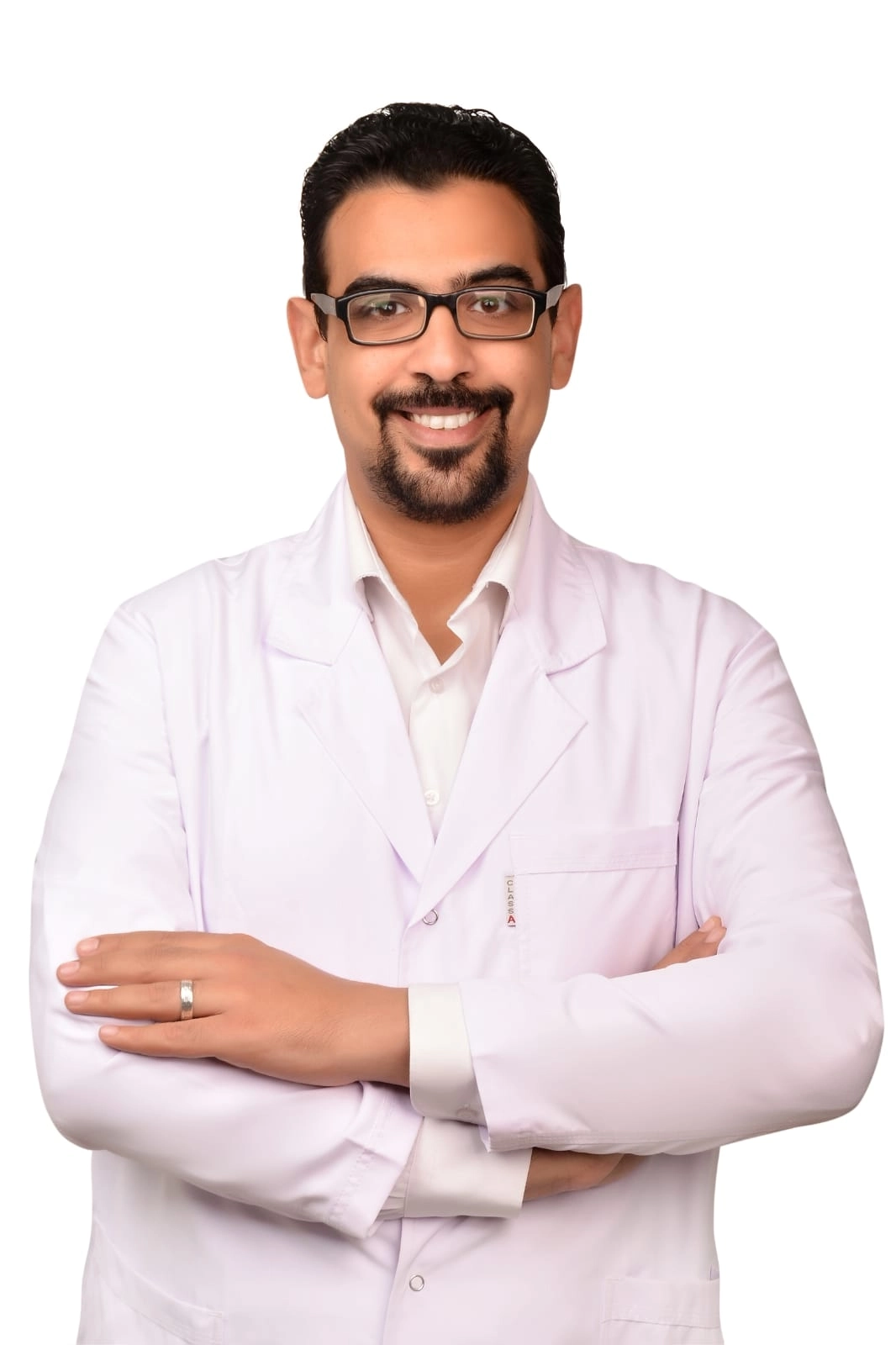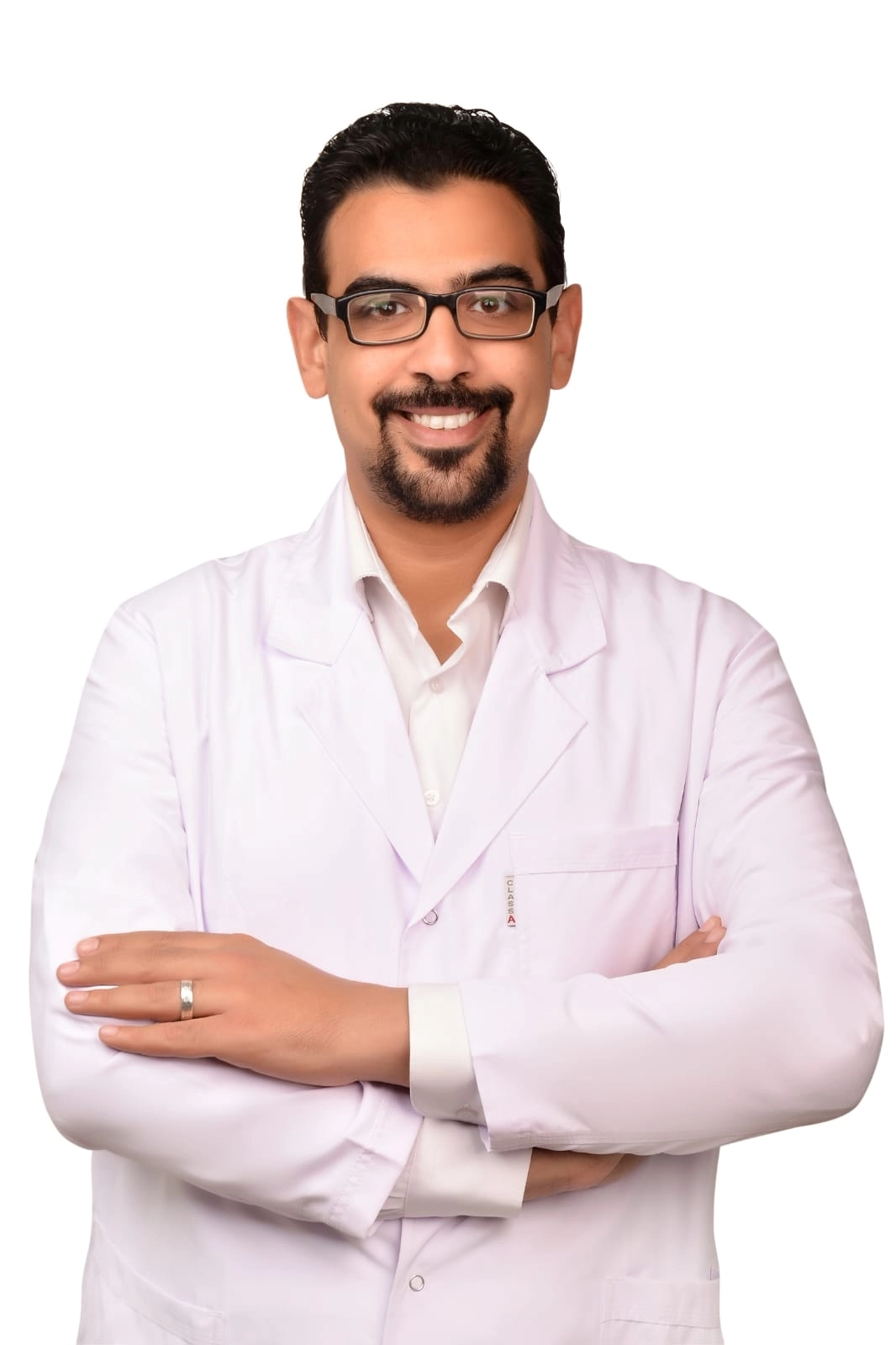

Published on: 2026-11-02 | Written by: Dr. Salem Mahrous Center for Physical Therapy
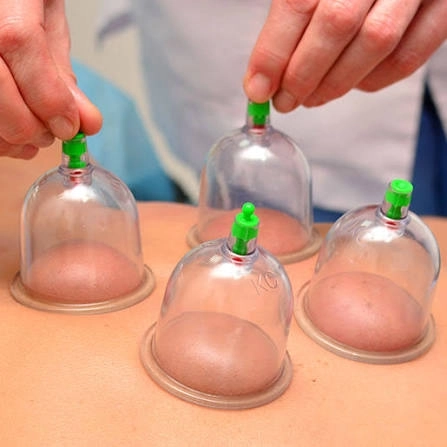
Therapeutic Cupping Therapy is one of the oldest and most established complementary medical practices, proving highly efficient in stimulating blood circulation and enhancing the body’s self-healing mechanisms. Cupping relies on placing specialized cups on targeted pathways on the skin to generate negative pressure (suction). This action increases oxygen-rich blood flow, triggers localized neuromuscular and immune responses, and purifies deep tissues from accumulated metabolic waste and toxins. With modern advances, cupping has been integrated into supportive treatment protocols for musculoskeletal pain, chronic headaches, and circulatory disorders, provided it is performed under strict sterilization standards and expert medical supervision.
Therapeutic cupping sessions aim to improve blood flow in target tissues, reduce muscular tension, stimulate the immune system, and effectively relieve chronic back and joint pain.
Dr. Salem Mahrous clarifies that therapeutic cupping is not merely a traditional heritage practice, but rather a precise complementary medical procedure that requires a deep understanding of anatomy, nerves, and muscle pathways to ensure maximum benefit with absolute safety.
Stimulating Microcirculation: Increasing blood and oxygen supply to stiff or injured muscle tissues.
Relieving Chronic Pain: Triggering the release of the body's natural painkillers (such as endorphins) and dampening painful nerve signals.
Removing Metabolic Waste and Toxins: Drawing out impurity-laden fluids from superficial tissue layers via safe, microscopic scratches.
Enhancing the Immune and Nervous Systems: Activating local and systemic immune responses to accelerate healing and recovery.
The practice of cupping has seen remarkable development through the adoption of sterile single-use medical suction cups, as well as modern dry, sliding, and targeted wet cupping techniques.
Dr. Salem Mahrous points out that relying on single-use sterile tools exclusively for each patient, along with selecting the appropriate cupping method (whether dry or wet), represents the fundamental standard for medical safety and infection control.
Dry Cupping: Skin suction without skin incisions to activate muscles and relieve stiffness and quick tension.
Wet Cupping (Hijama): Making extremely fine, superficial micro-scratches after initial suction to draw out congestive blood and metabolic impurities.
Sliding Cupping: Moving cups coated with medical oils over major muscles to release muscular adhesions.
Sterilization and Single-Use Tools: Utilizing sterile single-use plastic cups and medical lancets dedicated to a single patient to ensure the highest infection control standards.
Cupping sessions follow a strict, structured medical protocol starting with a comprehensive health assessment of the patient and ending with post-procedure care instructions for scratch sites.
Dr. Salem Mahrous advises conducting a thorough health evaluation prior to the session (such as verifying the absence of severe bleeding disorders, acute anemia, or severe low blood pressure), emphasizing that adhering to medical prerequisites guarantees a safe and effective session.
Medical Assessment and Comprehensive Examination: Reviewing patient history and mapping the appropriate cupping points tailored to their health complaints.
Thorough Skin Sterilization: Disinfecting target areas completely with medical antiseptic solutions before cup placement.
Initial Suction Phase (Dry Cupping): Applying cups and generating moderate negative pressure to stimulate and prepare the area.
Performing Superficial Micro-Scratches (in Wet Cupping): Making ultra-shallow microscopic incisions that do not penetrate beyond the outer dermal layer to avoid pain.
Final Suction and Subsequent Disinfection: Repeating suction to extract targeted fluids, then removing cups and cleansing the skin with clean medical dressings.
The post-cupping period is vital for ensuring rapid healing of superficial scratches and maintaining patient stability without physical stress.
Dr. Salem Mahrous stresses that avoiding exposure to cold drafts, abstaining from hot showers for several hours, and drinking plenty of fluids serve as golden rules for ensuring a swift recovery.
Keeping Cupping Sites Clean and Dry: Maintaining clean skin and avoiding harsh perfumed creams or chemical irritants over scratch sites.
Increasing Water and Fluid Intake: Replenishing the body with fresh water and natural juices to support and detoxify blood circulation.
Avoiding Strenuous Physical Exertion: Abstaining from heavy workouts or lifting heavy weights for 24 hours post-session.
Steering Clear of Heavy, Fatty Meals: Eating light, nutritious, and healthy food to boost bodily energy and healing capacity.
Medical Follow-Up When Necessary: Consulting the physician if unexpected redness or unusual symptoms occur.
Undergo Cupping Exclusively with Licensed Specialists: Avoid unlicensed centers or medically unqualified individuals.
Contraindications for Special Cases: Refrain from cupping during pregnancy, severe bleeding disorders, or acute anemia without prior physician approval.
Adhere to Periodic Session Schedules: Space out sessions appropriately based on bodily response and medical guidance.
Maintain Ongoing Follow-Ups with Your Specialist:
Dr. Salem Mahrous emphasizes in his concluding guidance that therapeutic cupping remains a valuable complementary treatment when performed according to disciplined scientific and medical methodology. He confirms that accurate diagnosis, absolute hygiene and sterilization, and awareness of health guidelines are the foundational pillars for enjoying sustainable health and vitality.