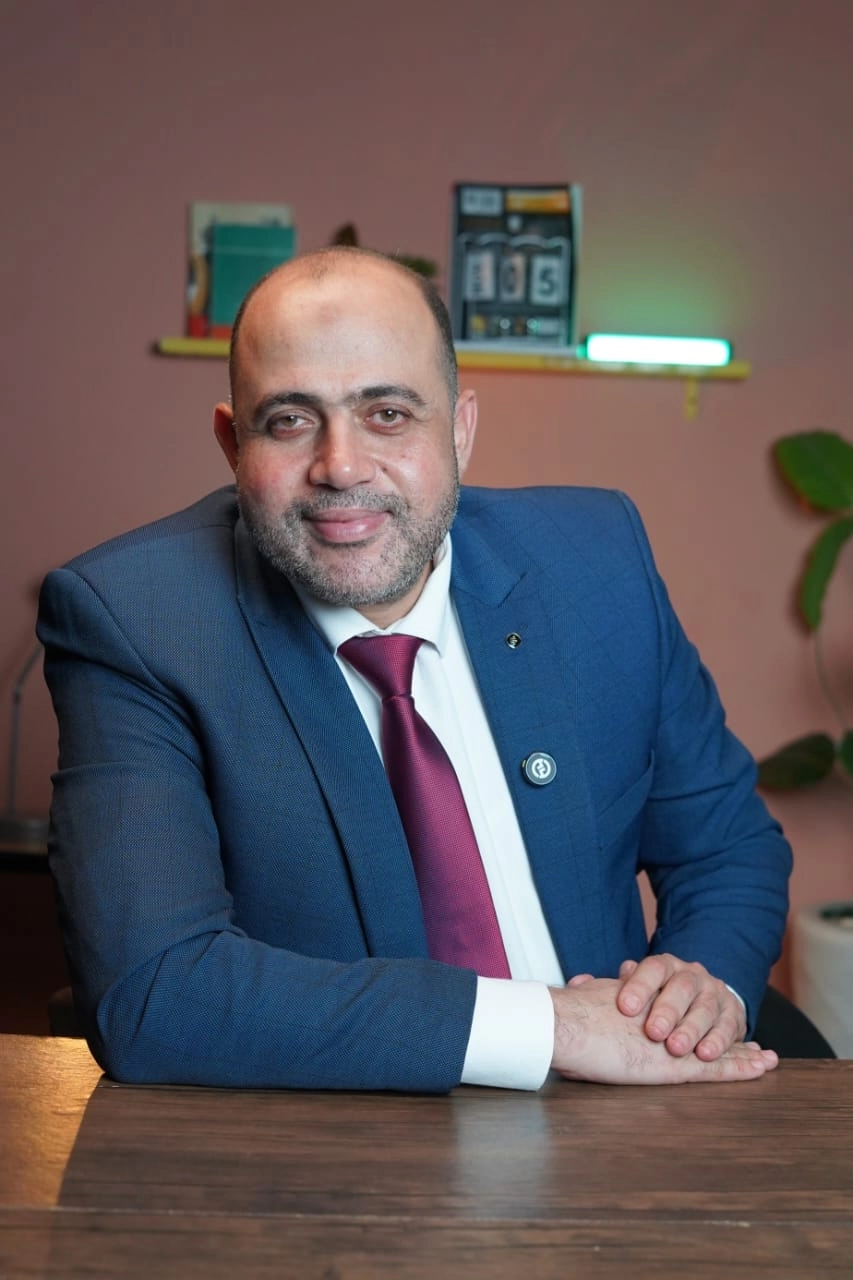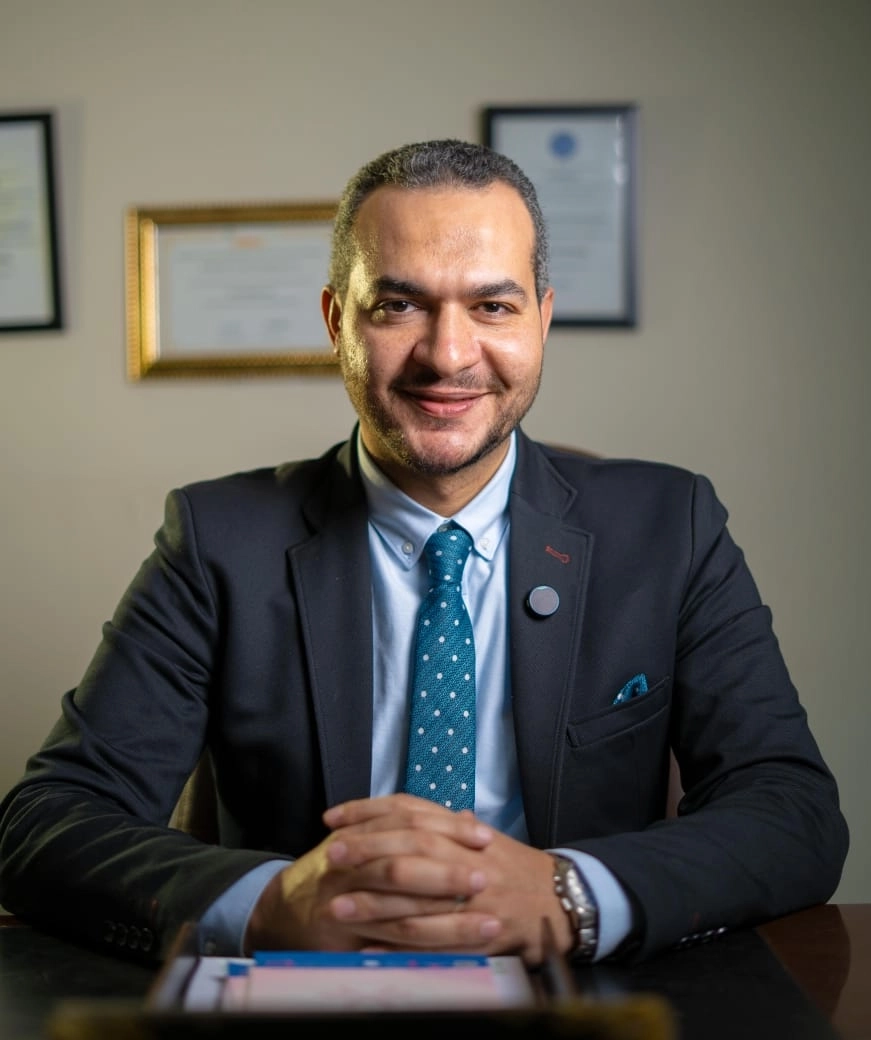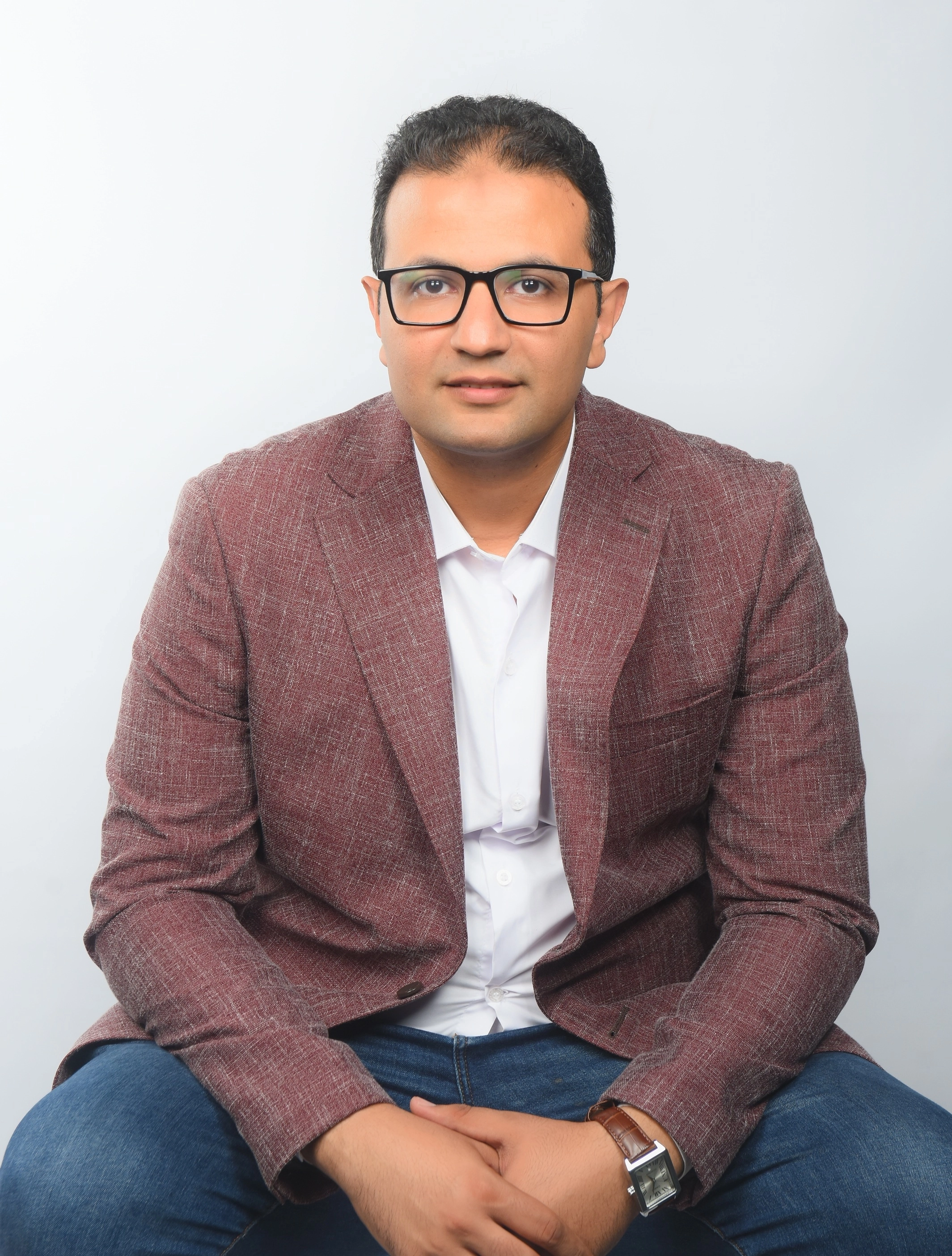

Published on: 2026-10-26 | Written by: Dr. Amr Aliwa El-Moslemy – Consultant of General Surgery
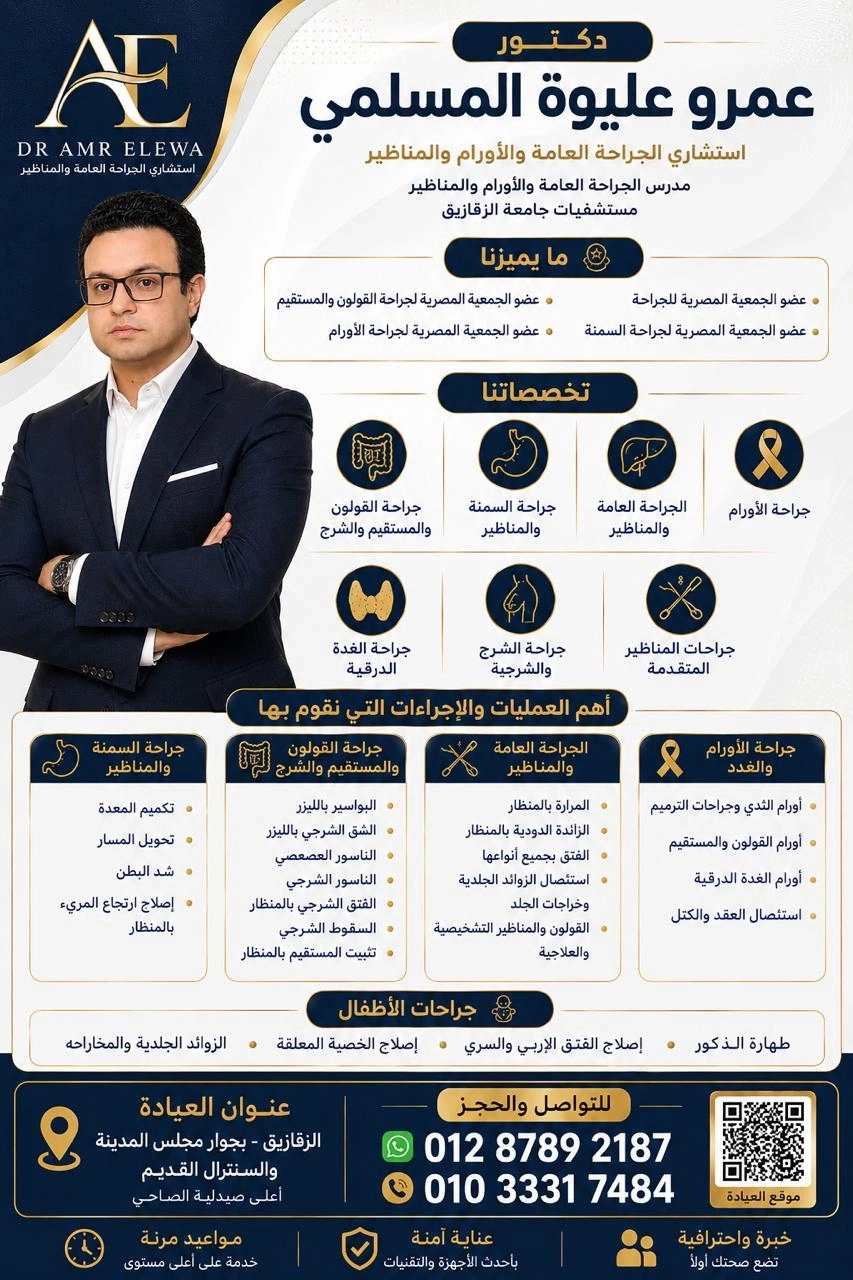
General surgery, surgical oncology and endoscopy are important medical specialties involved in the diagnosis and treatment of a wide range of conditions that may require surgical intervention. These include gallbladder disease, appendicitis, hernias, tumors, thyroid disorders, colorectal conditions and selected pediatric surgical problems.
Advances in surgical techniques have expanded the role of minimally invasive procedures, including laparoscopy, which may offer smaller incisions and a different recovery experience for suitable patients. The appropriate treatment depends on the diagnosis, medical history and individual clinical assessment.
General surgery focuses on the surgical management of various conditions affecting the digestive system, abdominal wall, skin and superficial tissues.
Common procedures include:
Gallbladder removal for selected cases of gallstone disease.
Appendectomy for appendicitis requiring surgery.
Inguinal, umbilical and other hernia repairs.
Removal of skin tags and selected superficial masses.
Surgical drainage or treatment of skin abscesses when indicated.
Depending on the condition, surgery may be performed using an open technique or a minimally invasive approach.
Surgical oncology involves the surgical assessment and treatment of selected tumors and cancers. Treatment planning depends on the tumor type, location, size, stage and results of diagnostic investigations.
Common areas include:
Breast surgery: Assessment and surgical treatment of breast tumors, including reconstruction in selected cases.
Colon and rectal cancer surgery: Surgical management based on tumor location, stage and clinical findings.
Thyroid tumor surgery: Assessment of thyroid nodules and tumors to determine whether surgery is necessary.
Removal of lumps and masses: Surgical removal of selected lesions following medical evaluation.
Some patients may require a multidisciplinary treatment plan involving surgery, oncology and other relevant specialties.
Laparoscopic surgery uses a camera and specialized instruments inserted through small incisions to perform selected operations. For appropriate patients, this approach may reduce incision size and support recovery, although outcomes vary according to the procedure and individual circumstances.
Common laparoscopic procedures include:
Laparoscopic cholecystectomy.
Laparoscopic appendectomy.
Selected laparoscopic hernia repairs.
Certain colorectal operations.
Laparoscopic rectal fixation in selected cases.
Laparoscopic treatment of gastroesophageal reflux when indicated.
The choice between laparoscopic and open surgery depends on the patient's condition, previous operations and the surgeon's clinical assessment.
Bariatric surgery may be considered for eligible patients with obesity when medical criteria are met. A comprehensive assessment helps determine whether surgery is appropriate and which procedure may offer the best balance of benefits and risks.
Common procedures include:
Sleeve gastrectomy: Reduces stomach size by removing a portion of the stomach.
Gastric bypass: Changes the digestive pathway and affects food intake and nutrient absorption.
Preoperative assessment: Evaluates weight, body mass index, medical history and obesity-related conditions.
Abdominoplasty: Removes excess abdominal skin in selected cases, including after significant weight loss.
Long-term follow-up, nutritional guidance and medical monitoring are important components of bariatric care.
Colorectal and anorectal surgery addresses conditions affecting the colon, rectum and anal region. Treatment may involve medication, lifestyle changes, minimally invasive procedures or surgery, depending on the diagnosis and severity.
Common conditions and procedures include:
Hemorrhoids: Treatment may include conservative measures, office-based procedures or surgery; laser treatment may be suitable for selected cases.
Anal fissures: Managed with conservative treatment or surgical intervention when necessary.
Anal fistulas: Treatment depends on the fistula's anatomy and its relationship to the surrounding muscles.
Pilonidal sinus: Surgical treatment may be considered in persistent or recurrent cases.
Rectal prolapse: Assessment may lead to conservative management or surgery, including rectal fixation in selected cases.
Colorectal disorders: Diagnostic and therapeutic investigations may be needed to determine the appropriate treatment.
The thyroid gland is located at the front of the neck and produces hormones that help regulate metabolism. Thyroid nodules, enlargement and tumors may require further investigation, but not every thyroid nodule needs surgery.
Thyroid surgical services may include:
Assessment of thyroid nodules and masses.
Partial or total thyroidectomy when medically indicated.
Surgery for selected thyroid tumors.
Further treatment planning based on investigations and pathology results.
Pediatric surgery includes procedures for selected congenital and acquired conditions in children. Treatment decisions depend on the child's age, diagnosis and general health.
Common procedures include:
Male circumcision.
Inguinal and umbilical hernia repair.
Surgery for undescended testicles.
Removal of selected superficial skin lesions and masses.
Pediatric procedures require age-appropriate assessment and planning to determine the safest and most suitable approach.
Choosing a qualified surgical specialist helps patients understand their diagnosis, available treatment options and the potential benefits and risks of surgery. A clinical assessment is essential to determine whether conservative treatment, further investigations or an operation is appropriate.
Dr. Amr Aliwa El-Moslemy is a consultant in general surgery, surgical oncology and endoscopy, and a lecturer in these specialties at Zagazig University Hospitals. His professional memberships include the Egyptian Society of Surgery, the Egyptian Society of Colon and Rectal Surgery, the Egyptian Society of Bariatric Surgery and the Egyptian Society of Surgical Oncology.
Consultation locations are available in Zagazig, Cairo, Qanayat and Hehia, subject to appointment availability.