
Published on: 2026-10-15 | Written by: Dr. Hatem Ajur, PhD in Ophthalmology
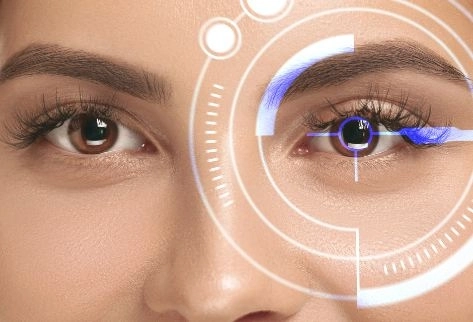
Vision correction surgeries are medical procedures designed to improve eyesight and reduce dependence on prescription glasses and contact lenses. Modern techniques are used to treat refractive errors such as myopia, hyperopia, and astigmatism. The choice of the appropriate procedure depends on the condition of the eye, the degree of refractive error, corneal thickness, and the patient’s overall eye health, following a comprehensive eye examination and an assessment of suitability for surgery.
What Are Vision Correction Surgeries?
Vision correction surgeries are a group of procedures that aim to modify how light is refracted inside the eye so that images focus correctly on the retina, helping improve visual clarity. The technique used varies according to the type and degree of refractive error, corneal characteristics, and each patient’s needs.
These procedures include several techniques, such as LASIK, Femto-LASIK, and Femto-SMILE. The ophthalmologist determines the most suitable option after measuring visual acuity, examining the cornea, and confirming that the patient is an appropriate candidate.
The Most Common Types of Vision Correction Surgeries
Several techniques are available to correct refractive errors. The choice depends on medical examination results, the degree of refractive error, and the condition of the cornea.
1. LASIK Surgery
LASIK is one of the most common vision correction procedures. It uses laser technology to reshape the cornea and improve the way light focuses on the retina. It can help treat myopia, hyperopia, and astigmatism, reducing the need for prescription glasses or contact lenses.
2. Femto-LASIK Surgery
Femto-LASIK uses a femtosecond laser to create a thin flap in the cornea, followed by another laser to correct the refractive error. The suitability of this technique is determined according to corneal measurements, the degree of refractive error, and the required examinations.
3. Femto-SMILE Surgery
Femto-SMILE is a vision correction technique that uses a femtosecond laser to remove a small piece of corneal tissue through a tiny incision. It is primarily used to treat myopia and certain cases of astigmatism, depending on whether the patient meets the requirements for this technique.
4. Photorefractive Keratectomy (PRK)
PRK is an alternative for some patients who are not suitable candidates for LASIK. The procedure involves treating the surface layer of the cornea and then using a laser to reshape it. Recovery usually takes longer than with LASIK, and the ophthalmologist determines whether this procedure is appropriate for each patient.
Which Vision Problems Can Be Treated with Refractive Surgery?
Vision correction procedures can help treat several refractive errors, including:
Myopia (nearsightedness): Difficulty seeing distant objects clearly while nearby objects may appear clearer.
Hyperopia (farsightedness): Difficulty seeing nearby objects clearly in some cases. Distance vision may also be affected, depending on the degree of hyperopia.
Astigmatism: Caused by an irregular curvature of the cornea or lens, which may result in blurred vision or unclear details.
Dependence on prescription glasses: Surgery may reduce the need for glasses or contact lenses during daily activities, although results vary from one patient to another.
It is important to understand that vision correction surgery does not treat every eye condition. For example, LASIK does not directly treat age-related presbyopia, which affects near vision as people get older.
Who Is a Suitable Candidate for Vision Correction Surgery?
Vision correction surgery is not suitable for everyone, so a comprehensive eye examination is essential before making a decision. Factors that help determine suitability include:
Being above the appropriate minimum age for the procedure.
Having a stable prescription without significant changes during the preceding period.
Having a healthy cornea with sufficient thickness for the selected technique.
Not having eye conditions that may increase surgical risks.
Assessing dry eye, general health, and medications currently being used.
Having realistic expectations about the results.
Some techniques may not be suitable for people with keratoconus, severe dry eye, or certain corneal diseases. Cataracts, glaucoma, and some other medical conditions may also affect the treatment decision. A specialist examination remains the primary way to determine the most appropriate option.
Examinations Required Before Vision Correction Surgery
Preoperative examinations are among the most important steps in preparing for surgery because they help determine the appropriate technique and reduce the likelihood of complications.
The examinations may include:
Measuring visual acuity and determining the degree of myopia, hyperopia, or astigmatism.
Measuring corneal thickness and examining its shape and curvature.
Examining the surface of the eye and assessing dryness or inflammation.
Confirming that the prescription is stable.
Examining overall eye health, including the internal structures when necessary.
Reviewing the patient’s medical history and current medications.
The ophthalmologist may ask the patient to stop wearing contact lenses for a certain period before some examinations because contact lenses can affect the shape and measurements of the cornea. The required period varies according to the type of lenses and the condition of the eye.
How Is Vision Correction Surgery Performed?
The steps vary depending on the technique used, but laser vision correction is generally performed after the necessary examinations have been completed and the appropriate measurements have been determined.
Local anesthesia: Anesthetic eye drops are used to numb the surface of the eye and minimize discomfort during the procedure.
Preparing the eye: The eyelids are gently held open to keep the eye open during surgery.
Reshaping the cornea: The ophthalmologist uses the appropriate technique to reshape the cornea according to the measurements recorded before surgery.
Completing the procedure: The final steps depend on the type of surgery. The patient then receives instructions on how to care for the eyes.
Medical follow-up: The patient attends scheduled appointments to examine the eyes, monitor visual improvement, and ensure appropriate recovery.
Are Vision Correction Surgeries Painful?
Common laser vision correction procedures are performed using local anesthetic eye drops, so most patients do not experience significant pain during the procedure. However, they may feel slight pressure or temporary discomfort.
After surgery, patients may experience burning, tearing, a foreign-body sensation in the eye, light sensitivity, or temporary blurred vision.
Symptoms and recovery time vary depending on the technique used and the condition of the eyes. Patients should follow the ophthalmologist’s instructions, use prescribed eye drops, and avoid rubbing their eyes. Severe pain, worsening vision, or increasing symptoms require urgent medical attention.
Recovery After Vision Correction Surgery
Recovery time varies from one patient to another according to the type of procedure and the eye’s response. Some patients notice improved vision within a short period, while others need more time for their vision to stabilize fully.
To support safe recovery, patients are advised to:
Use eye drops according to the ophthalmologist’s instructions.
Avoid rubbing or putting pressure on the eyes.
Attend all scheduled follow-up appointments.
Avoid swimming and strenuous sports until the ophthalmologist approves resuming these activities.
Avoid using cosmetics around the eyes until medically cleared.
Avoid driving until vision is adequate and safe and the ophthalmologist has approved it.
Contact the ophthalmologist if unusual or worsening symptoms occur.
The timing of a return to work or daily activities should not be based on another person’s experience, as recovery varies according to the technique and the individual patient’s condition.
What Are the Benefits of Vision Correction Surgery?
Potential benefits of vision correction surgery include:
Reducing dependence on prescription glasses and contact lenses.
Improving visual clarity during daily activities.
Providing greater convenience when participating in certain sports.
Reducing contact lens-related problems for some people.
Offering several techniques that may suit different patients, depending on medical examination results.
However, surgery does not guarantee complete freedom from glasses in every case. Some people may still need glasses for specific activities or as they get older.
What Are the Risks of Vision Correction Surgery?
Like any surgical procedure, vision correction surgery may involve side effects and complications, although many patients experience improved vision after surgery.
Potential risks include:
Dry eye.
Halos around lights or increased glare, particularly at night.
Blurred or fluctuating vision during recovery.
Under-correction or over-correction of the refractive error.
Infection or problems with corneal healing.
Persistent visual symptoms in some patients, with more serious complications occurring rarely.
Careful examinations, selecting appropriate candidates, and following postoperative instructions help manage risks. However, no procedure can guarantee a perfect result or eliminate all possible complications.
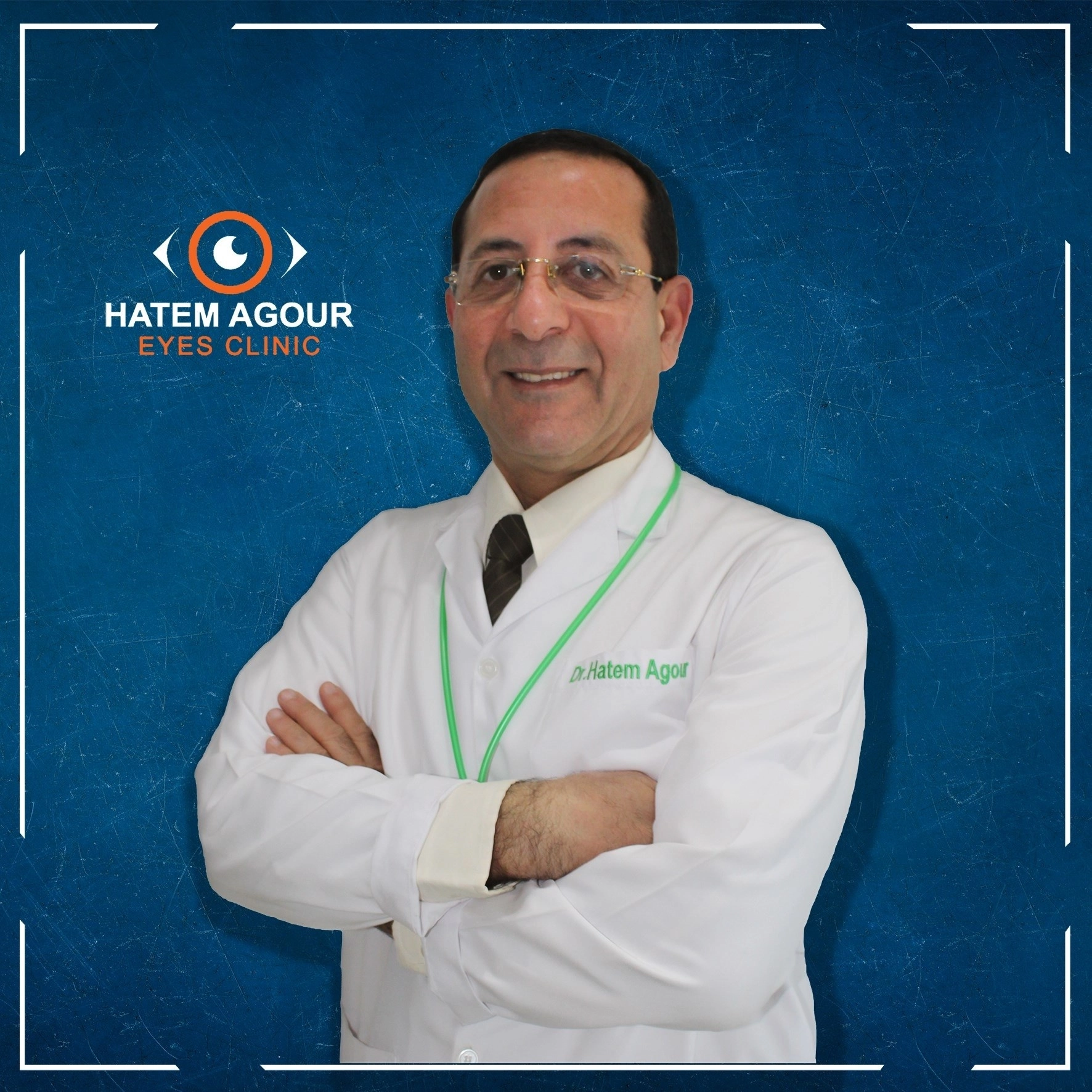
Vision Correction Surgery with Major General Professor Dr. Hatem Abdel Halim Agour
Major General Professor Dr. Hatem Abdel Halim Agour is a consultant in ophthalmology, vision correction, and eyelid cosmetic surgery. He holds a PhD in Ophthalmology and Eye Surgery from Alexandria University. He previously served as a lecturer of Ophthalmology and Eye Surgery at the Military Medical Academy and as a consultant and head of the Ophthalmology Department at an Armed Forces Hospital.
Major General Professor Dr. Hatem Abdel Halim Agour provides services related to refractive error correction using several techniques, including LASIK, Femto-LASIK, and Femto-SMILE. The appropriate technique is determined according to the condition of the eye, examination results, and the patient’s suitability for each procedure.
His professional affiliations include membership in the American Society of Eye Surgery and the European Society of Cataract and Refractive Surgeons. His services also include cataract surgery using ultrasound technology and the Japanese AKAHOSHE technique.
Can I Get Rid of Glasses Completely After Vision Correction Surgery?
Surgery can significantly reduce the need for glasses in many suitable patients. However, complete independence from glasses is not guaranteed in every case. Some people may still need reading glasses as they get older or glasses for certain activities.
What Is the Difference Between LASIK and Femto-LASIK?
Both techniques use lasers to correct the shape of the cornea, but they differ in the technology used to create the corneal flap. The ophthalmologist determines the most appropriate option based on eye measurements and corneal characteristics.
Is Femto-SMILE Suitable for Everyone?
No. This technique has specific eligibility criteria. Its suitability depends on the degree of myopia and astigmatism, the condition of the cornea, and the results of the medical examinations.
When Does Vision Improve After Surgery?
Some patients begin to notice improvement within a short time, but visual stabilization and complete recovery vary according to the procedure and the eye’s response. Medical follow-up remains essential.
Can Vision Correction Surgery Be Performed in Patients with Dry Eye?
Dry eye may affect the suitability and results of surgery, particularly when it is severe. The ophthalmologist needs to evaluate the condition and treat the dryness when necessary before deciding whether to proceed.
Conclusion
Vision correction surgeries can improve eyesight and reduce dependence on glasses and contact lenses in suitable patients. Available techniques include LASIK, Femto-LASIK, Femto-SMILE, and PRK.
A comprehensive eye examination, selecting the appropriate technique, following medical instructions, and attending postoperative follow-up appointments are among the most important factors in achieving the best possible outcome.