
Published on: 2026-10-01 | Written by: Dr. Muhammad Al-Jahmi Cardiology and Chest
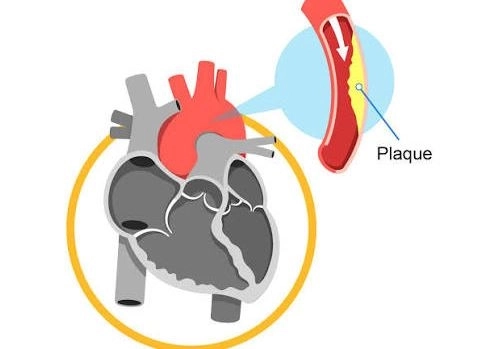
Coronary Artery Disease (CAD) is one of the most prevalent cardiovascular conditions and a leading cause of severe cardiac complications worldwide. The condition is characterized by the narrowing or blockage of the coronary arteries—which supply the heart muscle with blood and oxygen—due to the accumulation of fatty deposits and cholesterol (atherosclerosis). This directly impacts the heart's efficiency and its ability to pump blood throughout the body.
Coronary artery disease develops gradually over many years. It begins with the accumulation of plaque on the inner arterial walls, narrowing the lumen and restricting blood flow to the myocardium.
Dr. Mohamed El-Jahmy clarifies that the underlying causes of coronary insufficiency stem from a combination of genetic factors and an unhealthy lifestyle. The risk of developing the disease increases significantly in the presence of risk factors such as hypertension, uncontrolled diabetes, smoking, and elevated levels of LDL (harmful) cholesterol.
Hypertension and High Cholesterol: Cause damage to the inner lining of the arteries, facilitating fat accumulation.
Diabetes Mellitus: Chronic hyperglycemia damages blood vessels over time.
Smoking: Reduces blood oxygen levels, damages arterial walls, and increases blood clot formation.
Sedentary Lifestyle and Obesity: Increase workload on the heart and accelerate atherosclerosis rates.
In its early stages, CAD may present without noticeable symptoms. However, as arterial narrowing progresses, symptoms become apparent, particularly during physical exertion or emotional stress.
Dr. Mohamed El-Jahmy points out that angina pectoris is the most common symptom, presenting as a feeling of pain, pressure, or heaviness in the center of the chest that may radiate to the left arm, shoulder, jaw, or back, necessitating immediate medical evaluation to prevent myocardial infarction.
Chest Pain or Pressure: Exacerbated by exertion and relieved by rest.
Shortness of Breath (Dyspnea): A sensation of being unable to breathe normally.
Severe Fatigue and Sudden Exhaustion: Triggered by minimal physical effort.
Palpitations and Rapid Heartbeat: Or irregular heart rhythms.
Acute Heart Attack Symptoms: Such as sudden, severe chest pain accompanied by cold sweats and nausea.
Diagnosing coronary insufficiency requires high precision to determine the extent of vascular blockage and the degree of myocardial involvement.
Dr. Mohamed El-Jahmy advises on the importance of early routine screening for high-risk patients, emphasizing that modern non-invasive technologies—such as multidetector CT angiography and diagnostic cardiac catheterization—allow for precise, painless assessment of the coronary arteries.
Electrocardiogram (ECG): Records the electrical activity of the heart to detect signs of ischemia or prior infarction.
Stress Test (Exercise ECG): Evaluates arterial performance while increasing the heart's workload.
Echocardiogram: Assesses heart wall motion and valvular function using ultrasound waves.
CT Coronary Angiography: Provides non-invasive, contrast-enhanced imaging of the coronary arteries.
Diagnostic Cardiac Catheterization: The gold standard for identifying the exact location and severity of coronary blockages.
Therapeutic strategies vary depending on the severity and location of the occlusion, ranging from medical management to interventional or surgical procedures.
Dr. Mohamed El-Jahmy stresses that the management of CAD has advanced significantly through the deployment of modern Drug-Eluting Stents (DES) via therapeutic catheterization. This opens blocked arteries and restores effective blood flow without requiring open-heart surgery in many cases.
Pharmacotherapy: Utilizing antiplatelets, anticoagulants, cholesterol-lowering medications (statins), and blood pressure regulators.
Percutaneous Coronary Intervention (PCI) with Stenting: Reopening the obstructed artery using balloon angioplasty and placing a drug-eluting stent to prevent restenosis.
Coronary Artery Bypass Grafting (CABG): Rerouting blood flow by grafting healthy blood vessels to bypass severe, multi-vessel blockages.
Complete Cessation of Smoking: To prevent damage to vascular linings and reduce clot risk.
Adopt a Heart-Healthy Diet: Rich in vegetables, fruits, dietary fiber, and fish, while limiting saturated fats and sodium.
Engage in Regular Exercise: Such as walking for 30 minutes daily to strengthen the heart muscle and enhance circulation.
Strict Control of Chronic Conditions: Consistently monitoring and managing blood glucose, blood pressure, and lipid levels.
Maintain Regular Follow-Ups with a Specialist:
Dr. Mohamed El-Jahmy emphasizes in his concluding advice that symptom awareness and early diagnosis of coronary artery disease are the cornerstone to avoiding acute cardiac events and preserving heart function for a healthy, active life.