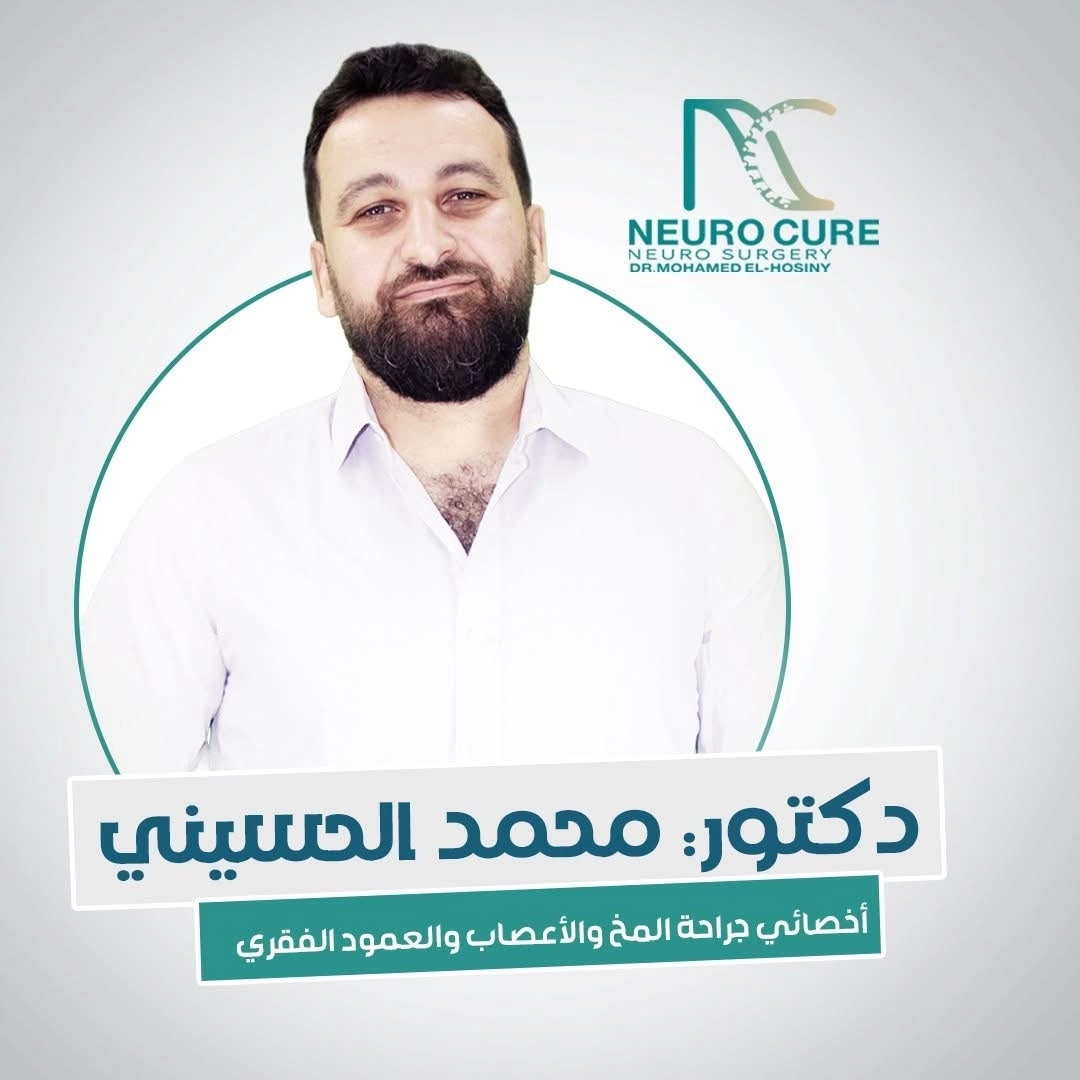

Published on: 2026-09-22 | Written by: Dr. Mohamed El-Hosseini Specialist in Neurosurgery
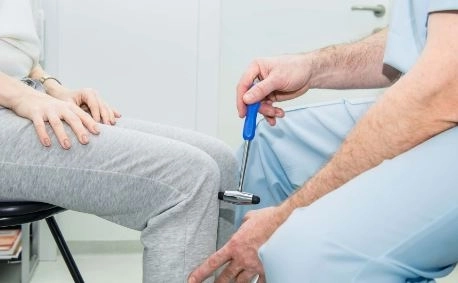
Peripheral nerves serve as a vital communication network connecting the brain and spinal cord to the rest of the body, responsible for transmitting sensory and motor signals. When these nerves suffer from injury or continuous compression due to accidents or chronic conditions, the patient's functionality is significantly impacted. This is where peripheral nerve surgery comes in as a specialized medical and surgical intervention to repair and decompress damaged nerves, restoring natural limb functions.
1. What is Peripheral Nerve Surgery and When is it Needed?
Peripheral nerve surgery aims to treat deformities, injuries, and compressions affecting nerves outside the central nervous system (the brain and spinal cord).
Dr. Mohamed El-Husseini clarifies that surgical intervention is not always the first option; rather, physicians resort to it in cases of complete nerve transection, lack of patient response to medical treatment and physical therapy, or severe compression leading to muscle atrophy and progressive loss of sensation.
Key Conditions Treated by Peripheral Nerve Surgery:
Tarsal Tunnel and Carpal Tunnel Syndrome: Where the median nerve in the hand or the tibial nerve in the ankle is compressed.
Brachial Plexus Injuries: Often resulting from severe trauma and road accidents.
Lacerated Nerves from Cut Wounds: Caused by sharp objects or mechanical accidents.
Benign Nerve Tumors (Schwannomas & Neurofibromas): Which require precise excision without damaging vital nerve fibers.
2. Modern Surgical Techniques and Approaches
Peripheral nerve surgery has witnessed significant advancement thanks to precise technology such as microsurgery and intraoperative neurophysiological monitoring.
Dr. Mohamed El-Husseini points out that utilizing surgical operating microscopes and sutures thinner than a human hair has greatly contributed to increasing the success rates of nerve reconnection and grafting procedures, minimizing scar tissue that could hinder new nerve growth.
Prominent Techniques Used:
Nerve Decompression: Releasing the compressed nerve from surrounding tissues and ligaments to relieve pressure and restore blood supply.
Direct Primary Repair: Suturing the two ends of a severed nerve with extreme precision when dealing with a fresh wound.
Nerve Grafting: Transferring a segment of a secondary sensory nerve to bridge the gap between the two ends of a damaged primary nerve.
Nerve Transfers: Redirecting fibers from a healthy adjacent nerve to supply the muscles of the injured nerve when direct repair is difficult.
3. Symptoms Indicating the Need for a Specialist Consultation
Neurological symptoms in the extremities should not be ignored, as delayed treatment can lead to permanent damage to nerve fibers.
Dr. Mohamed El-Husseini advises seeking an immediate medical evaluation upon noticing any of the following symptoms:
Persistent numbness, tingling, or loss of sensation in the hands or feet.
Noticeable weakness in hand grip or difficulty lifting/moving the leg.
Sharp, severe pains resembling electric shocks in the extremities.
Clear atrophy in the muscle mass surrounding the affected nerve.
4. Rehabilitation and Physical Therapy After Peripheral Nerve Surgery
The post-operative phase complements the success of the surgical intervention, as nerves regenerate at a very slow rate estimated at approximately 1 millimeter per day.
Dr. Mohamed El-Husseini stresses that adhering to a tailored rehabilitation program under medical supervision helps stimulate muscles, prevent joint stiffness, and accelerate the brain's retraining process to receive signals from the repaired nerve.
5. Golden Rules for Maintaining Peripheral Nerve Health
Strict Blood Sugar Control: To prevent severe diabetic neuropathy.
Avoiding Poor Postures: Such as placing prolonged pressure on the elbow or knee during work or sleep.
Balanced Nutrition: Ensuring a diet rich in Vitamin B complex (B1, B6, B12).
Early Intervention:
Dr. Mohamed El-Husseini emphasizes in his concluding advice that early diagnosis and prompt initiation of an appropriate treatment plan raise the chances of complete recovery, sparing the patient long-term hardship and mobility limitations.