
Published on: 2026-08-13 | Written by: Dr. Abdul Khaliq Zalbani Orthopedic Surgery
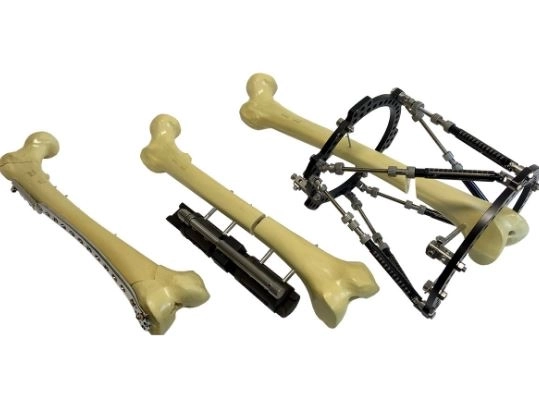
What Are Bone Deformity Correction and Joint Reconstruction?
Dr. Abdel Khalek El-Zalbany explains that bone deformity correction and joint reconstruction are specialized areas of orthopedic surgery that aim to correct deformities and abnormalities affecting the shape or function of a limb and to restore or improve the function of a damaged joint caused by injuries, osteoarthritis, or structural problems, with the treatment plan potentially including non-surgical approaches or surgical procedures such as bone realignment, joint reconstruction, or joint replacement depending on each patient's condition.
Causes of Bone Deformities
Dr. Abdel Khalek El-Zalbany emphasizes that bone deformities may result from congenital abnormalities, previous fractures that healed incorrectly, diseases affecting bone growth, or degenerative changes affecting the joints, and these conditions may lead to differences in limb length, changes in the alignment of the leg, altered joint structure, or difficulty with movement, making treatment dependent on identifying the cause and severity of the deformity and its effect on limb function.
Symptoms of Bone and Joint Deformities
Dr. Abdel Khalek El-Zalbany confirms that bone and joint deformities may cause persistent or recurring pain, difficulty moving, joint instability, changes in walking patterns, or visible deviation of the limb, while some deformities may increase pressure on certain areas of the joint over time, making early evaluation important for determining the impact of the deformity on movement and joint function.
Diagnosis of Bone Deformities
Dr. Abdel Khalek El-Zalbany warns that diagnosing bone deformities requires a detailed clinical examination, assessment of limb alignment, range of motion, and muscle strength, and the physician may request X-rays, CT scans, or other imaging studies to determine bone structure, the degree of deformity, and its relationship to the joint, because accurate treatment planning depends on understanding the anatomical and functional details of the condition.
Correction of Bone Alignment
Dr. Abdel Khalek El-Zalbany explains that bone alignment correction may involve surgical procedures designed to restore the bone to a more appropriate alignment and improve load distribution across the limb and joint, including osteotomy, in which the bone is surgically cut and repositioned into the desired alignment, with the type of procedure and degree of correction determined according to the patient's condition.
Joint Reconstruction
Dr. Abdel Khalek El-Zalbany emphasizes that joint reconstruction aims to restore as much joint function as possible when the joint has been damaged by injury, degeneration, or structural abnormalities, and procedures may include repairing or reconstructing tissues surrounding the joint or replacing the joint in cases of severe damage, with the appropriate technique selected according to the affected joint, degree of damage, and patient's overall health.
Joint Replacement Surgery
Dr. Abdel Khalek El-Zalbany confirms that joint replacement surgery may be an appropriate treatment option for some patients who have severe joint damage accompanied by significant pain or restricted movement and who have not achieved sufficient improvement with non-surgical treatments, and replacement may involve the knee, hip, or other joints depending on the condition, with joint replacement potentially helping reduce pain, correct certain deformities, and improve the ability to perform daily activities.
Knee Joint Reconstruction
Dr. Abdel Khalek El-Zalbany warns that knee joint reconstruction requires accurately identifying the underlying cause of joint damage, which may be associated with advanced osteoarthritis, previous injury, or abnormal limb alignment, and treatment may involve deformity correction, repair of specific joint structures, or joint replacement in advanced cases, with the treatment plan based on clinical examination, imaging findings, and the extent to which the condition affects the patient's daily life.
Correction of Knee Deformities
Dr. Abdel Khalek El-Zalbany explains that knee deformities, such as inward or outward deviation, may affect the distribution of loads within the joint, and bone realignment surgery may be appropriate for certain cases to correct the mechanical axis and improve limb mechanics, while patients with severe joint damage may require other options such as joint replacement, with the decision based on the severity of the deformity and the condition of the cartilage and bones.
Treatment of Deformities Caused by Previous Fractures
Dr. Abdel Khalek El-Zalbany emphasizes that deformities caused by previous fractures may occur when a bone heals in an incorrect position, potentially resulting in deviation, shortening, or altered limb alignment, and in some cases the problem can be corrected through realignment surgery, osteotomy, or appropriate fixation techniques, with the procedure selected according to the location and severity of the deformity and its functional impact.
The Importance of Preoperative Planning
Dr. Abdel Khalek El-Zalbany confirms that careful preoperative planning for bone deformity correction and joint reconstruction helps determine the type of surgery, the required degree of correction, and the appropriate method for stabilizing the bone or reconstructing the joint, and planning may require detailed imaging and precise measurements of the limb and joint, because anatomical differences from one patient to another require an individualized treatment plan.
Physical Therapy After Surgery
Dr. Abdel Khalek El-Zalbany warns that physical therapy and rehabilitation are important parts of recovery after many bone deformity correction and joint reconstruction procedures, with the medical team determining when movement, weight-bearing, and specific exercises should begin according to the type of surgery, bone healing, and joint stability, while following the rehabilitation program can help gradually restore movement, strength, and functional ability.
When Does a Patient Need Bone Deformity Correction Surgery?
Dr. Abdel Khalek El-Zalbany explains that the need for bone deformity correction surgery depends not only on the appearance of the deformity but also on its severity, associated pain, impact on movement and limb function, and the condition of the joint and bones, making individual assessment essential to determine whether conservative treatment is sufficient or whether surgery may provide better functional improvement.
Conclusion
Dr. Abdel Khalek El-Zalbany emphasizes that bone deformity correction and joint reconstruction aim to improve bone alignment and joint function, reduce pain, and enhance mobility in appropriate cases, while successful treatment depends on accurate diagnosis, identifying the cause and severity of the deformity, selecting the appropriate procedure, and following postoperative care and rehabilitation, making specialist orthopedic evaluation essential before determining the most suitable treatment.