Published on: 2026-07-20 | Written by: Dr. Ashraf Yahya, Gastroenterology and Liver Consultant
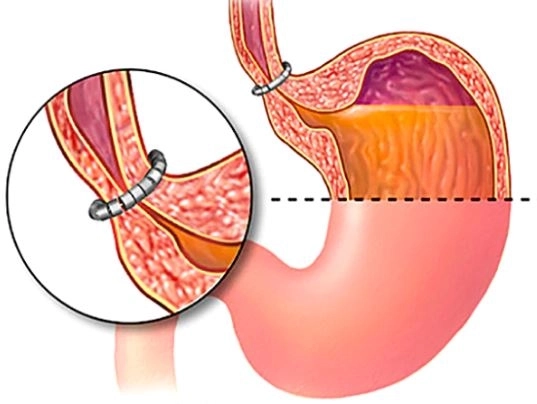
Gastroesophageal Reflux Disease (GERD) is one of the most common digestive system disorders. It occurs when stomach acid frequently flows back into the esophagus due to weakness or relaxation of the lower esophageal sphincter (LES). This acid reflux irritates the lining of the esophagus, causing uncomfortable symptoms that can significantly affect a person's quality of life if left untreated. Early diagnosis and an appropriate treatment plan play a vital role in controlling symptoms, preventing complications, and maintaining a healthy digestive system.
What Is Gastroesophageal Reflux Disease (GERD)?
Dr. Ashraf Yehia explains that Gastroesophageal Reflux Disease (GERD) is a condition in which stomach acid repeatedly flows back into the esophagus, irritating its lining and causing symptoms such as heartburn, a sour or acidic taste in the mouth, difficulty swallowing, chest discomfort in some cases, chronic cough, and hoarseness of the voice. A comprehensive medical evaluation is essential to determine the underlying cause of these symptoms and develop the most appropriate treatment plan.
Causes of GERD
Dr. Ashraf Yehia emphasizes that several factors can increase the risk of developing GERD, including obesity, frequent consumption of fatty or spicy foods, smoking, pregnancy, hiatal hernia, eating large meals before bedtime, and certain medications that affect the function of the lower esophageal sphincter. Identifying these risk factors is important because it helps guide effective treatment and long-term symptom control.
Diagnosis of GERD
Dr. Ashraf Yehia confirms that the diagnosis of GERD is based on a detailed medical history, physical examination, and careful assessment of the patient's symptoms. In some cases, additional diagnostic tests may be recommended, including upper gastrointestinal endoscopy, 24-hour esophageal pH monitoring, or esophageal motility studies, to confirm the diagnosis and rule out other conditions that may produce similar symptoms.
Treatment of GERD
Dr. Ashraf Yehia points out that the treatment of GERD depends on the severity of the condition and usually includes lifestyle modifications, adopting a healthy diet, losing excess weight when necessary, avoiding foods and beverages that trigger symptoms, and using medications that reduce stomach acid production or improve digestive motility as prescribed by the physician. In more advanced or persistent cases, endoscopic procedures or anti-reflux surgery may be considered when conservative treatment does not provide adequate symptom relief.
Tips for Preventing GERD
Dr. Ashraf Yehia explains that preventing GERD involves eating smaller, more frequent meals, avoiding lying down immediately after eating, elevating the head of the bed during sleep, limiting caffeine and carbonated beverages, avoiding smoking, and maintaining a healthy body weight. These healthy lifestyle habits can significantly reduce acid reflux episodes and improve digestive comfort.
Complications of Untreated GERD
If GERD is left untreated, it may lead to chronic inflammation of the esophagus (esophagitis), esophageal ulcers, esophageal narrowing (strictures), difficulty swallowing, and long-term changes in the esophageal lining that may increase the risk of more serious conditions. Therefore, proper medical treatment and regular follow-up are essential to protect the esophagus and maintain long-term digestive health.
Tips for Living with GERD
To help control GERD symptoms, it is recommended to:
Eat smaller meals and avoid overeating.
Wait at least two to three hours after eating before lying down or going to bed.
Avoid fatty, spicy, acidic foods, carbonated beverages, and caffeine if they trigger symptoms.
Maintain a healthy weight and engage in regular physical activity.
Follow your prescribed medications and attend regular follow-up appointments with your physician.
Gastroesophageal Reflux Disease (GERD) is a common digestive disorder that can be effectively managed through early diagnosis, appropriate medical treatment, healthy lifestyle changes, a balanced diet, and regular follow-up care. These measures help relieve symptoms, prevent complications, improve quality of life, and support long-term digestive health.