Published on: 2026-07-15 | Written by: Professor Dr. Sameh Ragab, Consultant Neurosurgeon
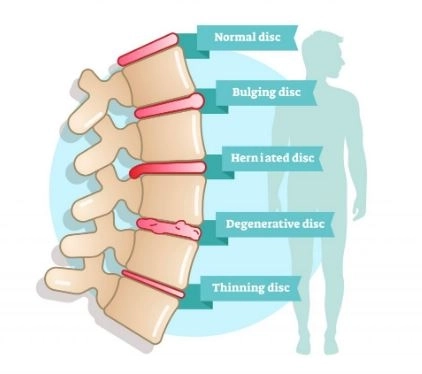
A herniated disc is one of the most common spinal disorders, occurring when part of the intervertebral disc protrudes beyond its normal position and compresses the spinal nerves or spinal cord. This pressure can cause severe pain that radiates to the arms or legs, along with numbness, tingling, muscle weakness, and reduced mobility. These symptoms may significantly affect a person's quality of life and ability to perform daily activities. Fortunately, remarkable advances in diagnostic imaging, conservative treatment, physical therapy, and minimally invasive spine surgery have made it possible to effectively manage most cases while preserving nerve function and promoting faster recovery.
What Is a Herniated Disc?
Dr. Sameh Ragab explains that a herniated disc occurs when the tough outer layer of an intervertebral disc becomes weakened or torn, allowing the soft gel-like inner material to protrude and compress nearby nerves. This compression may result in back or neck pain, numbness, tingling, muscle weakness, and difficulty with movement, with the severity of symptoms depending on the location of the herniation and the degree of nerve compression.
Causes of a Herniated Disc
Dr. Sameh Ragab emphasizes that several factors can contribute to the development of a herniated disc, including age-related disc degeneration, weakened spinal discs, improper heavy lifting, prolonged sitting, obesity, direct trauma, repetitive physical strain, and weak back muscles. Maintaining a healthy lifestyle and practicing proper body mechanics can significantly reduce the risk of developing this condition.
Symptoms of a Herniated Disc
Dr. Sameh Ragab confirms that the symptoms of a herniated disc vary depending on the location of the affected disc, but commonly include severe back or neck pain, pain radiating into the arm or leg, numbness, tingling sensations, muscle weakness, difficulty walking or moving, and in severe cases, loss of bladder or bowel control. These warning signs require immediate medical evaluation to prevent permanent neurological complications.
Treatment Options for a Herniated Disc
Dr. Sameh Ragab points out that the treatment of a herniated disc depends on the severity of the condition and the findings of the clinical examination and imaging studies. Treatment may include anti-inflammatory medications, pain relievers, physical therapy, strengthening exercises, nerve root injections, or minimally invasive microscopic or endoscopic surgery to remove the portion of the disc compressing the nerves when conservative treatment fails or when significant neurological deficits are present.
When Is Surgery Necessary?
Dr. Sameh Ragab explains that herniated disc surgery becomes necessary when severe pain persists despite conservative treatment or when the patient develops progressive muscle weakness, loss of sensation, severe nerve compression, or loss of bladder or bowel control. The primary goal of surgery is to relieve pressure on the affected nerves, preserve neurological function, restore mobility, and improve the patient's quality of life using the latest minimally invasive surgical techniques that minimize tissue damage and shorten recovery time.
Preventing a Herniated Disc
The risk of developing a herniated disc can be reduced by maintaining a healthy body weight, exercising regularly, strengthening the back and abdominal muscles, lifting heavy objects correctly, maintaining proper posture while sitting and standing, and avoiding prolonged periods of inactivity. These healthy habits help protect the spine, reduce stress on the intervertebral discs, and maintain overall spinal health.
Recovery After Herniated Disc Treatment
Recovery depends on the type of treatment received. Patients are encouraged to participate in physical therapy, perform prescribed rehabilitation exercises, avoid excessive physical strain, take medications as directed, and attend regular follow-up appointments to gradually restore mobility, strengthen the spine, and reduce the likelihood of symptom recurrence.
Treating a herniated disc is essential for maintaining spinal health and protecting the nervous system. Early diagnosis, individualized treatment, timely surgical intervention when necessary, and commitment to a structured rehabilitation program play a vital role in relieving pain, restoring mobility, improving quality of life, and minimizing the risk of long-term complications.