

Published on: 2026-06-30 | Written by: Professor Dr. Ahmed El Gendy, Oncology and Liver
Laparoscopic Gallbladder Removal: The Modern Solution for Treating Gallstones Safely and Effectively
Laparoscopic gallbladder removal is one of the most common and successful surgical procedures for treating gallstones and chronic gallbladder inflammation. The operation is performed through several small incisions using advanced laparoscopic instruments, resulting in less pain, faster recovery, and a quicker return to normal daily activities compared with traditional open surgery. Today, laparoscopic cholecystectomy is considered the preferred treatment option for most gallbladder diseases because of its high safety profile and excellent clinical outcomes.
What Is Laparoscopic Gallbladder Removal?
Dr. Ahmed Mohamed El Gendy emphasizes that laparoscopic gallbladder removal is the most effective treatment for patients with symptomatic gallstones or recurrent gallbladder inflammation because it permanently eliminates the source of pain while minimizing surgical trauma, shortening hospital stays, and promoting a faster recovery.
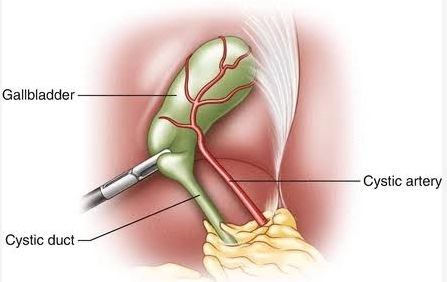
The procedure is performed using a laparoscope and specialized surgical instruments inserted through small abdominal incisions, allowing the gallbladder to be removed without a large surgical cut, thereby reducing complications and providing better cosmetic results.
When Does a Patient Need Laparoscopic Gallbladder Removal?
Dr. Ahmed Mohamed El Gendy explains that the decision to perform laparoscopic gallbladder removal depends on the patient's symptoms and diagnostic findings, and the procedure is recommended for patients with recurrent biliary colic, gallbladder inflammation, or complications affecting the bile ducts or pancreas, as delaying treatment may lead to more serious health problems.
Common indications include:
Symptomatic gallstones.
Acute or chronic cholecystitis.
Bile duct obstruction caused by gallstones.
Gallstone-related pancreatitis.
A poorly functioning gallbladder associated with persistent symptoms.
Symptoms of Gallstones
Dr. Ahmed Mohamed El Gendy confirms that severe pain in the upper right abdomen, particularly after eating fatty meals, accompanied by nausea, vomiting, or abdominal bloating, may indicate the presence of gallstones, making early diagnosis essential to prevent potentially serious complications.
Other symptoms may include:
Pain radiating to the right shoulder or back.
Indigestion.
A feeling of fullness after meals.
Fever when infection is present.
Yellowing of the skin and eyes if bile duct obstruction occurs.
How Is Laparoscopic Gallbladder Removal Performed?
Dr. Ahmed Mohamed El Gendy points out that laparoscopic gallbladder removal is performed under general anesthesia through several small abdominal incisions, allowing the surgeon to insert a laparoscope and specialized instruments to remove the gallbladder safely while protecting the bile ducts and surrounding organs, making the procedure more precise and less painful than conventional open surgery.
The operation usually takes less than one hour in most cases, and many patients can return home within a short period depending on their overall condition.
Advantages of Laparoscopic Gallbladder Removal
Dr. Ahmed Mohamed El Gendy stresses that laparoscopic gallbladder removal offers numerous advantages over open surgery, including less postoperative pain, a lower risk of infection, faster wound healing, a quicker return to normal activities, and superior cosmetic outcomes due to the smaller incisions.
Its major benefits include:
Small surgical incisions.
Less postoperative pain.
Faster recovery.
Lower risk of infection.
Shorter hospital stay.
Quicker return to work and daily activities.
Recovery After Laparoscopic Gallbladder Removal
Most patients are able to walk on the same day as surgery and gradually resume eating according to their physician's recommendations. Heavy physical activity should be avoided during the first few weeks to ensure proper healing and recovery.
Can You Live Normally Without a Gallbladder?
Yes. The liver continues to produce bile after gallbladder removal, but instead of being stored in the gallbladder, bile flows directly into the small intestine. Most patients return to a completely normal lifestyle, although some may need to follow a low-fat diet for a short period while the digestive system adapts.
Important Tips After Laparoscopic Gallbladder Removal
Patients should take all prescribed medications as directed, keep the surgical wounds clean, begin with light low-fat meals, drink plenty of fluids, attend all follow-up appointments, and seek immediate medical attention if they develop fever, severe abdominal pain, jaundice, or unusual wound discharge.