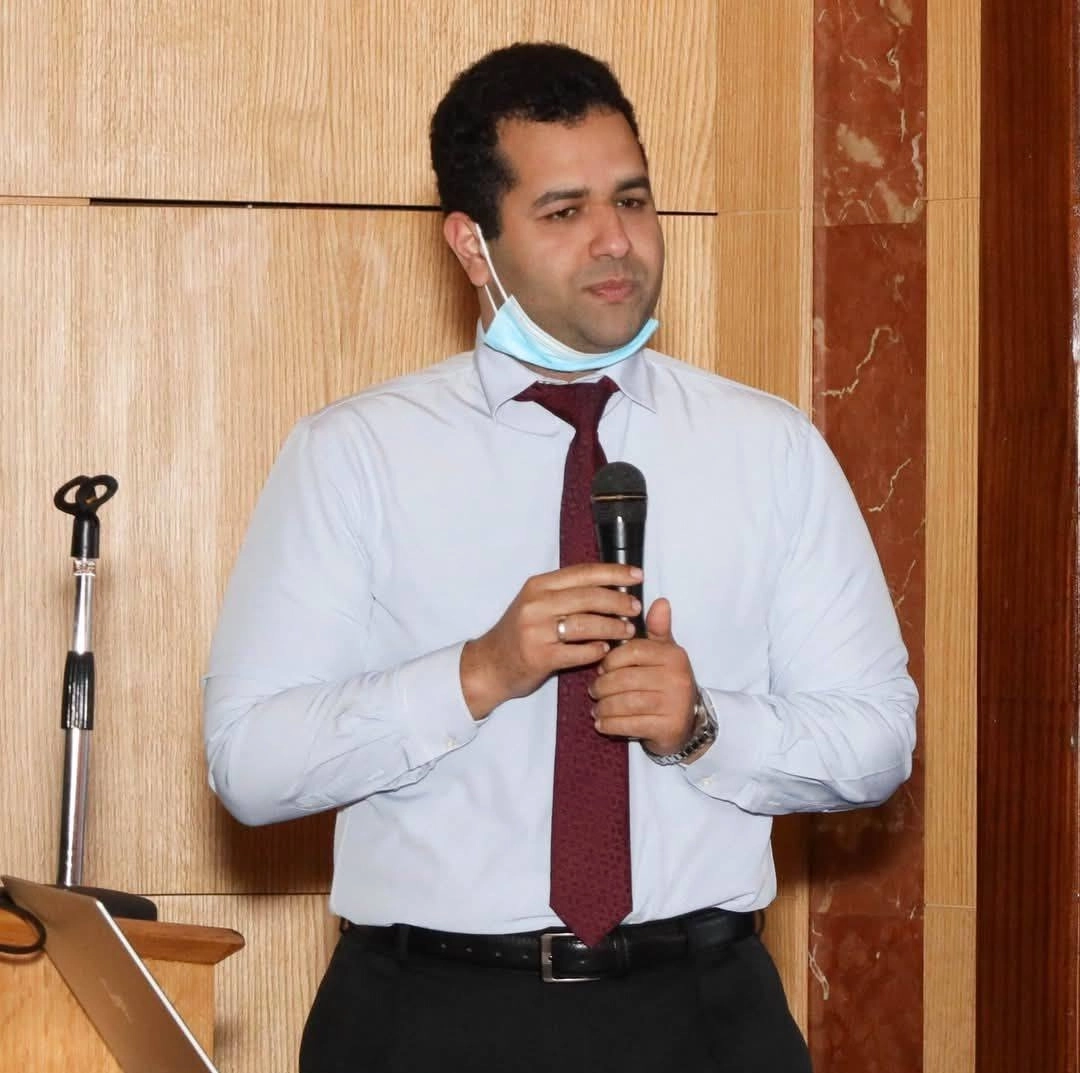

Published on: 2026-06-17 | Written by: Digestive Endoscopy Center Professor Dr Nabil Dweidar
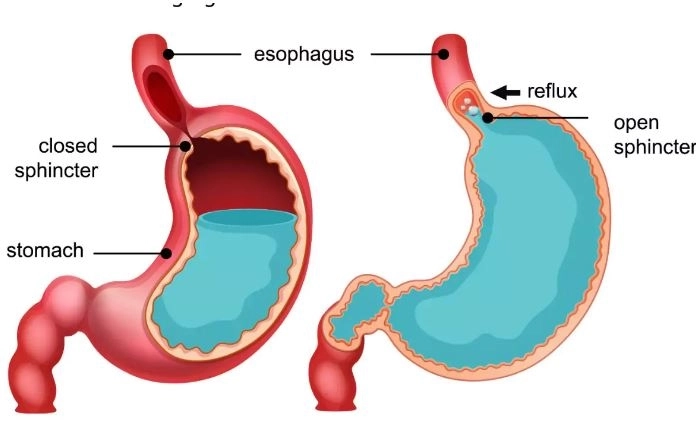
Gastroesophageal reflux disease (GERD) is one of the most common digestive disorders. It occurs when stomach acid frequently flows back into the esophagus, causing irritation of its lining and leading to symptoms such as heartburn, chest pain, and difficulty swallowing.
Professor Dr. Nabil Dweidar, Professor of Gastrointestinal Surgery and Endoscopy at the Medical Research Institute, Alexandria University, emphasizes that early diagnosis of GERD significantly helps prevent complications and improves the patient’s quality of life.
ــــــــــــــــــــــــــــــــــــــــــــــــــــــــــــــــــــــــــــــــــــــــــــــ
GERD is a medical condition that occurs due to weakness of the lower esophageal sphincter, allowing stomach acid to move upward into the esophagus.
Dr. Nabil Dweidar explains that the condition may begin mildly but can worsen over time if not properly treated, potentially affecting the esophagus in the long term.
ــــــــــــــــــــــــــــــــــــــــــــــــــــــــــــــــــــــــــــــــــــــــــــــ
Several factors can contribute to GERD, including:
Weakness of the lower esophageal sphincter
Obesity and overweight
Eating heavy meals before bedtime
Smoking
Excessive consumption of caffeine and carbonated drinks
Pregnancy
Certain medications that relax the esophageal sphincter
Hiatal hernia
Dr. Nabil Dweidar confirms that an unhealthy lifestyle is one of the main contributors to worsening symptoms.
ــــــــــــــــــــــــــــــــــــــــــــــــــــــــــــــــــــــــــــــــــــــــــــــ
Symptoms vary from person to person and may include:
Severe heartburn
Regurgitation of food or liquids into the mouth
Difficulty swallowing
Chest pain
Chronic cough or hoarseness
Recurrent sore throat
Bitter taste in the mouth
Dr. Nabil Dweidar emphasizes that persistent symptoms require medical evaluation to avoid complications.
ــــــــــــــــــــــــــــــــــــــــــــــــــــــــــــــــــــــــــــــــــــــــــــــ
If left untreated, GERD may lead to serious complications, such as:
Chronic esophagitis
Esophageal ulcers
Esophageal narrowing and swallowing difficulties
Barrett’s esophagus
Increased risk of esophageal cancer in advanced cases
Dr. Nabil Dweidar stresses that early control of the disease prevents these complications.
ــــــــــــــــــــــــــــــــــــــــــــــــــــــــــــــــــــــــــــــــــــــــــــــ
Diagnosis includes several steps:
Clinical examination and medical history
Trial of medication and monitoring response
Upper endoscopy
Esophageal pH monitoring
Imaging studies in some cases
Dr. Nabil Dweidar explains that endoscopy is one of the most accurate tools for assessing esophageal damage.
ــــــــــــــــــــــــــــــــــــــــــــــــــــــــــــــــــــــــــــــــــــــــــــــ
Treatment depends on severity and includes:
Weight loss
Avoiding fatty and spicy foods
Not lying down immediately after meals
Elevating the head during sleep
Reducing caffeine intake and quitting smoking
Acid-suppressing drugs (proton pump inhibitors)
Medications that improve digestive motility
In severe or resistant cases, surgical or advanced endoscopic interventions may be required.
Dr. Nabil Dweidar emphasizes that selecting the appropriate treatment depends on a comprehensive evaluation of the patient’s condition and symptom severity.
ــــــــــــــــــــــــــــــــــــــــــــــــــــــــــــــــــــــــــــــــــــــــــــــ
Eat smaller, more frequent meals
Avoid eating 2–3 hours before bedtime
Maintain a healthy weight
Quit smoking
Limit foods that trigger symptoms
ــــــــــــــــــــــــــــــــــــــــــــــــــــــــــــــــــــــــــــــــــــــــــــــ
Medical consultation is recommended when heartburn, chest pain, or difficulty swallowing persists or worsens over time.
In conclusion, Professor Dr. Nabil Dweidar confirms that GERD is a highly manageable condition when diagnosed early and treated properly. Following medical advice and adopting a healthy lifestyle significantly reduces symptoms and improves quality of life.