
Published on: 2026-06-17 | Written by: Dr. Ahmed Abdel Mardi, Lecturer of Neurology
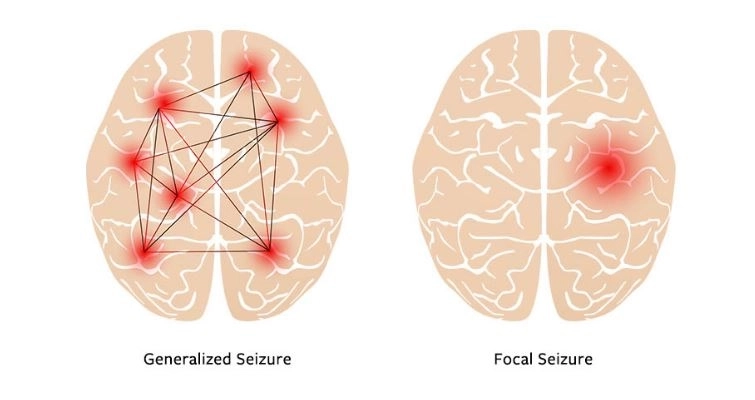
Seizures and epilepsy are common neurological disorders that can affect people of all ages. They occur as a result of temporary or recurrent disturbances in the brain's electrical activity.
Although many people believe that every seizure means a person has epilepsy, medical evidence confirms that there is a clear distinction between the two conditions.
Dr. Ahmed Abdel Mardy emphasizes that a seizure may occur only once due to temporary factors, whereas epilepsy is diagnosed when seizures recur without an identifiable temporary cause, requiring careful medical evaluation and an appropriate treatment plan.
ــــــــــــــــــــــــــــــــــــــــــــــــــــــــــــــــــــــــــــــــــــــــــــــ
A seizure is a sudden episode caused by abnormal electrical activity in the brain. It may result in involuntary movements, temporary loss of consciousness, or changes in sensation and behavior.
Epilepsy, on the other hand, is a chronic neurological disorder characterized by recurrent, unprovoked seizures.
Dr. Ahmed Abdel Mardy explains that experiencing a single seizure does not necessarily mean that a person has epilepsy. A thorough clinical evaluation and appropriate investigations are essential to determine the underlying cause.
ــــــــــــــــــــــــــــــــــــــــــــــــــــــــــــــــــــــــــــــــــــــــــــــ
The causes vary from person to person and may include:
Genetic factors
High fever in children
Head injuries and trauma
Stroke
Brain and meningeal infections
Brain tumors
Electrolyte imbalances and blood sugar disorders
Lack of oxygen during birth
Certain medications or substance abuse
Neurodevelopmental disorders
Dr. Ahmed Abdel Mardy confirms that identifying the underlying cause of seizures plays a major role in selecting the most appropriate treatment and reducing the risk of recurrence.
ــــــــــــــــــــــــــــــــــــــــــــــــــــــــــــــــــــــــــــــــــــــــــــــ
Seizures are classified into several types, including:
These begin in a specific area of the brain and may cause changes in sensation, movement, or awareness.
These involve both sides of the brain and are often associated with loss of consciousness, muscle stiffness, and repetitive jerking movements.
Commonly seen in children, these seizures involve brief episodes of impaired awareness lasting only a few seconds.
These cause sudden, brief jerking movements of the arms or legs.
ــــــــــــــــــــــــــــــــــــــــــــــــــــــــــــــــــــــــــــــــــــــــــــــ
Symptoms vary depending on the type and severity of the seizure and may include:
Temporary loss of consciousness
Involuntary muscle movements or convulsions
Staring spells
Confusion after the seizure
Loss of bladder or bowel control in some cases
Sudden feelings of fear or anxiety
Unusual sensations, smells, or tingling before a seizure
Dr. Ahmed Abdel Mardy notes that some patients experience warning signs before a seizure, which can help them take precautions and avoid injury.
ــــــــــــــــــــــــــــــــــــــــــــــــــــــــــــــــــــــــــــــــــــــــــــــ
Immediate medical attention is required in the following situations:
A seizure lasts longer than five minutes
Repeated seizures occur without regaining consciousness between episodes
Difficulty breathing after the seizure
Injury during the seizure
A person's first-ever seizure
A seizure occurring in a pregnant woman or an older adult
Dr. Ahmed Abdel Mardy emphasizes that prompt medical intervention in these situations can reduce complications and help protect the patient's safety.
ــــــــــــــــــــــــــــــــــــــــــــــــــــــــــــــــــــــــــــــــــــــــــــــ
The diagnosis of epilepsy involves several steps, including:
Reviewing the patient's medical history
Obtaining a detailed description of the seizures and associated symptoms
Performing a comprehensive neurological examination
Conducting an electroencephalogram (EEG)
Performing brain imaging studies, such as CT scans or MRI scans
Ordering laboratory tests to identify potential underlying causes
Dr. Ahmed Abdel Mardy explains that an accurate diagnosis is essential for determining the type of epilepsy and selecting the most effective treatment plan.
ــــــــــــــــــــــــــــــــــــــــــــــــــــــــــــــــــــــــــــــــــــــــــــــ
Treatment depends on the type of seizure, its cause, and the patient's overall health condition and may include:
These medications help control abnormal electrical activity in the brain and reduce the frequency of seizures.
This may include correcting electrolyte imbalances, controlling blood sugar levels, or treating infections affecting the nervous system.
Surgery may be considered for patients whose seizures do not respond adequately to medication.
This therapy may help reduce the frequency of seizures in certain patients.
These include getting enough sleep, taking medications as prescribed, and avoiding excessive stress and fatigue.
ــــــــــــــــــــــــــــــــــــــــــــــــــــــــــــــــــــــــــــــــــــــــــــــ
The following steps can help protect a person during a seizure:
Remove sharp or dangerous objects from the surrounding area
Turn the person onto their side to help maintain an open airway
Do not restrain their movements during the seizure
Do not place anything inside their mouth
Monitor the duration of the seizure
Seek emergency medical assistance if the seizure lasts longer than five minutes
ــــــــــــــــــــــــــــــــــــــــــــــــــــــــــــــــــــــــــــــــــــــــــــــ
People with epilepsy can lead normal and productive lives by following their treatment plans and adopting healthy habits, including:
Taking medications exactly as prescribed
Avoiding sleep deprivation and excessive stress
Engaging in appropriate physical activities after consulting a physician
Attending regular follow-up appointments
Informing family members and close contacts about how to respond during a seizure
ــــــــــــــــــــــــــــــــــــــــــــــــــــــــــــــــــــــــــــــــــــــــــــــ
In conclusion, a diagnosis of epilepsy should not be considered an obstacle to living a fulfilling life. With early diagnosis and appropriate treatment, seizures can often be effectively controlled, significantly improving quality of life.
Following medical advice and maintaining regular follow-up care are among the most important factors in achieving successful treatment outcomes and reducing complications.