

Published on: 2026-06-16 | Written by: Dr. Yasmin Hegazy Consultant Ophthalmologist
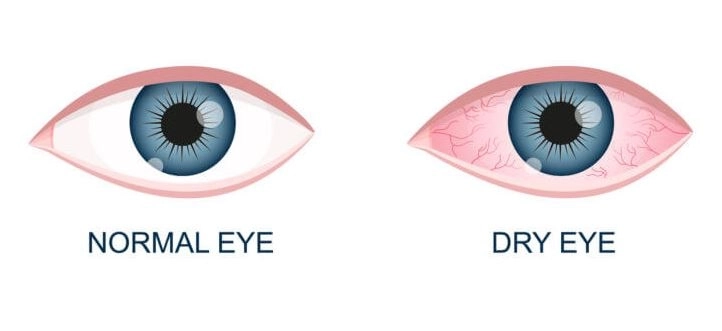
Dry eye disease is one of the most common eye conditions. It occurs when the eyes do not produce enough tears or when tears evaporate too quickly, resulting in inadequate lubrication of the eye surface. This condition can significantly affect vision quality and interfere with daily activities such as reading, using digital devices, and driving for extended periods.
Dr. Yasmine Abdelrahman Hegazy, Consultant of Ophthalmology and Eye Surgery at Alexandria University, emphasizes that early diagnosis of dry eye disease plays a crucial role in preventing complications and improving patients’ quality of life.
Tears are not simply water; they consist of three essential layers: an oily layer, a watery layer, and a mucous layer. These layers work together to lubricate the eyes, protect them from infection, and maintain clear vision. When there is an imbalance in any of these layers, dry eye symptoms may develop.
Dr. Yasmine Abdelrahman Hegazy explains that disruption in the tear film balance can lead to chronic eye irritation and discomfort if left untreated.
Several factors can increase the risk of developing dry eye disease, including:
Dr. Yasmine Abdelrahman Hegazy confirms that reduced blinking while using digital devices for long periods is one of the leading causes of the growing prevalence of dry eye disease.
Symptoms vary depending on the severity of the condition and may include:
Dr. Yasmine Abdelrahman Hegazy points out that excessive tearing does not necessarily indicate healthy eyes; in many cases, it is a natural response to compensate for insufficient lubrication.
Diagnosis depends on the patient's medical history, a comprehensive eye examination, and specialized tests, including:
Dr. Yasmine Abdelrahman Hegazy stresses that identifying the underlying cause of dry eye disease is the most important step in selecting the appropriate treatment and achieving the best outcomes.
Treatment depends on the underlying cause and the severity of the condition. Available options include:
Artificial tears are among the most commonly prescribed treatments, helping to lubricate the eyes and relieve burning and irritation.
These include:
In chronic cases, doctors may prescribe anti-inflammatory eye drops or medications that stimulate natural tear production.
For patients with blepharitis, regular eyelid cleaning and treatment of the meibomian glands can improve tear quality.
These small devices help retain tears on the eye surface for a longer period and are particularly beneficial for severe dry eye cases.
Modern treatment approaches may include intense pulsed light (IPL) therapy and thermal pulsation treatments to improve the function of the meibomian glands responsible for producing the oily layer of tears.
Dr. Yasmine Abdelrahman Hegazy explains that treatment should be individualized based on the cause and severity of the condition. Therefore, patients should avoid using eye drops without consulting an eye specialist.
The risk of developing dry eye disease can be reduced by following these recommendations:
Dr. Yasmine Abdelrahman Hegazy emphasizes that ignoring dry eye symptoms may lead to complications affecting the cornea and overall visual quality. Seeking early medical evaluation is strongly recommended if symptoms continue.
You should consult an eye specialist if dry eye symptoms persist or are accompanied by severe pain, ongoing blurred vision, or recurrent redness. Early diagnosis and appropriate treatment can help prevent complications and preserve eye health.
In conclusion, dry eye disease is a common condition that can be effectively managed with proper diagnosis and treatment. Following medical advice and adopting healthy lifestyle habits can significantly improve symptoms and maintain long-term eye comfort and visual clarity.