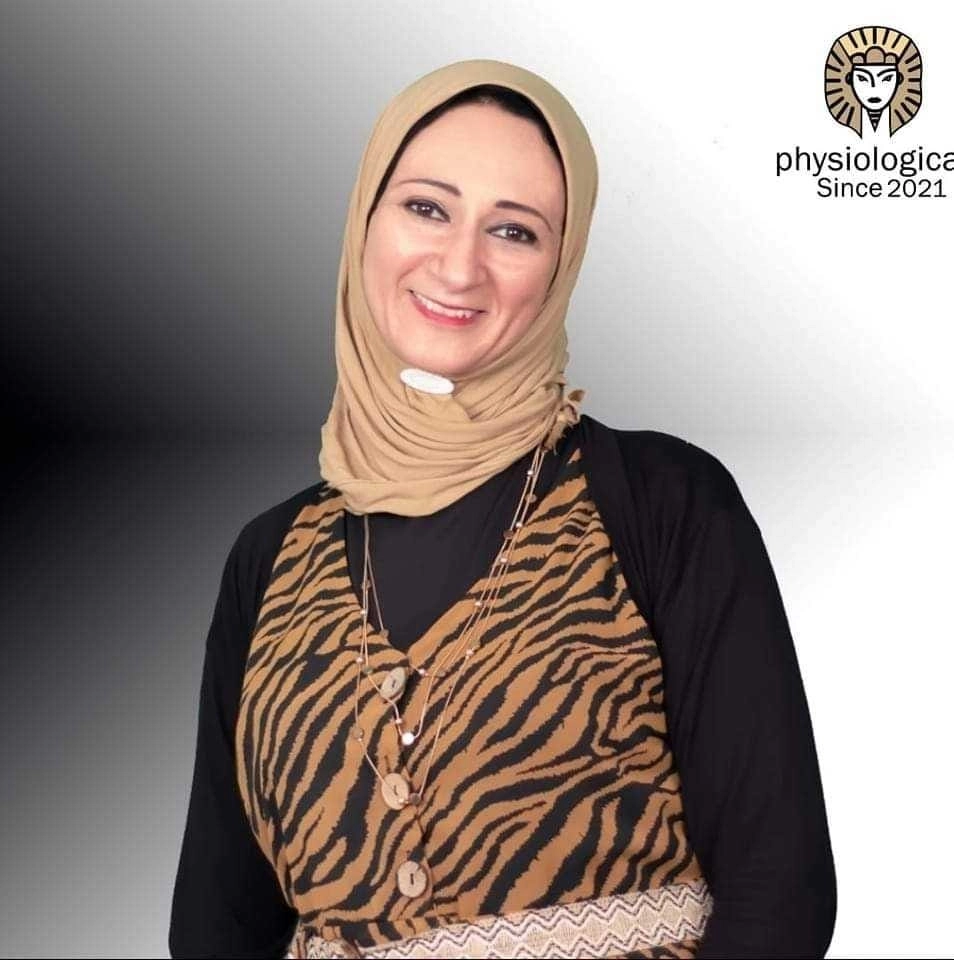

Published on: 2026-06-11 | Written by: Dr. Naama Abdel Rabbo, Specialist in Psychotherapy

Excessive stress is one of the most common psychological problems in modern life, affecting many individuals due to daily pressures at work, school, or family life. When stress exceeds normal levels, it negatively impacts both mental and physical health and reduces overall quality of life.
Dr. Neama Abdel Rabbo emphasizes that stress itself is not a disease, but rather a signal from the body and mind indicating that pressures need to be managed and regulated properly before they escalate and affect overall health.
Excessive stress is a condition of continuous psychological pressure that leads to persistent feelings of anxiety, discomfort, and an inability to relax or concentrate. It may appear in psychological or physical symptoms that vary from one person to another.
Dr. Neama Abdel Rabbo explains that normal stress can sometimes be motivating in certain situations, but when it becomes chronic or intense, it requires intervention and treatment.
There are many factors that contribute to increased stress levels, including:
Heavy responsibilities and limited time can lead to constant psychological pressure.
Family conflicts or lack of stability are major sources of stress.
Concerns about income, debts, or financial obligations increase stress levels.
Poor sleep, unhealthy diet, and lack of physical activity can worsen stress.
Dr. Neama Abdel Rabbo emphasizes that identifying the main cause of stress is the first step toward effective treatment.
Stress may appear in various symptoms, including:
Dr. Neama Abdel Rabbo explains that these symptoms should not be ignored, as they may develop into more complex psychological disorders over time.
Psychotherapy is one of the most important treatment methods, helping individuals understand negative thoughts and change their response to stress.
Such as deep breathing exercises, meditation, and yoga, which help calm the nervous system.
Proper time management reduces pressure and increases productivity.
Physical activity helps release endorphins and reduce stress levels.
Including proper sleep, healthy nutrition, and reducing excessive caffeine intake.
Dr. Neama Abdel Rabbo confirms that consistent application of these methods can significantly reduce stress levels and improve mental well-being.
Support from family and friends plays an important role in reducing stress by helping individuals feel safe and less isolated.
Dr. Neama Abdel Rabbo notes that sharing emotions instead of suppressing them significantly helps reduce stress intensity.
Professional help should be sought if stress persists for a long time or begins to affect daily life, such as work, relationships, or sleep.
Dr. Neama Abdel Rabbo emphasizes that early intervention helps prevent the condition from developing into more severe disorders such as chronic anxiety or depression.
Dr. Neama Abdel Rabbo confirms that stress management does not rely solely on medication or therapy sessions, but mainly on increasing personal awareness of stress management and improving daily lifestyle habits, which leads to a calmer and more balanced life.