

Published on: 2026-06-09 | Written by: Dr. Mohamed Hesham Agamy Consultant Urologist
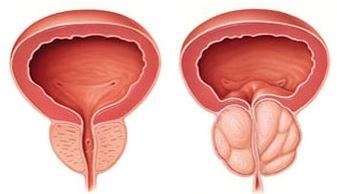
Urethral and prostate disorders are among the most common health conditions affecting men, particularly with advancing age. These conditions can significantly impact quality of life and interfere with daily activities. They include urethral infections, benign prostatic hyperplasia (BPH), chronic prostatitis, urethral stricture, urinary tract stones, and prostate or bladder tumors. Therefore, early diagnosis and appropriate treatment are essential to prevent complications and maintain a healthy urinary system.
Dr. Mohamed Hesham Agmy emphasizes that many patients delay seeking medical advice despite experiencing clear symptoms such as difficulty urinating, frequent urination, or a weak urine stream. This delay can worsen the condition and complicate treatment. Therefore, consulting a urology specialist as soon as symptoms appear is highly recommended.
The urethra is the tube responsible for carrying urine from the bladder to the outside of the body. In men, the urethra passes through the prostate gland, which means that any prostate-related condition can directly affect the urination process.
Urethral disorders include recurrent infections, urethral strictures, injuries resulting from trauma or surgery, congenital abnormalities, and certain rare tumors.
Several symptoms may indicate a urethral problem, including:
Dr. Mohamed Hesham Agmy stresses that early detection of prostate disorders plays a vital role in preventing serious complications. Many prostate conditions begin with mild symptoms that can be effectively treated in their early stages before affecting the bladder or kidneys.
The prostate is a small gland located just below the bladder and surrounding the upper portion of the urethra in men. Its primary function is to produce part of the seminal fluid that nourishes and protects sperm cells.
As men age, the prostate may develop several medical conditions that require monitoring and treatment by a urology specialist.
Benign prostatic hyperplasia is one of the most common conditions affecting men over the age of 50. It occurs when the prostate gland enlarges gradually, compressing the urethra and causing bothersome urinary symptoms.
Common symptoms of BPH include:
Dr. Mohamed Hesham Agmy highlights that major advancements in BPH treatment have provided patients with safe and effective options. Many cases can now be successfully managed with medications or minimally invasive endoscopic procedures, reducing the need for traditional open surgery.
The prostate can develop acute or chronic inflammation, leading to symptoms such as:
Treatment depends on an accurate diagnosis and identifying whether the inflammation is bacterial or non-bacterial in nature.
A urethral stricture occurs when scar tissue narrows part of the urethra, restricting urine flow. This condition may result from previous infections, trauma, or surgical procedures.
Common treatment options include urethral dilation, endoscopic procedures, and reconstructive surgery, depending on the severity and location of the narrowing.
Dr. Mohamed Hesham Agmy warns that ignoring symptoms of urethral obstruction or stricture can lead to serious complications, including urinary retention, recurrent bladder infections, and impaired kidney function. Prompt medical evaluation is therefore essential.
Diagnosis typically involves several modern techniques, including:
These diagnostic tools help physicians establish an accurate diagnosis and develop an individualized treatment plan.
Urological surgery has advanced significantly in recent years. Endoscopic and laser technologies have become standard treatment options for many prostate and urethral disorders. These modern techniques offer less pain, faster recovery, shorter hospital stays, and excellent treatment outcomes.
Dr. Mohamed Hesham Agmy emphasizes that regular medical checkups and routine screening play a key role in detecting prostate and urethral disorders at an early stage. Early detection significantly improves treatment success rates and reduces the risk of complications, particularly in men over the age of 40 or those with a history of urinary tract problems.
Maintaining the health of the urethra and prostate goes beyond treating symptoms. It involves prevention, early detection, and continuous follow-up, all of which contribute to preserving urinary function and enhancing overall quality of life in the long term.