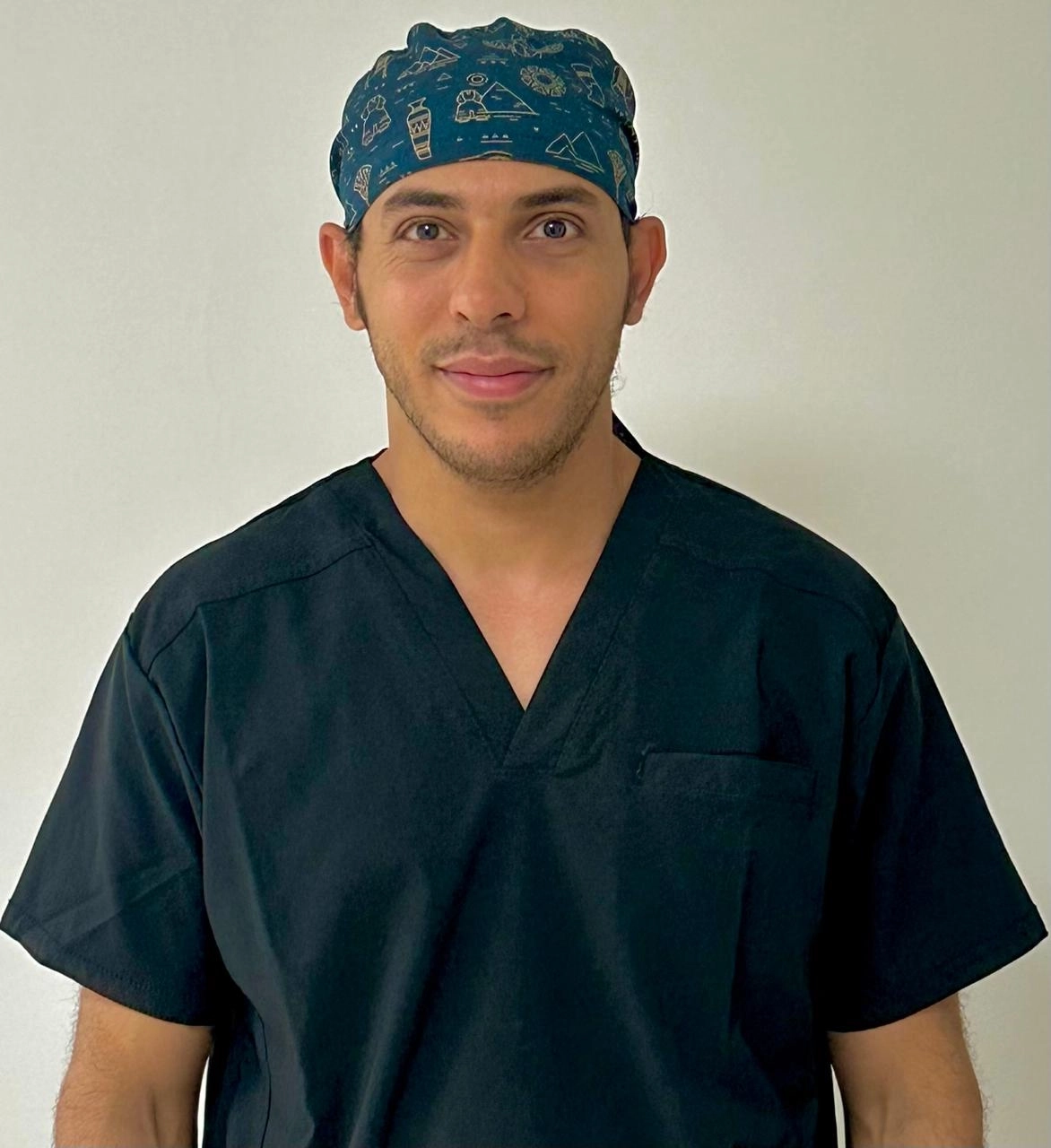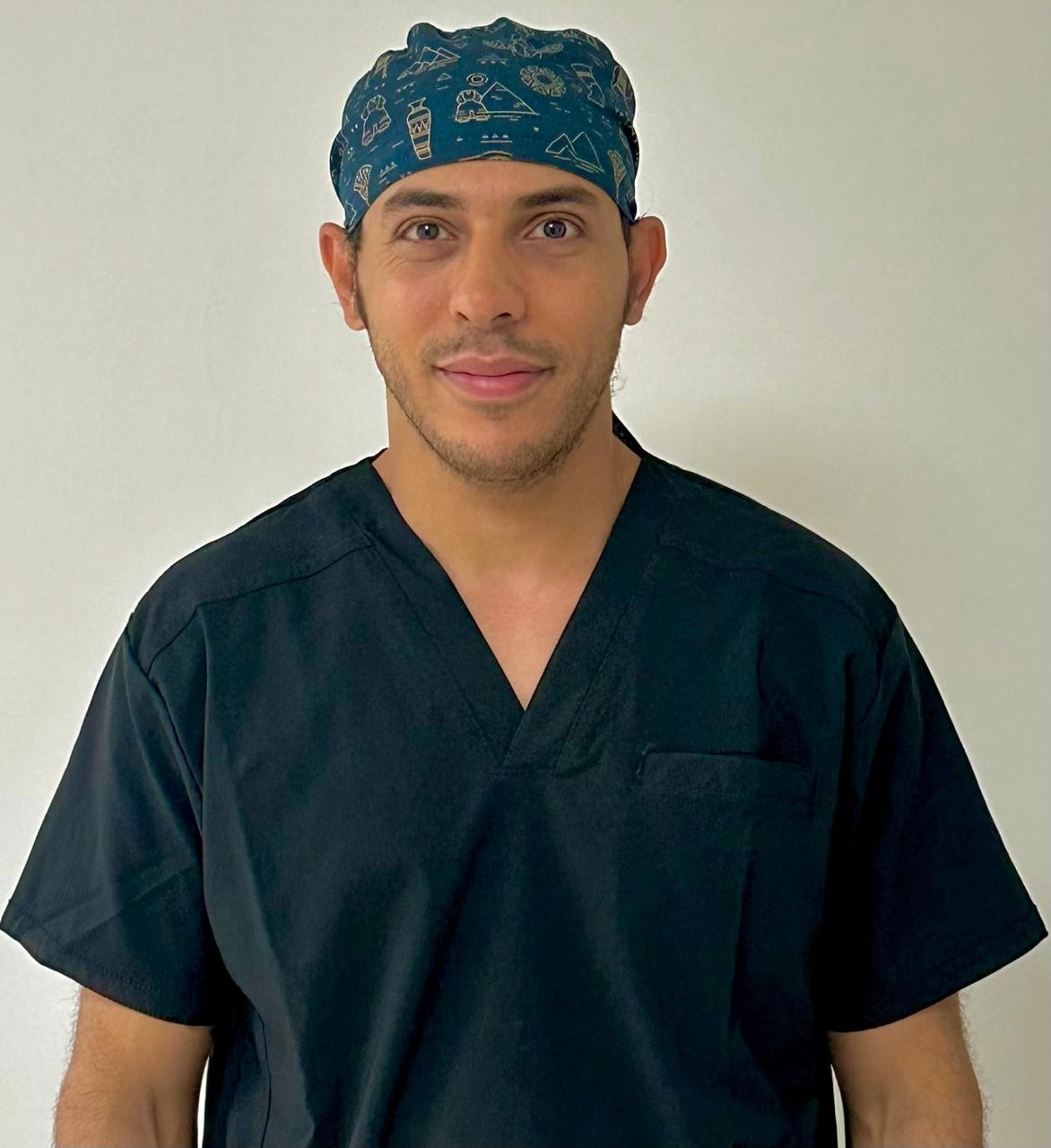

Published on: 2026-06-09 | Written by: Dr. Mohamed Hesham Agamy Consultant Urologist

Pediatric urology surgery is a highly specialized medical field dedicated to diagnosing and treating congenital and acquired disorders affecting the urinary and reproductive systems in children from birth through adolescence. Early diagnosis and timely surgical intervention play a crucial role in preserving kidney function, preventing complications, and improving a child's quality of life. Recent advances in minimally invasive and endoscopic techniques have significantly enhanced surgical outcomes while reducing pain and recovery time.
Dr. Mohamed Hesham Agmy emphasizes that the success of treating most pediatric urological conditions depends largely on early diagnosis and careful follow-up. Whether abnormalities are detected during prenatal examinations or after birth, prompt evaluation helps prevent complications and preserve normal kidney function.
Pediatric urology surgery addresses a wide range of conditions, including:
Dr. Mohamed Hesham Agmy stresses that many congenital urinary tract abnormalities can be detected during pregnancy through ultrasound examinations. Continuous follow-up after birth allows physicians to assess the condition accurately and determine whether medical treatment or surgical intervention is required.
Undescended testicles are among the most common conditions affecting male children. In this condition, one or both testicles fail to descend into the scrotum naturally. Surgical correction at the appropriate age is recommended to preserve fertility and reduce the risk of future complications.
Modern surgical techniques, including laparoscopy, offer excellent outcomes with smaller incisions and faster recovery.
Hypospadias is a common congenital condition in which the urethral opening is located on the underside of the penis instead of its normal position. Surgical treatment aims to reconstruct the urethra and restore both normal urinary function and cosmetic appearance.
Dr. Mohamed Hesham Agmy highlights that significant advancements in minimally invasive and endoscopic procedures have transformed the treatment of many pediatric urological disorders. These techniques require only small incisions, resulting in less postoperative pain and a quicker return to daily activities.
Vesicoureteral reflux is a serious condition that may lead to recurrent urinary tract infections and progressive kidney damage if left untreated. Treatment depends on the severity of the reflux, the child’s age, and overall health status. While some cases can be managed with medication and monitoring, others may require surgical correction.
Some children are born with an obstruction at the junction between the kidney and ureter, causing urine accumulation and kidney swelling. Surgical treatment removes the obstruction and restores normal urine flow, helping preserve kidney function and prevent long-term complications.
Although urinary tract stones are more commonly associated with adults, they can also occur in children due to genetic factors, dietary issues, or recurrent infections. Treatment may involve minimally invasive procedures, endoscopic techniques, or other advanced methods tailored to the child’s age and condition.
Dr. Mohamed Hesham Agmy warns parents not to ignore symptoms such as recurrent urinary tract infections, difficulty urinating, weak urine stream, unexplained abdominal pain, or persistent bedwetting. These symptoms may indicate an underlying condition that requires prompt medical evaluation and treatment.
Diagnosis typically involves:
These diagnostic tools help specialists identify the exact condition and develop an individualized treatment plan.
Pediatric urology surgery has achieved remarkable success rates thanks to advancements in surgical techniques, early diagnosis, and ongoing postoperative care. Minimally invasive procedures have significantly reduced complications while improving both functional and cosmetic outcomes.
Dr. Mohamed Hesham Agmy emphasizes that selecting a highly qualified and experienced pediatric urology surgeon is one of the most important factors in achieving successful treatment outcomes. Pediatric urological procedures differ significantly from adult surgeries and require specialized expertise to ensure the best possible results and protect the child’s long-term health and well-being.