
Published on: 2026-05-19 | Written by: Dr. Basem Doss, Consultant Obstetrician
ICSI (Intracytoplasmic Sperm Injection) is considered one of the most advanced and important assisted reproductive technologies that has helped thousands of couples achieve their dream of parenthood, especially in cases where natural pregnancy is difficult. With major advancements in fertility treatments, success rates have significantly improved thanks to accurate diagnosis and continuous medical follow-up. Dr. Bassem Dos emphasizes that ICSI has become an effective and safe solution for many causes of infertility in both men and women.
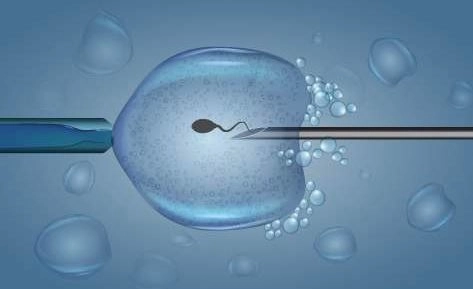
ICSI is an assisted reproductive technique in which a single sperm is directly injected into an egg inside a laboratory to increase the chances of fertilization. After fertilization occurs, the resulting embryos are transferred into the uterus.
Dr. Bassem Dos explains that this technique differs from natural conception and other fertility treatments, as it helps overcome many infertility issues that may prevent fertilization naturally.
There are several situations in which ICSI may be recommended, including:
Dr. Bassem Dos points out that the decision to proceed with ICSI is not based solely on delayed pregnancy, but requires a detailed medical evaluation of both partners.
ICSI involves several important stages, including:
The wife is given medications to stimulate the ovaries and produce multiple eggs instead of just one.
The eggs are collected through a simple medical procedure under professional supervision.
The highest-quality sperm with the best movement and shape are selected.
A single sperm is injected directly into the egg using precise laboratory techniques.
After embryo development, the healthiest embryos are selected and transferred into the uterus.
Dr. Bassem Dos confirms that following medical instructions carefully throughout every stage increases the likelihood of success.
The success rate of ICSI depends on several factors, including:
Dr. Bassem Dos emphasizes that success does not rely solely on the procedure itself, but also on proper diagnosis and close monitoring before and after treatment.
To improve success rates, it is recommended to:
Dr. Bassem Dos strongly stresses the importance of emotional support for couples during the treatment journey, as mental well-being may indirectly influence outcomes.
ICSI is considered a safe medical procedure when performed in specialized fertility centers under professional supervision. Complications are usually minimal and can often be managed effectively.
Dr. Bassem Dos confirms that medical advancements have significantly improved both safety and success rates while reducing associated risks.
In some cases, the first attempt may not succeed due to factors such as:
Dr. Bassem Dos explains that failure in the first attempt does not mean future success is impossible; sometimes, treatment plans simply need adjustment.