
Published on: 2026-05-04 | Written by: DrReda ElKady Consultant in Pediatric Neonatal
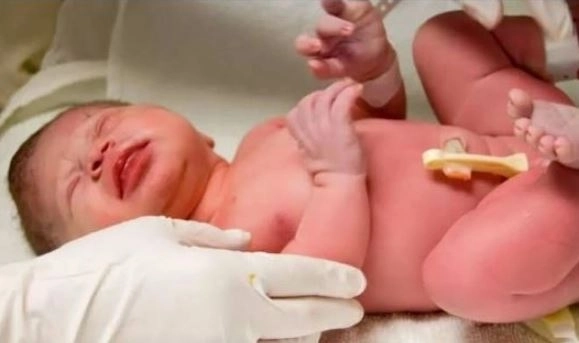
What is Hypospadias in Children?
Hypospadias is a congenital condition that occurs in males, and it should be emphasized that the opening of the urethra is not located at its normal position at the tip of the penis. It must be noted that the opening may be located on the underside of the penis to varying degrees. Doctors confirm that this condition may be associated with a downward curvature of the penis or an abnormal foreskin shape, which requires specialized medical intervention.
First-Degree Hypospadias
First-degree hypospadias is considered one of the mildest forms, and it should be clarified that the urethral opening is close to the head of the penis but not exactly in its normal position. Doctors confirm that this degree is usually easier to treat compared to more advanced cases, and they strongly emphasize that surgical outcomes are excellent in most cases when treated early.
Causes of Hypospadias in Children
Medical studies strongly emphasize that the exact cause of hypospadias is not definitively known, but there are several potential factors that should be considered, including:
Appearance of Hypospadias in Children
It must be emphasized that the appearance of hypospadias varies from one child to another depending on the severity, and doctors strongly advise observing the following signs:
Hypospadias Repair in Children (Surgical Treatment)
Surgical intervention is considered the main treatment, and it must be emphasized that the goal of the procedure is to reposition the urethral opening to its normal location and correct the shape of the penis. Doctors strongly emphasize that the best time for surgery is usually between 6 to 18 months of age to ensure optimal results.
Dr. Reda El-Kady confirms that early diagnosis is the most important factor in successful treatment, strongly emphasizing the need to consult a
specialist as soon as any abnormality is noticed.
Dr. Reda El-Kady also explains that choosing an experienced surgeon plays a major role in the success of the operation, and confirms that modern techniques have significantly reduced complications and improved both cosmetic and functional outcomes.
Dr. Reda El-Kady strongly emphasizes that the goal of surgery is not only to correct appearance but also to ensure normal urination in the future, and highlights the importance of post-operative follow-up to avoid complications.
Dr. Reda El-Kady confirms that most children achieve excellent results after surgery, especially when medical instructions are carefully followed, and stresses the importance of proper wound care and regular follow-up.
Dr. Reda El-Kady also warns against delaying treatment, emphasizing that postponement may lead to psychological and functional issues for the child later in life.