
Published on: 2026-04-12 | Written by: Dr Reda ElKady Consultant in Pediatric Neonatal and Endoscopic Surgery
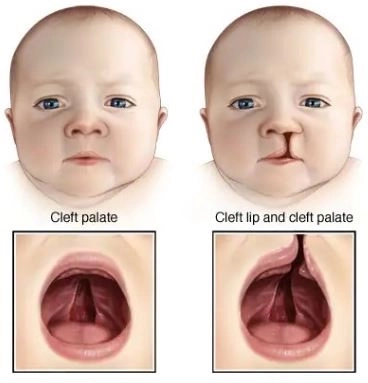
Cleft lip surgery is one of the most important procedures in pediatric and reconstructive surgery, aiming to correct a congenital defect in the upper lip that appears at birth and affects both appearance and essential functions such as feeding and speech. Dr. Reda El Qady emphasizes that early surgical intervention plays a crucial role in achieving the best functional and cosmetic outcomes.
A cleft lip is a congenital condition that occurs when the tissues of the upper lip do not fully fuse during fetal development, resulting in an opening or split in the lip. In some cases, it may extend toward the nose or be associated with a cleft palate.
Dr. Reda El Qady stresses that early diagnosis after birth helps in developing a comprehensive treatment plan tailored to each child.
There are several causes of cleft lip, including:
Dr. Reda El Qady highlights that understanding the causes can help with prevention and reduce the risk of recurrence.
A cleft lip may affect several important aspects of a child’s life, including:
Dr. Reda El Qady notes that early treatment significantly reduces these effects and improves the child’s quality of life.
The timing of surgery depends on the child’s condition, but it is usually performed within the first few months of life after ensuring the baby is medically stable.
Dr. Reda El Qady confirms that choosing the right timing is one of the most important factors for surgical success.
The procedure includes several precise steps:
Dr. Reda El Qady emphasizes that surgical precision and the surgeon’s expertise are key to achieving optimal results.
After surgery, the child typically requires:
Cleft lip surgery achieves excellent results in most cases, helping to: