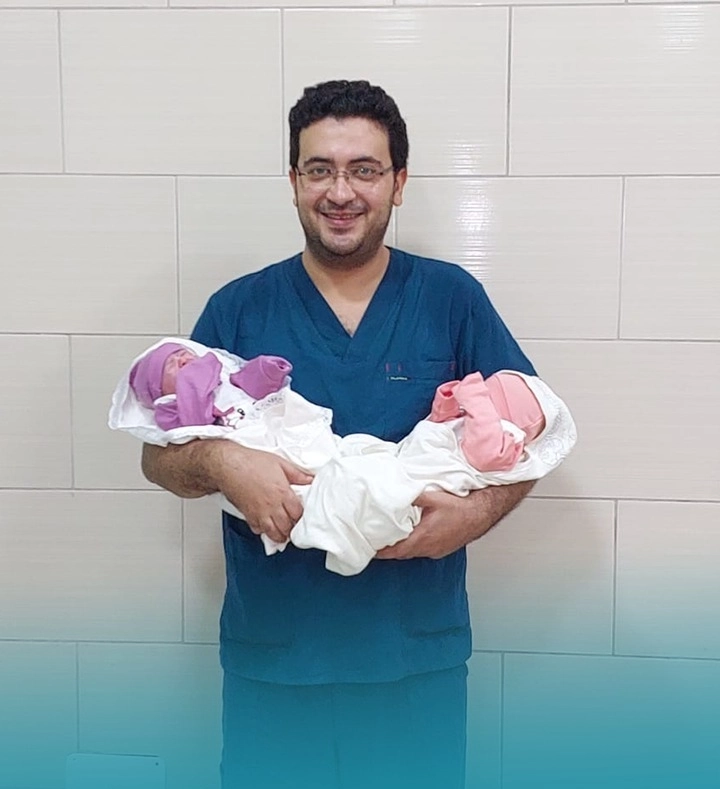

Published on: 2026-02-28 | Written by: Dr. Hassan Noman Salam, PhD in Obstetrics

Recurrent miscarriage is one of the most challenging physical and psychological health issues for women, affecting fertility and self-confidence.
Dr. Hassan Naaman Salam emphasizes that using the latest devices to diagnose the causes of recurrent miscarriage improves diagnostic accuracy and helps establish an effective treatment plan to increase the chances of a successful pregnancy.
Recurrent miscarriage is defined as the loss of pregnancy more than twice consecutively before the 20th week of gestation, whether the cause is known or unknown.
Dr. Hassan Naaman Salam states: "Recurrent miscarriage is not just a random event. It requires precise evaluation and diagnosis using modern devices to determine the cause and provide the appropriate treatment."
The causes of recurrent miscarriage include:
Hormonal disorders: Such as thyroid imbalances or problems with progesterone and estrogen.
Immune system disorders: Such as antiphospholipid syndrome.
Uterine or reproductive tract abnormalities: Such as a bicornuate uterus or fibroids.
Chromosomal issues: In the mother or father that lead to pregnancy failure.
General health problems: Such as diabetes or severe anemia.
Dr. Hassan Naaman Salam emphasizes that identifying the precise cause for each case increases the chances of a successful future pregnancy and reduces complications.
Common symptoms include:
Recurrent or variable vaginal bleeding during early pregnancy.
Severe lower abdominal or back pain.
Continuous pregnancy loss in early stages without a clear reason.
Occasionally, symptoms related to hormonal or immune disorders.
Dr. Hassan Naaman Salam stresses the importance of consulting a doctor immediately after any recurrent miscarriage to determine the cause and take appropriate measures.
The use of modern technology has greatly improved the accuracy of diagnosing recurrent miscarriage causes:
3D and 4D ultrasound machines: To evaluate the uterus and ovaries and detect reproductive tract abnormalities.
Digital chromosomal testing: To examine genetic causes of pregnancy failure.
Accurate hormone testing devices: Measure estrogen, progesterone, and thyroid levels precisely.
Advanced endoscopic devices: To examine the uterus and detect small tumors or polyps.
Dr. Hassan Naaman Salam confirms that relying on these devices allows precise diagnosis and helps determine the best treatment plan for each case, increasing the chances of a successful pregnancy.
Treatment depends on the underlying cause and type of problem and includes:
Hormone regulation to correct any imbalance.
Pregnancy-supporting drugs, such as progesterone, when necessary.
Treatment for immune or inflammatory problems as diagnosed.
Correcting uterine abnormalities or removing fibroids or polyps using endoscopic techniques.
Targeted surgical interventions in rare cases unresponsive to medication.
Dr. Hassan Naaman Salam emphasizes that combining precise diagnosis using the latest devices with appropriate treatment ensures effective results and improves the chances of a successful pregnancy.
Consult a doctor immediately after any miscarriage to evaluate the condition.
Monitor pregnancy regularly using modern devices to avoid complications.
Maintain a healthy weight and balanced diet to support pregnancy health.
Manage stress and avoid excessive psychological pressure.
Follow the prescribed treatment plan carefully.
Dr. Hassan Naaman Salam concludes: "Early diagnosis, identifying the causes, and using the latest devices is the best way to increase the chances of a successful pregnancy and ensure the mother’s health."