
Published on: 2026-02-25 | Written by: ELmoltaqaa , a natural therapy clinic run by Dr. Iyad Ashour
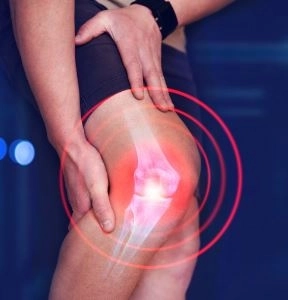
Knee osteoarthritis is one of the most common joint problems among the elderly and athletes, significantly affecting movement and daily quality of life.
Dr. Eyad Ashour emphasizes that early diagnosis and an appropriate treatment plan are key to maintaining knee health and preventing the condition from worsening.
Knee osteoarthritis, also known as degenerative joint disease, is a gradual wearing down of the cartilage between the knee bones, leading to bone friction, pain, swelling, and difficulty in movement.
Dr. Eyad Ashour states: "Knee osteoarthritis is not just temporary pain; it is a chronic process that requires accurate medical evaluation and a comprehensive treatment plan."
Knee osteoarthritis can result from several factors, including:
Aging: As we age, cartilage thickness decreases, increasing the risk of osteoarthritis.
Obesity: Excess weight puts significant pressure on the knee joint, accelerating cartilage wear.
Sports injuries: Fractures or ligament tears can lead to early knee osteoarthritis.
Genetics: Some individuals are genetically predisposed to weaker cartilage and joint problems.
Common symptoms include:
Chronic knee pain that worsens when walking or climbing stairs.
Swelling and stiffness, especially after long periods of rest.
Loss of flexibility and difficulty bending or straightening the knee.
Occasionally, a clicking or grinding sound during movement.
Dr. Eyad Ashour emphasizes that these symptoms should not be ignored, as early intervention prevents disease progression and reduces the need for surgery later.
Treatment depends on the severity of the condition and the doctor’s evaluation, and includes:
Strengthening exercises for muscles around the knee: Help support the joint and reduce pressure on the cartilage.
Physical therapy and rehabilitation: Improve mobility and reduce pain.
Pain-relieving and anti-inflammatory medications: To alleviate discomfort and inflammation.
Platelet-rich plasma (PRP) or hyaluronic acid injections: Reduce friction and stimulate cartilage regeneration.
Dr. Eyad Ashour stresses the importance of adhering to the treatment plan and not relying solely on medications, combining exercises and physical therapy for optimal results.
In advanced cases unresponsive to conservative therapy, the doctor may recommend surgical options such as:
Joint cleaning or removal of damaged cartilage parts.
Partial or total knee replacement, especially in patients with severe pain and restricted movement.
Dr. Eyad Ashour confirms that surgical intervention is the last resort and should be performed by a specialized surgeon to ensure long-term success.
Maintain a healthy weight to reduce pressure on the knee.
Engage in low-impact exercises such as swimming or cycling.
Follow a diet rich in calcium and vitamins to support bone and cartilage health.
Wear appropriate footwear to reduce shocks on the knee.
Visit the doctor as soon as symptoms appear for early diagnosis.
Dr. Eyad Ashour concludes: "Prevention is better than cure. By following the doctor’s advice and adhering to an appropriate treatment plan, knee joints can remain healthy and mobility can be maintained without pain."