
Published on: 2026-02-09 | Written by: Dr. Mark Atef Tadri Orthopedic Surgeon
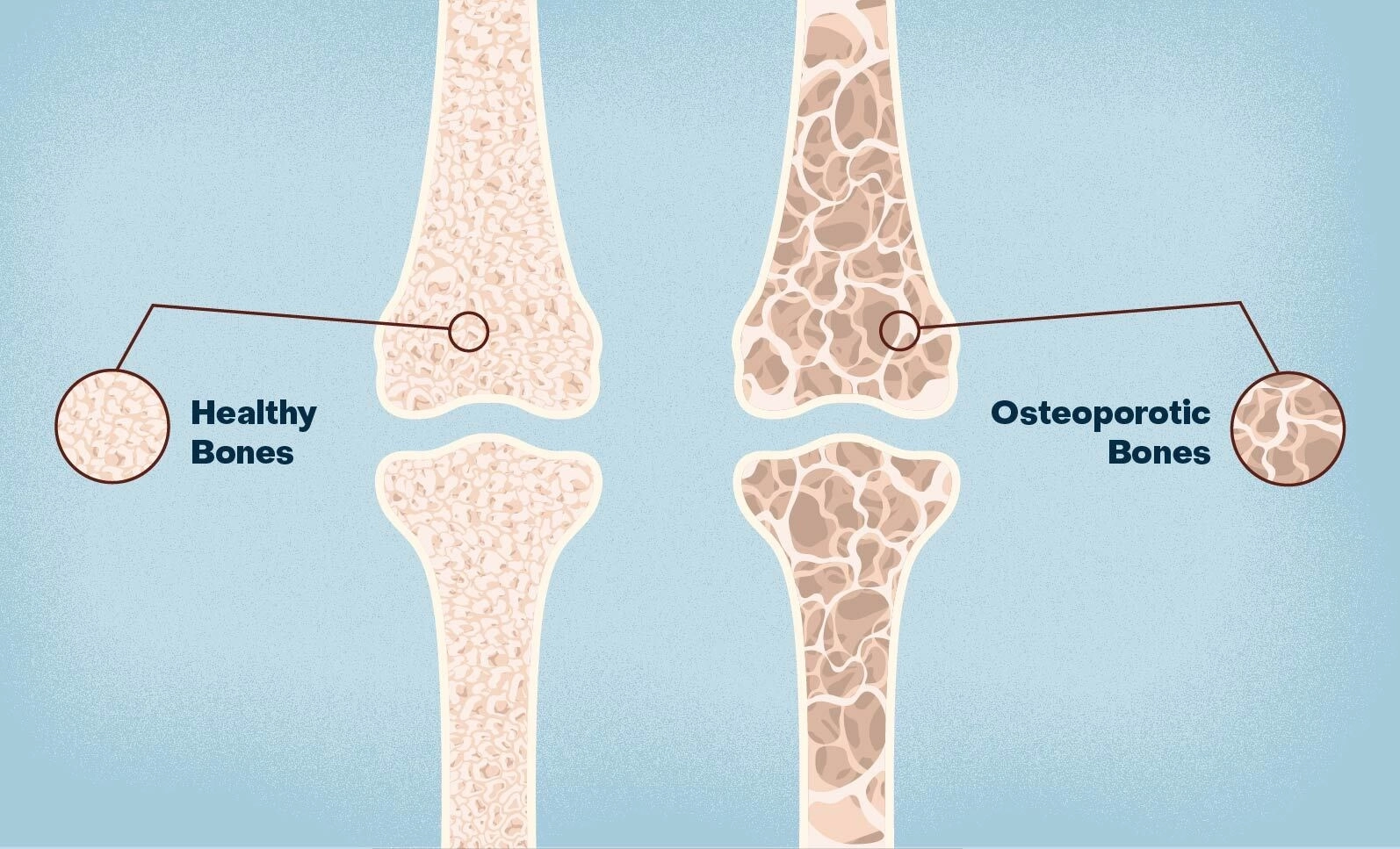
Osteoporosis is a silent disease that develops gradually without clear symptoms in its early stages, yet it can lead to serious fractures that affect mobility and quality of life. It occurs due to loss of bone density and deterioration of bone structure, making bones fragile and more prone to fractures even with minor injuries.
Dr. Mark Atef Tadry confirms that early detection of osteoporosis plays a crucial role in preventing fractures and serious complications.
Osteoporosis is a medical condition characterized by a decrease in bone density and strength, which increases the risk of fractures. It commonly affects the spine, hip, and wrist.
Dr. Mark Atef Tadry points out that the disease may progress for years without noticeable symptoms, making regular screening essential.
There are several causes of osteoporosis, including:
Aging
Calcium and vitamin D deficiency
Hormonal changes, especially after menopause
Lack of physical activity
Smoking and excessive caffeine intake
Long-term use of certain medications such as corticosteroids
Dr. Mark Atef Tadry emphasizes that identifying the underlying cause helps in developing an effective and personalized treatment plan.
In the early stages, symptoms may not be obvious. As the condition progresses, symptoms may include:
Chronic back pain
Loss of height over time
Spinal curvature or stooped posture
Recurrent fractures from minor trauma
Dr. Mark Atef Tadry warns that fractures occurring without significant injury are a serious warning sign that requires immediate medical evaluation.
Diagnosis of osteoporosis relies on several methods, including:
Bone density measurement (DEXA scan)
X-ray imaging
Blood tests to measure calcium and vitamin D levels
Clinical assessment and medical history review
Dr. Mark Atef Tadry confirms that early and accurate diagnosis significantly reduces fracture risk and improves treatment outcomes.
Treatment depends on disease severity and patient age and may include:
Bone-strengthening medications
Calcium and vitamin D supplements
Drugs that reduce bone loss
Muscle-strengthening exercises
Balance training to reduce the risk of falls
Healthy and balanced nutrition
Regular physical activity
Smoking cessation
Dr. Mark Atef Tadry emphasizes that adherence to treatment and a healthy lifestyle can significantly slow disease progression.
To prevent osteoporosis, it is recommended to:
Ensure adequate intake of calcium and vitamin D
Have moderate sun exposure
Engage in regular physical exercise
Maintain a healthy body weight
Undergo routine bone density screenings, especially after the age of 40
Groups at higher risk of developing osteoporosis include:
Postmenopausal women
Older adults
Individuals with a family history of osteoporosis
Patients with thyroid disorders and certain chronic diseases