Published on: 2025-11-15 | Written by: Dr Mohamed Abdel Shafouq Prof of Neurosurgery
Interventional Catheterization Treatment for Stroke with Dr. Mohamed Helmy Abdel Shafouq
Dr. Mohamed Helmy Abdel Shafouq emphasizes that interventional catheterization for stroke represents a significant breakthrough in the treatment of cerebrovascular diseases. He confirms that this technique helps restore blood flow quickly and effectively, reducing the risk of complications.
The Importance of Early Intervention
Dr. Mohamed Helmy Abdel Shafouq has found that interventional catheterization provides a safe and effective alternative to traditional surgical operations. He stresses that accurate diagnosis of the clot’s location is a key factor in the success of the treatment.
Steps of Interventional Catheterization Treatment
Dr. Mohamed Helmy Abdel Shafouq highlights the importance of starting treatment as soon as symptoms appear. He confirms that any delay in intervention can lead to permanent damage to brain cells and emphasizes the necessity of continuous monitoring after the catheterization.
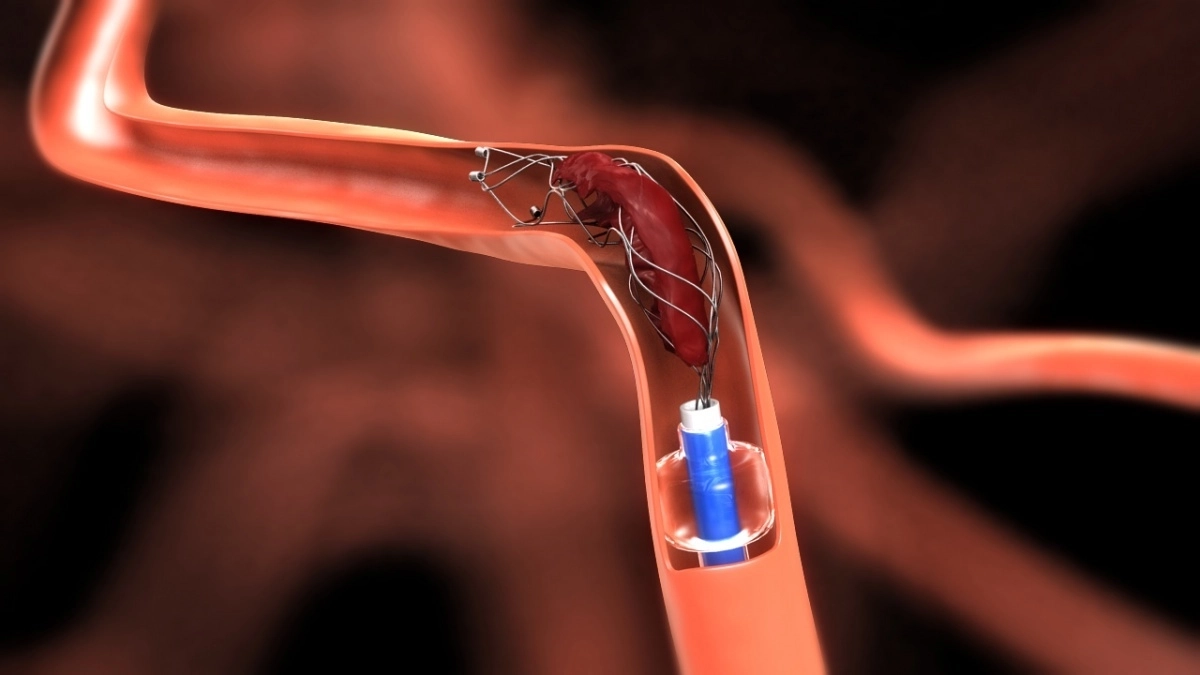
Dr. Mohamed Helmy Abdel Shafouq points out that interventional catheterization relies on using fine tubes inserted through the arteries to dissolve or extract the clot. He confirms that this procedure significantly reduces recovery time compared to traditional surgery.
Benefits of Interventional Catheterization for Stroke
Follow-ups by Dr. Mohamed Helmy Abdel Shafouq indicate that the success rate of interventional catheterization for stroke is very high when suitable patients are selected. He stresses the importance of working within a fully integrated medical team to ensure the highest levels of safety and efficiency.
Patient Follow-up After Catheterization
Dr. Mohamed Helmy Abdel Shafouq emphasizes that precise follow-up after interventional catheterization is crucial to prevent any potential complications. He confirms that adherence to medical instructions and the prescribed medication regimen after the procedure ensures the best outcomes for patients.