Published on: 2025-11-15 | Written by: Dr Mohamed Abdel Shafouq Prof of Neurosurgery
Pituitary Gland Endoscopic Surgery Without External Incision with Dr. Mohamed Helmy Abdel Shafouk
Dr. Mohamed Helmy Abdel Shafouk emphasizes that endoscopic pituitary gland surgery without an external incision represents a real breakthrough in the field of neurosurgery, as it provides an effective and precise treatment without the need for any external opening or facial wound, making it the optimal choice for many patients.
What is Endoscopic Pituitary Surgery
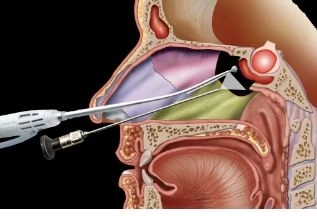
Dr. Mohamed Helmy Abdel Shafouk explains that endoscopic pituitary surgery involves inserting a fine endoscope through the nose to directly reach the pituitary gland, without any skull opening. This technique provides the surgeon with a close and clear view, allowing precise tumor removal without affecting the healthy brain tissue.
Advantages of Endoscopic Surgery Without External Incision
Dr. Mohamed Helmy Abdel Shafouk confirms that this technique offers numerous important benefits for patients, including:
No external wounds or scars.
Rapid recovery and return to daily life within a few days.
Reduced risk of complications such as bleeding or infections.
Clearer surgical view, increasing the chances of complete tumor removal.
When Does a Patient Need This Surgery
Dr. Mohamed Helmy Abdel Shafouk warns that a patient may need endoscopic pituitary surgery if symptoms appear, such as hormonal disturbances, vision problems due to tumor pressure on the optic nerve, or persistent headaches. Imaging and hormonal tests are essential to determine the timing of surgical intervention.
How is the Endoscopic Surgery Performed Step by Step?
Modern medical experience emphasizes that the surgery begins by inserting the endoscope through the nostrils, reaching the sphenoid sinus, then creating a small pathway to the pituitary gland to remove the tumor using highly precise instruments, and finally closing the area without any external stitches.
Postoperative Care and Success Rates
Medical follow-up shows that patients usually leave the hospital within 24 hours and quickly regain normal activity. Studies indicate success rates exceeding 90% thanks to the precision of the endoscope and reduced complications, with regular monitoring of hormones to ensure stable pituitary function.
Conclusion
Dr. Mohamed Helmy Abdel Shafouk confirms that endoscopic pituitary gland surgery without an external incision is one of the safest and most effective techniques for treating pituitary tumors, and choosing a specialized and experienced neurosurgeon is the key factor in achieving the best results.