
Published on: 2025-06-15 | Written by: Dr. Mohamed Refaat, Consultant the Department
Many people suffer from morbid obesity, which negatively affects their physical and psychological health. When diets and exercise fail to produce lasting results, obesity surgery emerges as an effective and medically approved option.
But is surgery the ultimate solution? And what are the conditions for a successful procedure?
In this article, Dr. Mohamed Refaat, a specialist in obesity and body contouring surgery, explains everything you need to know.
Obesity surgery, also known as bariatric surgery, includes various procedures aimed at reducing stomach size or altering how the body absorbs food. This results in significant weight loss over a relatively short period.
The most common types include:
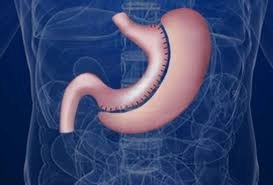
Gastric sleeve surgery
Gastric bypass (mini or full)
Gastric banding
Dr. Mohamed Refaat utilizes the latest surgical techniques to ensure safe and long-lasting outcomes.
While bariatric surgery delivers impressive results, it’s not a "magic fix."
Dr. Mohamed Refaat emphasizes that the success of the surgery largely depends on:
The patient's commitment to a healthy lifestyle
Following a balanced post-surgery diet
Maintaining regular medical follow-ups
In short, surgery is an effective first step, but long-term success requires continuous effort and lifestyle changes.
You may be a candidate if:
Your BMI is over 40, or
Your BMI is over 35 with obesity-related health conditions (like diabetes or high blood pressure)
Traditional weight loss methods have failed
You’re mentally and physically prepared for the journey
Like any surgical procedure, there are potential risks such as:
Bleeding
Leakage from the staple line
Vitamin deficiencies
However, with an experienced surgeon and proper patient compliance, these risks are significantly reduced.
“Obesity surgery is not just about losing weight—it’s about starting a new, healthier life. The real success lies in commitment, follow-up, and a sincere change in lifestyle.”