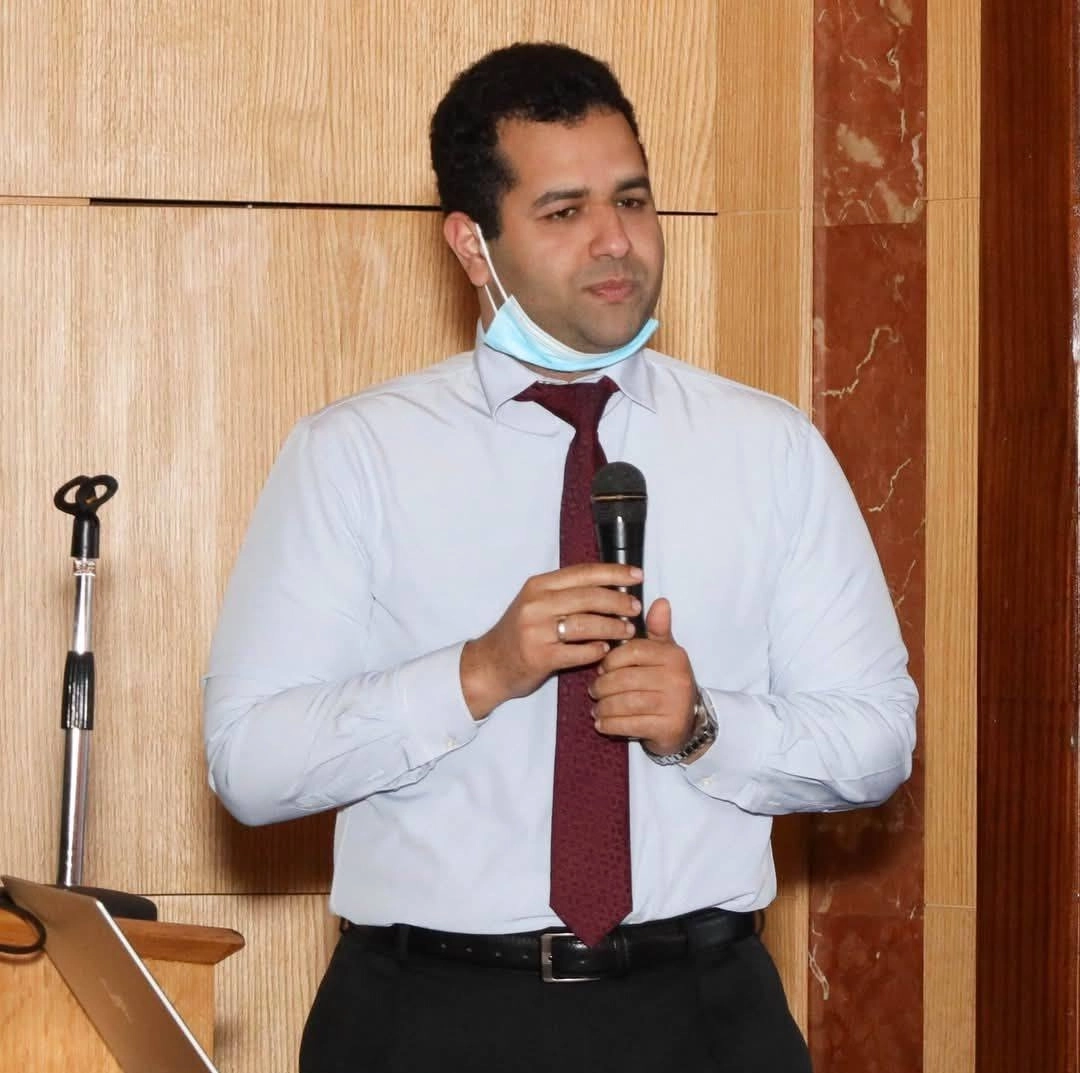

Published on: 2025-11-12 | Written by: Dr. Mohamed Dweidar Gastroenterology
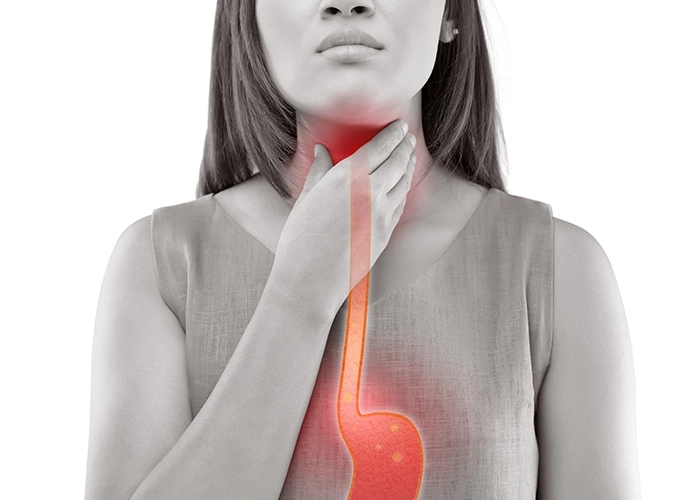
Acid reflux and difficulty swallowing are two health issues that require careful monitoring and accurate diagnosis to prevent complications. Dr. Mohamed Dowidar emphasizes that these symptoms should never be ignored and stresses the importance of early intervention to determine the underlying cause accurately.
Acid reflux occurs when stomach acids flow back into the esophagus, irritating its lining and causing persistent heartburn.
Dr. Mohamed Dowidar explains that this condition can lead to serious complications if not treated properly, and he emphasizes the importance of continuous symptom monitoring.
Heartburn after eating.
A sour taste in the mouth or throat.
Chronic throat irritation or hoarseness.
Occasional difficulty swallowing.
Difficulty swallowing, or dysphagia, is the sensation of discomfort when food or liquids pass through the esophagus.
Dr. Mohamed Dowidar stresses that difficulty swallowing may result from chronic acid reflux, muscle problems, or partial obstruction in the esophagus, and he confirms that an accurate diagnosis is essential to identify the real cause.
Chronic acid reflux causing narrowing of the esophagus.
Inflammation or irritation in the esophagus due to acid.
Muscle or nerve problems responsible for swallowing.
Tumors or masses pressing on the esophagus.
Dr. Mohamed Dowidar emphasizes that an accurate diagnosis relies on a combination of tests and underscores the importance of performing endoscopy and necessary analyses to assess the esophagus’s condition.
Esophagoscopy: Reveals changes in the esophageal lining and detects any ulcers or narrowing.
pH Monitoring Test: Measures the amount of acid reflux from the stomach.
Barium X-rays: Help visualize any obstruction or deformity in the esophagus.
Treatment depends on the underlying cause and symptom severity. Dr. Mohamed Dowidar stresses the importance of following a comprehensive treatment plan that includes:
Lifestyle Modifications:
Avoid spicy and fatty foods.
Do not lie down immediately after eating.
Elevate the head during sleep.
Medications:
Such as antacids and proton pump inhibitors.
Dr. Mohamed Dowidar confirms that adhering to prescribed doses is key to successful treatment.
Surgery in Severe Cases:
In cases that do not respond to medication, surgical repair of the esophageal valve may be necessary.
Dr. Mohamed Dowidar emphasizes the need to consult a doctor if any of the following signs appear:
Sudden weight loss.
Vomiting blood.
Persistent difficulty swallowing.
He stresses that these symptoms should never be underestimated.