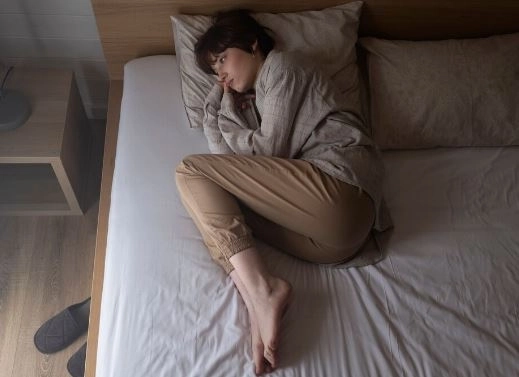
Have you ever woken up to find a family member walking around the house while still asleep, unaware of what they are doing? This condition is known as sleepwalking (somnambulism). It is a sleep disorder that causes a person to engage in certain activities, such as walking, talking, or opening doors, despite not being fully awake. In most cases, the person has no memory of what happened upon waking up.Sleepwalking can affect both children and adults, and its causes vary from one person to another. It may be associated with genetic factors, sleep deprivation, stress and anxiety, certain sleep disorders, or medications. Although this condition is usually not a sign of a serious health problem, recurrent episodes may expose the affected person to falls and injuries.What causes sleepwalking? What are its main symptoms in adults and children? How can it be diagnosed and treated? And is it possible to get rid of it permanently?We explore these questions and more in this article on Dalili Medical.
Sleepwalking is a sleep disorder that occurs when a person partially awakens from deep sleep and begins walking or engaging in certain activities without being fully aware of what they are doing. In most cases, the person has no memory of these actions upon waking up.
No. Sleepwalking is not classified as a mental illness; rather, it is a disorder of arousal from deep sleep. However, stress, anxiety, and certain psychological disorders may trigger sleepwalking episodes or increase their frequency.
In most cases, sleepwalking is not dangerous. However, it may expose the affected person to injuries and accidents, particularly if they fall, bump into furniture, attempt to leave the house, or handle sharp objects during an episode.
Yes, a person who is sleepwalking can be awakened. However, waking them suddenly may cause confusion, fear, or disorientation. It is therefore best to approach them calmly and gently guide them back to bed, while avoiding frightening them or handling them roughly.
People who sleepwalk usually do not remember the details of their actions during an episode. They may wake up in the morning unaware that they walked around the house or engaged in certain activities during the night. They may only learn what happened when family members tell them.
Yes. Genetic factors may increase the likelihood of developing sleepwalking. The condition is more common among people with a family history of sleepwalking, particularly if one or both parents experience it or had episodes during childhood.
Sleepwalking is more common in children, particularly during childhood. Episodes may gradually become less frequent with age and eventually disappear in many cases. However, the condition may persist into adulthood in some people or develop for the first time during adulthood.
Yes. A person who sleepwalks may wander outside their bedroom or attempt to open doors and leave the house without being fully aware of their actions. Therefore, it is advisable to secure doors and windows and keep sharp objects and other dangerous items out of reach to reduce the risk of accidents and injuries.
A sleepwalking episode usually lasts for a few minutes, although it may continue for longer in some people. Episodes most often occur during the first few hours of the night, while the person is in deep sleep.
Frequent sleepwalking episodes may affect sleep quality and lead to fatigue and daytime sleepiness, particularly if they interrupt sleep or occur alongside other sleep disorders.
Not necessarily. Sleepwalking and nocturnal epilepsy are two different conditions. However, some epileptic seizures that occur during the night may resemble sleepwalking because they involve unusual movements and behaviors. Therefore, a doctor may recommend an electroencephalogram (EEG) or a sleep study to help distinguish between the two conditions and establish an accurate diagnosis.
Sleepwalking is a relatively common sleep disorder in children, particularly during childhood, and may occur without an underlying serious health problem. It is associated with several factors that may cause partial arousal from deep sleep. The most notable include:
Genetic Factors: The likelihood of a child developing sleepwalking increases if one of their parents or other family members experiences the condition or had episodes during childhood.
Incomplete Nervous System Maturation: Sleepwalking may be associated with the incomplete development of the mechanisms responsible for regulating the transition between sleep stages and wakefulness in children. This may increase the likelihood of partial arousal during deep sleep.
Sleep Deprivation and Fatigue: Not getting enough sleep or experiencing physical and mental exhaustion may increase the likelihood of sleepwalking episodes in children.
Fever and Elevated Body Temperature: Fever and certain illnesses accompanied by an elevated body temperature may disrupt sleep, potentially triggering sleepwalking episodes in children who are predisposed to the condition.
Stress and Psychological Pressure: Emotional stress and life changes, such as family problems or school-related anxiety and fear, may contribute to triggering sleepwalking episodes in some children.
Irregular Sleep Schedules: Staying up late and frequently changing bedtime and wake-up times may disrupt normal sleep patterns and increase the likelihood of sleepwalking episodes.
Sleepwalking may persist from childhood into adulthood in some people, while others may experience it for the first time during adulthood. In these cases, it may be associated with several factors, including:
Sleep Deprivation: Not getting enough sleep or experiencing insomnia may increase the likelihood of partial arousal from deep sleep, potentially leading to sleepwalking episodes.
Stress, Anxiety, and Psychological Pressure: Severe emotional stress, everyday problems, and persistent anxiety may disrupt sleep and trigger sleepwalking episodes in some people.
Other Sleep Disorders: Sleepwalking may be associated with certain sleep disorders that cause fragmented sleep and repeated awakenings during the night, such as obstructive sleep apnea and restless legs syndrome.
Certain Medications: Some medications may trigger unusual behaviors during sleep, particularly certain sleeping pills, sedatives, and medications that affect the nervous system, including some antidepressants.
Alcohol and Substance Use: Consuming alcohol or certain recreational drugs may disrupt sleep architecture and its different stages, potentially increasing the likelihood of unusual sleep-related behaviors in some people.
Irregular Sleep Schedules: Working night shifts, frequent travel, or consistently changing bedtime and wake-up times may disrupt the body's circadian rhythm and increase the likelihood of sleepwalking episodes.
Certain Health Conditions: Some health conditions, such as gastroesophageal reflux disease (GERD), fever, and migraines, may disrupt sleep and cause frequent awakenings, potentially triggering episodes in people who are predisposed to the condition.
Genetic Factors: Sleepwalking may persist from childhood into adulthood. Adults with a family history of the condition are also more likely to experience it.
The symptoms of sleepwalking vary from person to person. They may be limited to sitting up in bed or talking while asleep, while in other cases, they may progress to walking around the house or performing certain daily activities without full awareness. The most common symptoms include:
Walking and Wandering During Sleep: The affected person may partially awaken from deep sleep and get out of bed to walk around the room or house without being fully aware of their actions. They may also attempt to open doors or move from one place to another.
Open Eyes Without Full Awareness: The person's eyes may appear open during an episode, but they are not fully awake. Their gaze may seem blank or unresponsive to the people around them.
Difficulty Responding to Others: The person may not respond when called or spoken to, or their responses may be limited and inappropriate to the situation because they have not fully awakened.
Talking During Sleep: The person may speak in a low or loud voice or utter disconnected words and phrases without being aware of what they are saying.
Performing Daily Activities While Asleep: The person may engage in activities that appear normal, such as getting dressed, moving furniture, or eating, despite not being fully awake.
Confusion When Someone Attempts to Wake Them: The person may appear confused or disoriented when someone tries to wake them during an episode. They may have difficulty understanding what is happening around them or recognizing the people nearby.
Difficulty Fully Waking the Person: It may be difficult to wake someone during an episode, and they may not respond easily to attempts to awaken them before eventually falling back asleep.
No Memory of the Episode: The person usually does not remember what they did during the episode after waking up in the morning. They may not even realize that they wandered around or performed activities during the night unless a family member tells them.
Staring and Repetitive Movements: The person may stare blankly into space or perform automatic, repetitive movements, such as moving their hands or handling objects around them.
Unusual Behaviors During Sleep: The person may engage in unusual behaviors, such as attempting to leave the house or opening windows and doors, which may put them at risk of falls, injuries, and accidents.
The symptoms of sleepwalking in children may differ slightly from those seen in adults. They can often be identified through a range of unusual behaviors during sleep, including:
Suddenly sitting up in bed with their eyes open, without becoming fully awake.
Walking around the bedroom or moving into other rooms in the house.
Speaking unclear words or answering questions with disconnected phrases.
Making repetitive movements, such as rubbing their eyes or fidgeting with their clothes.
Appearing to be awake while showing obvious confusion and a lack of awareness of their surroundings.
Having difficulty communicating with their parents or responding to their instructions normally.
Tripping or bumping into furniture due to reduced attention and motor coordination during an episode.
Returning to bed and continuing to sleep without remembering what happened upon waking up in the morning.
Sleepwalking episodes in adults may be more complex in some cases and can involve various behaviors and activities, including:
Wandering outside the bedroom or attempting to leave the house without full awareness.
Performing complex daily activities, such as preparing food or getting dressed.
Engaging in unusual behaviors that the person does not remember after waking up.
Displaying aggressive or emotional behavior when someone attempts to wake them suddenly or while they are confused during an episode.
Experiencing falls or injuries due to reduced awareness of their surroundings and an inability to recognize potential hazards.
Experiencing daytime sleepiness and fatigue, particularly when episodes occur frequently and affect sleep quality.
Sleepwalking episodes usually occur during the first part of the night and are associated with deep sleep. Their duration and frequency vary from person to person, as explained below:
Timing of Episodes: Episodes usually occur during the first few hours of sleep, often one to two hours after falling asleep, during the deep sleep stage.
Episode Duration: An episode typically lasts several minutes, although it may last longer in some people.
Frequency of Episodes: Episodes may occur occasionally or recur several times during a single night or on different nights.
Memory of Events: The affected person usually does not remember the details of what happened during an episode upon waking up in the morning. They may only learn what they did if a family member tells them.
Although sleepwalking is generally not dangerous, particularly in children, medical evaluation may be necessary if episodes occur frequently, pose safety risks, or affect sleep quality and daily life.
It is advisable to consult a doctor in the following situations:
Injuries or accidents occur during sleepwalking episodes.
The person attempts to leave the house or engages in behaviors that may put themselves or others at risk.
Sleepwalking first appears during adulthood.
The person experiences severe daytime sleepiness or difficulty concentrating during the day.
Severe snoring or repeated pauses in breathing are observed during sleep, as these may indicate obstructive sleep apnea.
Episodes continue during adolescence or occur frequently enough to affect a child's sleep, academic performance, or daily life.
The medical treatment of sleepwalking (somnambulism) depends on the person's age, the frequency and severity of episodes, and how significantly they affect sleep quality and daily life, as well as the underlying causes and potential triggers.
In most cases, people who sleepwalk do not need medication, particularly children, as episodes may gradually decrease with age and nervous system maturation. However, doctors may recommend medication in certain cases involving frequent or severe episodes, when the episodes pose a risk to the person's safety or significantly interfere with sleep and daily activities.
Treatment aims to reduce the frequency of sleepwalking episodes, improve sleep quality, and address any underlying health conditions or associated sleep disorders.
Medication is not usually prescribed for children who sleepwalk because the condition often improves on its own as the child grows and their nervous system matures.
However, if episodes are frequent or severe, cause injuries, or significantly disrupt the child's sleep, the doctor may evaluate the condition and determine whether medication is necessary.
Medications and interventions that a doctor may consider in specific cases include:
Benzodiazepines: The doctor may prescribe certain medications from this group, such as clonazepam, in severe or recurrent cases of sleepwalking that do not respond to other measures. These medications affect central nervous system activity and may help reduce episodes in some patients. However, they are not routinely recommended for children because of potential side effects, including drowsiness, dizziness, and impaired balance, as well as the risk of dependence.
Treatment of Associated Sleep Disorders: If sleepwalking is linked to another condition, such as obstructive sleep apnea, the doctor may focus on treating that condition. Improving sleep quality and reducing repeated awakenings may help decrease episodes.
Treatment of Fever and Triggering Health Conditions: If episodes occur alongside a fever or an illness that disrupts sleep, the underlying cause is treated according to the child's condition. This may help reduce the occurrence of episodes.
Some adults may need medication if their sleepwalking episodes are frequent or severe, pose a risk to their safety or the safety of others, or fail to improve after addressing triggering factors and adopting better sleep habits.
Medications that a doctor may consider in selected cases include:
Clonazepam: This medication belongs to the benzodiazepine group and may be used in some cases of frequent or severe sleepwalking. It works by suppressing central nervous system activity, which may help reduce episodes. However, it may cause drowsiness, dizziness, and impaired balance. Long-term use may also lead to dependence, so it requires a prescription and careful medical supervision.
Antidepressants: A doctor may consider certain antidepressants in specific cases, particularly when the person has coexisting psychological conditions that require treatment. However, evidence supporting their direct effectiveness in treating sleepwalking is limited, and they are not routinely used for this purpose.
Gabapentin: This medication may be used in selected cases, particularly when associated conditions such as restless legs syndrome are present. However, scientific evidence supporting its direct effectiveness in treating sleepwalking remains limited, and it is not considered a primary treatment for this condition.
Treatment of Sleep Apnea: If sleepwalking is associated with obstructive sleep apnea, the doctor may recommend treating the condition with a continuous positive airway pressure (CPAP) machine when appropriate. This helps improve breathing during sleep and reduce repeated awakenings, which may help decrease episodes in some patients.
In some cases, treating the underlying cause or triggering factor is more important than using medications specifically intended to address sleepwalking. Therefore, the treatment plan may include:
Treating Associated Sleep Disorders: Conditions such as obstructive sleep apnea and restless legs syndrome may disrupt sleep. Managing these conditions can improve sleep quality and reduce episodes.
Reviewing the Patient's Medications: Certain medications, particularly some sleeping pills, may be associated with unusual behaviors during sleep. The doctor determines whether the dosage needs to be adjusted or the medication replaced with a suitable alternative.
Managing Anxiety, Stress, and Associated Psychological Disorders: If these problems are present and affect regular sleep patterns, addressing them may help improve the condition.
Treating Health Conditions That Disrupt Sleep: This includes certain conditions that cause pain, acid reflux, or repeated nighttime awakenings.
Clonazepam, sedatives, and antidepressants should not be used without a prescription and specialist evaluation to avoid side effects and drug interactions.
Medications should only be used to treat sleepwalking in children in specific cases determined by a specialist, taking into account the child's age, weight, and potential risks.
Do not stop taking any medication suspected of causing sleepwalking or change its dosage without consulting a doctor.
Some sleeping pills, such as zolpidem, may cause complex sleep-related behaviors, including sleepwalking, in certain people. Therefore, inform your doctor if you notice these behaviors while taking the medication.