
Partial Thromboplastin Time (PTT) Test is a biochemical medical test used to detect blood clotting problems. It is one of the key tools for diagnosing blood clots and other coagulation disorders. But why is this test requested, and what is its role in the early detection of clots? we explore the role of the PTT test in identifying the risk of blood clots, how to interpret its results, and the importance of this test in prevention and treatment.
The PTT test is used to measure the time it takes for blood to clot after adding certain chemicals. This test helps evaluate the blood’s clotting ability and detect any problems with clotting factors.
The PTT test is used for:
Diagnosing clotting disorders, such as hemophilia or deficiencies in specific clotting factors.
Monitoring patients on heparin therapy, an anticoagulant medication.
Assessing liver function, as the liver produces clotting factors.
Yes. Patients receiving heparin therapy are regularly monitored using PTT to adjust the dose and avoid complications like bleeding or clot formation. The goal is to ensure PTT stays within the target range for safe and effective treatment.
Several factors can influence PTT accuracy:
Medications, such as heparin or antibiotics.
Medical conditions, including liver disease or vitamin K deficiency.
Dehydration or low blood protein levels.
Laboratory techniques, which may vary between labs.
No. PTT is part of initial testing for clotting disorders. In some cases, additional tests, such as Prothrombin Time (PT) or specific clotting factor assays, may be required for a final diagnosis.
Yes. Physiological changes during pregnancy can slightly increase PTT values. Usually, these increases remain within normal limits, but it’s important to consult a doctor if there are unusual symptoms or a risk of blood clotting issues.
Sample collection: 5–10 minutes.
Laboratory analysis: The sample is sent to the lab for testing.
Result waiting time: Usually 1–2 days; some labs provide same-day results.
No fasting or special preparation is required.
Inform your doctor of any medications, as they can affect results.
PTT results measure how long it takes blood to clot.
Normal range: 25–35 seconds (may vary slightly by lab).
Prolonged PTT: May indicate clotting disorders, liver disease, or clotting factor deficiencies.
Shortened PTT: Rare, but may indicate risk of thrombosis or elevated clotting activity.
Sample type: Venous blood.
Procedure:
Select site: Usually the inner elbow (antecubital vein).
Prepare the site: Clean with antiseptic. Patient may be asked to make a fist to make vein more visible.
Use appropriate tube: Collect blood in a tube containing an anticoagulant like citrate to prevent clotting before analysis.
Draw sample: Withdraw sufficient blood for testing.
Handle the sample: Transport quickly to the lab at room temperature; do not refrigerate or freeze.
Importance of anticoagulant: Citrate binds calcium in the blood, preventing clotting before the test.
PT (Prothrombin Time): Evaluates the clotting ability via extrinsic pathway factors.
aPTT (Activated Partial Thromboplastin Time): Evaluates clotting via intrinsic pathway factors.
Doctors may order both tests for a complete picture of clotting function.
Diagnosing clotting disorders:
Factor deficiencies (e.g., Factor VIII or IX, related to Hemophilia A and B).
Genetic blood disorders like hemophilia.
von Willebrand disease, affecting platelet adhesion.
Diagnosing unexplained bleeding:
Persistent bleeding (e.g., nosebleeds, easy bruising).
Monitoring anticoagulant therapy:
Heparin therapy requires regular PTT monitoring to adjust dosage and prevent complications.
Diagnosing liver disease:
Liver produces most clotting factors. Liver disease (e.g., cirrhosis, viral hepatitis) can decrease clotting factor levels and prolong aPTT.
Antiphospholipid antibodies: The aPTT test is used to diagnose antiphospholipid syndrome, an autoimmune condition that increases the risk of blood clots.
Recurrent clots: In cases of repeated blood clots (e.g., deep vein thrombosis or pulmonary embolism), aPTT can help identify possible underlying causes.
Hypercoagulable syndromes: These are disorders that increase the risk of clot formation and can be detected through aPTT testing.
Monitoring clotting health: aPTT may be ordered to monitor blood clotting during pregnancy, especially if the mother is at risk for clotting problems like antiphospholipid syndrome.
After major surgeries, such as cardiac surgery or vascular operations, aPTT is used to ensure proper blood clotting and prevent excessive bleeding postoperatively.
Vitamin K deficiency can affect aPTT because it is essential for producing clotting factors. This test helps determine whether vitamin K deficiency is contributing to clotting problems.
Some people naturally have deficiencies in Factor XI or Factor XII, which can delay clotting time. aPTT testing can detect these inherited abnormalities.
Anticoagulant drugs: Medications like heparin or warfarin can affect aPTT, so the test is used to adjust doses or modify treatment safely.
Fasting is usually not required, but in some cases, the doctor may ask for short fasting.
Inform your doctor of any medications, especially anticoagulants like heparin, as they can affect results.
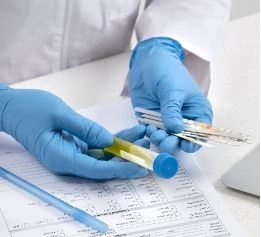
Blood is drawn from a vein, typically in the arm, using a sterile needle.
The sample is collected in a tube containing an anticoagulant, such as citrate, to prevent clotting before testing.
In the laboratory, chemicals like partial thromboplastin are added to the blood.
The clotting reaction is initiated, and the time it takes for the blood to clot is measured.
This time is compared to normal values to detect clotting abnormalities.
Normal range: Typically 25–35 seconds, but may vary by lab.
Prolonged PTT: May indicate clotting disorders, factor deficiencies, or liver disease.
Shortened PTT: May suggest an increased risk of clot formation.
Medications: Heparin, antibiotics, and others.
Health conditions: Liver disease, clotting factor deficiencies.
Infections or chronic illnesses.
Mild pain or prick at the puncture site: Usually temporary.
Bruising or redness: Typically resolves in 2–3 days; cold compresses can help.
Minor bleeding: Apply pressure with gauze or cotton to stop bleeding.
Dizziness or lightheadedness: Sit and relax; drink water or juice to recover.
Less common risks:
Swelling at the puncture site (usually resolves in a few hours).
Infection (rare if proper antiseptic technique is used).
Allergic reactions to antiseptics or adhesives.
Very rare risks:
Severe bleeding.
Nerve or tissue injury.
Tips to reduce risks:
Inform your healthcare provider about medications or bleeding disorders.
Notify the medical team of any allergies.
Rest briefly after the blood draw to avoid dizziness.
Antiphospholipid syndrome: Autoimmune disorder causing faster clotting and lower aPTT.
History of blood clots: Prior clots or hypercoagulable states can result in decreased aPTT.
Anticoagulant therapy (heparin): Dose adjustments may result in temporarily lower aPTT.
IV fluids: Some components may affect clotting tests.
Pregnancy: Especially in the late stages, natural clotting changes may lower aPTT.
Intense exercise: Can temporarily reduce aPTT due to increased clotting activity.
High blood phospholipid levels can accelerate clotting and reduce aPTT.
Elevated platelets can speed up clotting.
Increased clotting proteins like prothrombin shorten clotting time.
Microclots or abnormal clotting can decrease aPTT.
Increased clotting-promoting proteins can reduce measured aPTT.
Rare inherited conditions can predispose individuals to faster clotting, lowering aPTT.
Certain cancers, like liver cancer, may increase clotting and reduce aPTT.
A low aPTT indicates faster-than-normal clotting, which may raise the risk of blood clots. Mild reductions may not be dangerous, but significant decreases require medical evaluation.
Medical evaluation: Consult a doctor to determine the cause.
Additional tests: Liver function, genetic testing, or clotting factor analysis.
Medication monitoring: Adjust doses if caused by drugs like heparin.
Preventive measures: Conditions like antiphospholipid syndrome may require anticoagulants or other interventions to reduce clot risk.
Normal range:
Adults: 25–35 seconds (may vary by lab and method).
Children: Generally similar to adults, slight variation possible.
Normal PTT:
Blood clotting system is functioning correctly.
No obvious clotting factor or platelet abnormalities.
Interpretation: If the PTT result is higher than the normal range, it means the blood takes longer than usual to clot.
Possible Causes:
Clotting factor deficiencies: For example, deficiency in Factor VIII or IX, as in hemophilia.
Medications: Such as heparin or warfarin, which are used as anticoagulants.
Autoimmune diseases: Such as lupus.
Liver diseases: Since the liver affects clotting factor production.
Vitamin K deficiency: Leading to impaired production of certain clotting factors.
Vasculitis or certain infections can also increase PTT.
Interpretation: If the PTT result is below the normal range, it means the blood clots faster than usual.
Possible Causes:
Antiphospholipid syndrome: The body produces antibodies against phospholipids, increasing clotting.
Medications: IV fluids or steroids may result in lower readings.
Pregnancy: Physiological changes during pregnancy can cause lower PTT results.
Normal result: Indicates normal blood clotting ability and no obvious clotting disorders.
High result: Further testing is needed to identify the cause, such as clotting factor analysis (C1, C2, C3, C4, Factor VIII, Factor IX, etc.), liver function tests, and medication review.
Low result: Additional tests may be required to fully evaluate the clotting system, especially if the person is at risk of excessive clotting.
Consult a doctor:
Discuss the results with a healthcare professional to interpret them based on symptoms and medical history.
Additional testing:
If the results are abnormal, the doctor may recommend tests such as Prothrombin Time (PT), clotting factor tests, or antibody analysis.
Review medications and treatment:
If you are taking anticoagulants or other medications, the doctor may adjust the dose or change treatment according to the results.
Inherited clotting disorders:
Clotting factor deficiencies (e.g., Factor VIII or IX) can increase PTT.
Hemophilia: A genetic disorder causing clotting factor deficiency, resulting in prolonged PTT.
Medication use:
Anticoagulants: Heparin or warfarin prolong PTT as part of their therapeutic effect.
Antiplatelet drugs: Some may also contribute to longer clotting times.
Health conditions:
Liver disease: Impaired production of clotting factors increases PTT.
Vitamin K deficiency: Essential for factors II, VII, IX, X; deficiency prolongs PTT.
Toxins or poisoning:
Exposure to toxic chemicals can disrupt clotting and elevate PTT.
Autoimmune conditions:
Autoantibodies, as in lupus, may target clotting factors, prolonging PTT.
Other disease interactions:
Certain infections, especially those affecting the liver or blood.
Acute kidney failure may disrupt clotting, increasing PTT.
Physiological effects:
Pregnancy: Slight increase in PTT may occur, particularly in the late stages.
Other causes:
Chemical or drug toxicity affecting clotting.
Abnormal blood components or antibodies may also prolong PTT.
In some cases, both PT (Prothrombin Time) and PTT are tested.
High readings in both tests may indicate generalized clotting disorders, liver problems, or severe vitamin K deficiency.
Medical evaluation:
Consult a doctor to determine the precise cause of prolonged clotting time.
Clotting factor testing:
Additional tests may check factors like VIII or IX to identify deficiencies.
Medication review:
Inform the doctor about anticoagulants (heparin, warfarin) to adjust doses or change treatment if necessary.
Additional tests:
Liver function or autoimmune tests may be performed to pinpoint the cause of elevated PTT.