

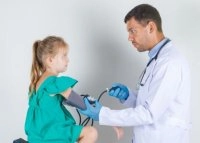
High blood pressure affects 95% of children of similar gender, age and height. The younger the child, the more likely it is that high blood pressure is caused by a medical condition. Older children may suffer from high blood pressure for reasons similar to those affecting adults, such as being overweight, malnutrition and lack of physical activity. In this article, we will Dalili Medical, learn about the symptoms of high blood pressure in your child and ways to treat it, to avoid worsening this potentially serious health problem.
What is the normal blood pressure for children by age group?
- Infants (1 to 12 months): Blood pressure ranges between 72-104 / 37-56 mmHg, and the respiratory rate is 30-53 breaths per minute.
- Children from 1 to 2 years: Blood pressure ranges between 86-106 / 42-63 mmHg, and the respiratory rate is 22-37 breaths per minute.
- Children from 3 to 5 years: The pressure ranges between 89-112 / 46-72 mmHg, and the respiratory rate is 20-28 breaths per minute.
**What is high blood pressure in children?**
Blood pressure is considered high in children when the child's blood pressure level is equal to or higher than the 95th percentile compared to his peers of the same age, sex, and height. High blood pressure can in some cases lead to damage to the blood vessels, heart, and brain due to excessive blood flow to the blood vessels.
**When is blood pressure considered high in children?**
- Stage I (mild) high blood pressure: ranges from 130/80 to 139/89.
- Stage II high blood pressure: 140/90 or higher.
**What is the treatment for high blood pressure in children?**
In cases of severe high blood pressure, medications such as clonidine, hydralazine, erazidipine, or minoxidil may be used by mouth. Children with either of these types of high blood pressure should be treated under the supervision of a specialist or a doctor with experience in managing this condition in children.
**Types of high blood pressure in children**
High blood pressure in children is divided into two main types:
. **Essential (essential) hypertension** Essential hypertension occurs spontaneously, without any clear cause. Its most prominent signs are genetic factors or health problems related to the child's excess weight, high cholesterol levels, or eating large amounts of salt.
. **Secondary hypertension** Secondary hypertension is caused by certain medical conditions, such as chronic kidney disease, disorders of the adrenal gland (which is located above the kidneys), and hyperthyroidism. It can also be the result of heart problems such as narrowing of the aorta (the artery that carries oxygen-rich blood from the heart to the rest of the body) or sleep disorders, especially obstructive sleep apnea.
**Causes of primary high blood pressure in children**
Primary hypertension is a condition characterized by high blood pressure without a clear medical cause. This condition is often due to a combination of factors, some of which are genetic and others are related to lifestyle. The most prominent of these causes are:
**Family history of the disease**Genetics play an important role in children developing high blood pressure, as some genes inherited from parents can affect how the body deals with blood flow in the arteries and kidney function, in addition to how the body processes salts. These factors are among the main factors that increase the risk of developing high blood pressure. It is important to note that having a family history of high blood pressure does not necessarily mean that children will develop the disease, but it increases the likelihood of its occurrence.
**Unhealthy lifestyle**Eating an unhealthy diet, such as eating large amounts of salt and foods rich or saturated with fat, contributes to an increased risk of developing high blood pressure in children. Being overweight is also a major factor contributing to high blood pressure.
**Smoking during pregnancy**Maternal smoking during pregnancy is considered one of the main factors that increase the risk of high blood pressure in children after birth or in later adolescence. When a pregnant woman smokes, harmful substances such as nicotine, carbon monoxide, and some other chemicals are transmitted to the fetus through the placenta, which reduces the flow of oxygen to the fetus, which negatively affects its growth and development, and increases the likelihood of high blood pressure, including high systolic blood pressure. Nicotine can also affect the developing blood vessels of the fetus in particular, which increases the risk of high blood pressure after birth and with age.
**Overweight or obesity** Overweight or obesity is one of the main causes and risk factors for high blood pressure in children, as excess weight is associated with changes in body functions that play a role in regulating blood pressure. The results of a study published in March 2023, in which 8 million children aged 3 to 17 years participated, showed that children who are overweight are 26% more likely to develop high blood pressure compared to their peers who are of average weight.
**Causes of Secondary Hypertension in Children**
Secondary hypertension is a type of high blood pressure that results from certain medical conditions that lead to increased blood pressure. The most prominent of these conditions and health problems are the following:
. **Cardiovascular problems and deformities**: Some congenital deformities of the heart and blood vessels can lead to multiple health problems, including high blood pressure. For example, aortic stenosis is a condition that occurs when part of the aorta is narrower than normal, as a result of the artery not developing properly during fetal growth during pregnancy.
. **Cushing Syndrome**: It is a medical condition that results from increased levels of the hormone cortisol in the body for a long period, as a result of a problemIn the adrenal gland or pituitary gland in the brain, or due to excessive use of corticosteroids. Symptoms of this syndrome include weight gain, changes in body shape, high blood pressure and blood sugar, muscle weakness, and a general feeling of fatigue.
. **Hyperthyroidism**: This is a disorder that leads to an increase in the production of thyroid hormones, which may contribute to high blood pressure.
**Chronic kidney disease:** High blood pressure is closely linked to kidney disease, as kidney damage can lead to a buildup of sodium and fluid in the body, which contributes to high blood pressure.
**Use of certain medications:** There are certain medications that may contribute to high blood pressure, especially when used excessively. These medications include: caffeine, central nervous system stimulants, and medications for treating hyperactivity and attention deficit, in addition to corticosteroids and some types of painkillers.
What are the signs of high blood pressure in children?
Most children with high blood pressure often do not show clear symptoms. However, in some cases, children may experience the following symptoms:
- Headache.
- Blurred vision.
- Dizziness and loss of balance.
- Nausea.
- Irregular heartbeat.
- Difficulty breathing.
- Vomiting.
- Nosebleeds.
**Diagnosing high blood pressure in children**
To accurately diagnose high blood pressure in children, the doctor will perform a comprehensive evaluation based on:
. **Regular monitoring of blood pressure levels** If a child's blood pressure reading is found to be high, the American Heart Association recommends taking a series of blood pressure readings at different times, sometimes over several months, to determine whether blood pressure levels are consistently high. More than one high reading is needed to make a diagnosis.
**Assessment of risk factors** This includes obesity, and the child's and family's medical history.
. **Laboratory tests** The doctor may recommend blood tests and other laboratory tests to help determine the possible causes of high blood pressure.
**Tips to reduce high blood pressure in children**
Although in some cases it may be difficult to prevent high blood pressure in children due to genetic factors or birth defects, the factors causing this increase can be reduced by following some guidelines and tips, such as: **Following a balanced diet**: It is recommended to keep the child's weight within normal rates by encouraging him to eat a diet rich in fruits and vegetables, while reducing the amounts of sugar and fat, in addition to reducing sodium consumption in foods.
. **Increasing physical activity and exercise**: Sports activities, such as walking and cycling, contribute to stimulating blood circulation and reducing weight, which reduces the risk of high blood pressure, especially in children who suffer from obesity.
. **Avoid taking medications without medical supervision**: It is preferable not to give children any medications without medical advice, as some medications may increase the risk of health problems, including high blood pressure.
**Contacting a doctor**: It is necessary to consult a doctor if you notice any signs or indicators that indicate high blood pressure in children, or if the child suffers from any abnormal symptoms.
**Treatment of high blood pressure in children**
Treatment of high blood pressure in children is based on a group of treatments, including:
**Pharmacological treatments**
- **Calcium channel blockers** These drugs relax the child's blood vessels by preventing the production of a natural chemical that causes blood vessels to narrow.
- **Angiotensin-converting enzyme (ACE) inhibitors** These inhibitors help relax blood vessels and increase blood flow to the heart.
- **Diuretics** These drugs help get rid of excess fluids in the body, including sodium, which leads to lowering blood pressure.
- **Angiotensin receptor blockers** These drugs work to block the effects of a chemical in the blood that causes blood vessels to narrow.
**. Home remedies**High blood pressure in children can be treated by changing lifestyle and following some home remedies. It is essential to maintain the child's ideal weight and follow a healthy diet that focuses on whole grains, fruits, and low-fat protein sources such as fish and legumes, while reducing sugar consumption. The amount of salt in the child's diet should also be reduced, as reducing salt helps control blood pressure.

