
Published on: 2025-11-09 | Written by: Dr Abdul Hamid Khalif in Ophthalmology
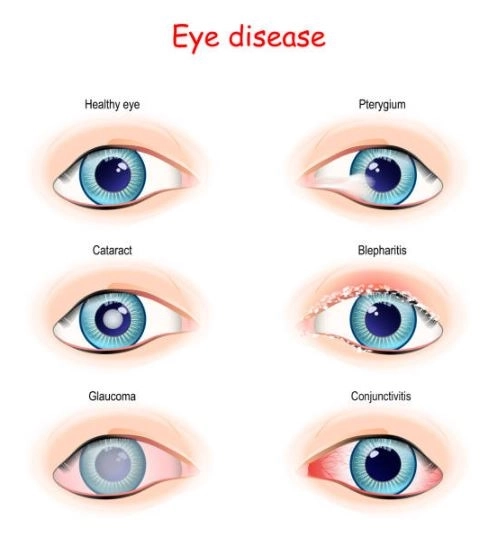
Chronic eye diseases are among the most significant health issues affecting quality of life. They include a range of conditions that require continuous monitoring and precise medical care, such as glaucoma, diabetic retinopathy, chronic cataracts, and chronic optic nerve inflammation.
The causes of chronic eye diseases are varied and include:
Genetic factors that increase the risk of certain eye conditions.
Chronic illnesses like diabetes and high blood pressure, which affect the eye’s blood vessels.
Aging, which increases the likelihood of cataracts or retinal degeneration.
Chronic injuries or infections that damage eye tissues.
Dr. Abdel Hamid Khalif emphasizes that early recognition of these factors helps in prevention and reduces disease complications.
Key signs that require medical attention include:
Partial or gradual loss of vision.
Blurred vision or seeing flashing lights.
Frequent eye pain or headaches related to vision.
Difficulty distinguishing colors or contrasts.
Dr. Abdel Hamid Khalif notes that regular monitoring of symptoms enables early intervention and improves the chances of successful treatment.
Diagnosis relies on advanced medical tests, including:
Fundus and retinal examinations to evaluate blood vessels.
Intraocular pressure measurement for early detection of glaucoma.
OCT scans to visualize retinal layers and detect subtle damage or changes.
Dr. Abdel Hamid Khalif confirms that accurate diagnosis is the first essential step in determining the appropriate treatment plan for each patient.
Treatment options vary depending on the type of disease:
Medications, such as eye drops to reduce pressure, or drugs to treat inflammation and improve blood flow.
Surgery or laser treatments for chronic cataracts or glaucoma.
Intraocular injections to treat diabetic retinopathy or internal eye bleeding.
Dr. Abdel Hamid Khalif stresses that adherence to treatment and regular follow-ups are essential for treatment success and preserving vision.
Schedule regular eye exams, especially for those with a family history or risk factors.
Manage chronic conditions such as diabetes and high blood pressure.
Maintain a healthy lifestyle with proper nutrition and regular exercise.
Protect eyes from prolonged sun exposure using protective eyewear.
Dr. Abdel Hamid Khalif emphasizes that early prevention and regular medical supervision help avoid complications and maintain long-term eye health.