Retinal surgeries and microscopic eye surgery are among the most advanced medical procedures in ophthalmology, providing effective solutions for a wide range of retinal problems, including retinal detachment, tears, and internal eye bleeding. These procedures help patients restore vision and prevent complications that could lead to permanent vision loss.
What is Microscopic Retinal Surgery?
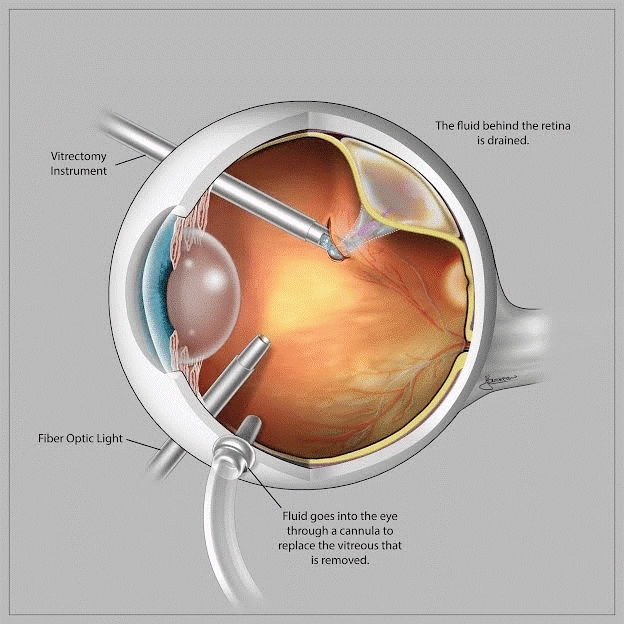
Microscopic retinal surgery is a precise technique using extremely delicate surgical instruments under a medical microscope to repair retinal damage and remove fluid or bleeding inside the eye. Dr. Abdel Hamid Khalif confirms that this surgery requires high expertise and meticulous skill to ensure effective results and vision improvement without causing complications.
Reasons for Retinal Surgery
Retinal detachment or tears.
Diabetic retinopathy and internal eye bleeding.
Retinal holes or fibrosis due to aging or injuries.
Genetic disorders or chronic infections affecting the retina. Dr. Abdel Hamid Khalif explains that accurately identifying the cause of the problem helps in selecting the optimal treatment for each individual case.
Techniques in Retinal Surgery
Microscopic surgery (Vitrectomy): Removes vitreous affected by blood or inflammation and precisely repairs the retina.
Laser retinal therapy: Used to seal retinal tears and prevent detachment.
Intraocular drug injections: For treating retinal diseases such as diabetic retinopathy. Dr. Abdel Hamid Khalif emphasizes that choosing the appropriate technique depends on the nature of the problem and the patient’s condition to ensure the best results.
Advantages of Microscopic Retinal Surgery
High precision minimizes risks and preserves surrounding eye tissues.
Potential partial or full vision restoration depending on the severity of the condition.
Relatively faster recovery compared to traditional surgeries. Dr. Abdel Hamid Khalif confirms that careful post-operative follow-up plays a key role in treatment success and maintaining eye health.
Pre- and Post-Surgery Tips
Avoid medications that affect blood clotting before surgery.
Follow the doctor’s post-operative instructions, including avoiding eye strain and ensuring adequate rest.
Conduct regular check-ups to monitor retinal healing and vision stability. Dr. Abdel Hamid Khalif stresses that following these guidelines ensures optimal results and minimizes potential complications.
Retinal surgeries and microscopic eye surgery are the ideal choice for treating complex retinal problems and restoring vision safely and precisely. Dr. Abdel Hamid Khalif emphasizes that accurate diagnosis, selecting the appropriate technique, and regular medical follow-up are essential factors for surgical success, ensuring long-term eye health and quality vision.