
Published on: 2025-06-14 | Written by: Dr. Thari Abdel Halim Gheit Consultant
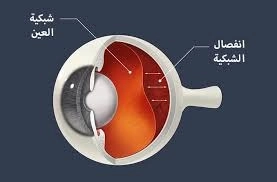
Dr. Thary Abdel Halim Ghait stresses that retinal detachment is an urgent eye condition where the retina separates from its supporting layer at the back of the eye. He explains that this condition can lead to permanent vision loss if not treated promptly and confirms that early detection is crucial to preserving sight.
Dr. Thary Abdel Halim Ghait warns that early symptoms of retinal detachment include sudden flashes of light, floaters or "spots" in the field of vision, and a sudden decrease in visual clarity. He emphasizes that any of these signs should be taken seriously and that seeing an ophthalmologist immediately is essential.
Dr. Thary Abdel Halim Ghait explains that retinal detachment may be caused by aging, eye injuries, severe myopia, or chronic conditions like diabetes. He confirms that recognizing risk factors helps with prevention and early detection to avoid serious complications.
Dr. Thary Abdel Halim Ghait stresses that regular eye examinations using ophthalmoscopy and imaging tests are the best way to detect retinal detachment before the condition worsens. He explains that early diagnosis significantly increases the success of treatment and reduces the risk of vision loss.
Dr. Thary Abdel Halim Ghait explains that surgery is the primary solution for retinal detachment and includes techniques such as:
Scleral Buckling to reposition the retina in its natural place.
Vitrectomy to remove any fluid or hemorrhage preventing retinal attachment.
Gas or silicone oil injections inside the eye to support the retina during healing.
He emphasizes that the choice of technique depends on the location and extent of the detachment and confirms that early treatment ensures the best visual outcomes.
Dr. Thary Abdel Halim Ghait warns about the importance of regular eye check-ups after age 40, especially for those with severe myopia or a history of eye injuries. He stresses that seeing an ophthalmologist immediately if symptoms like flashes of light or partial vision loss appear is critical, confirming that early intervention can save vision before irreversible complications occur.