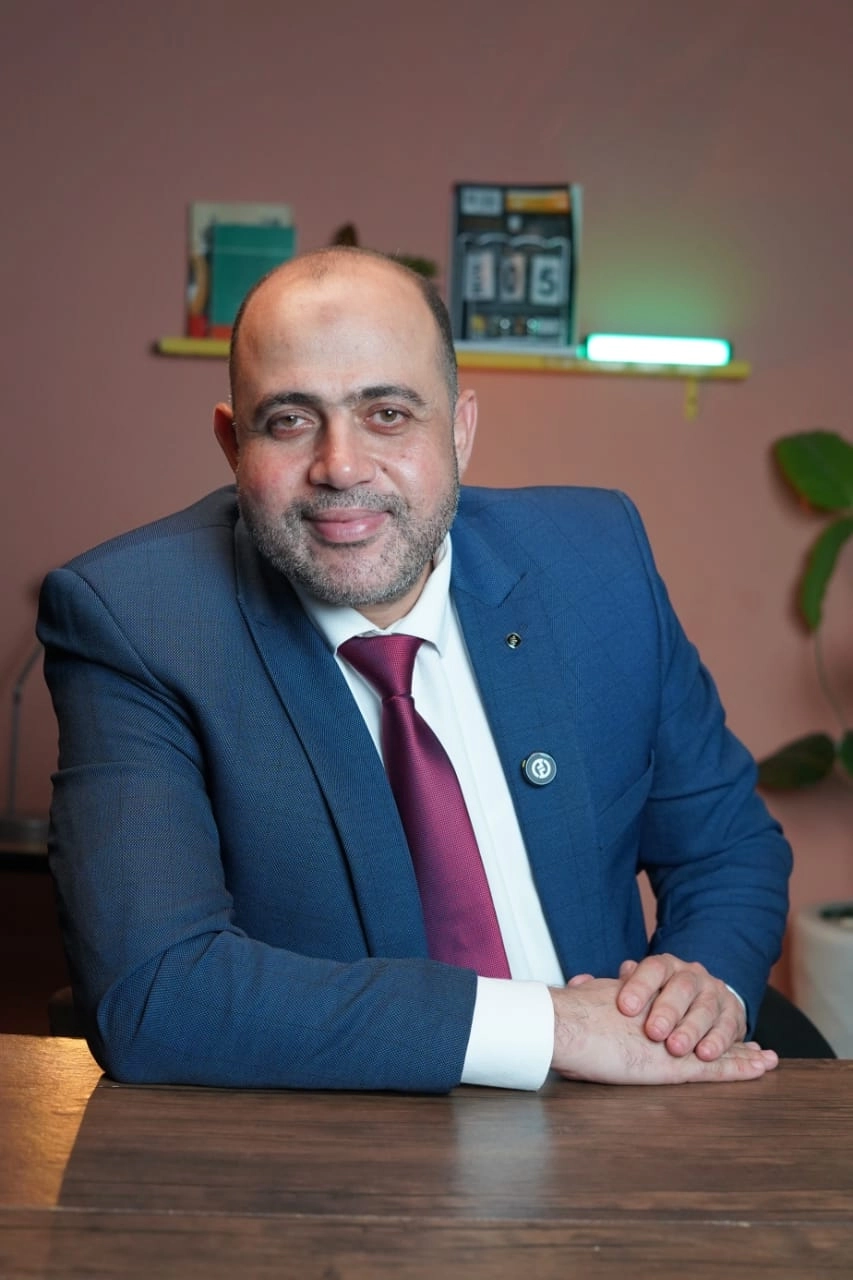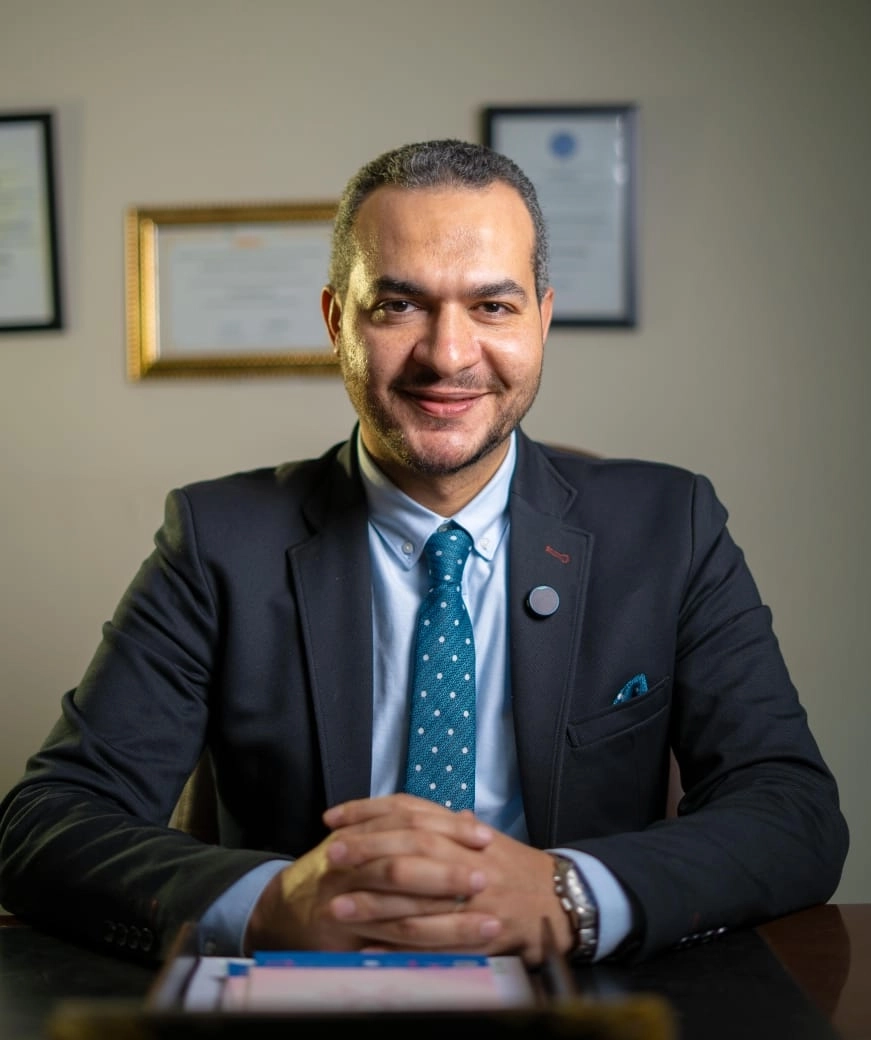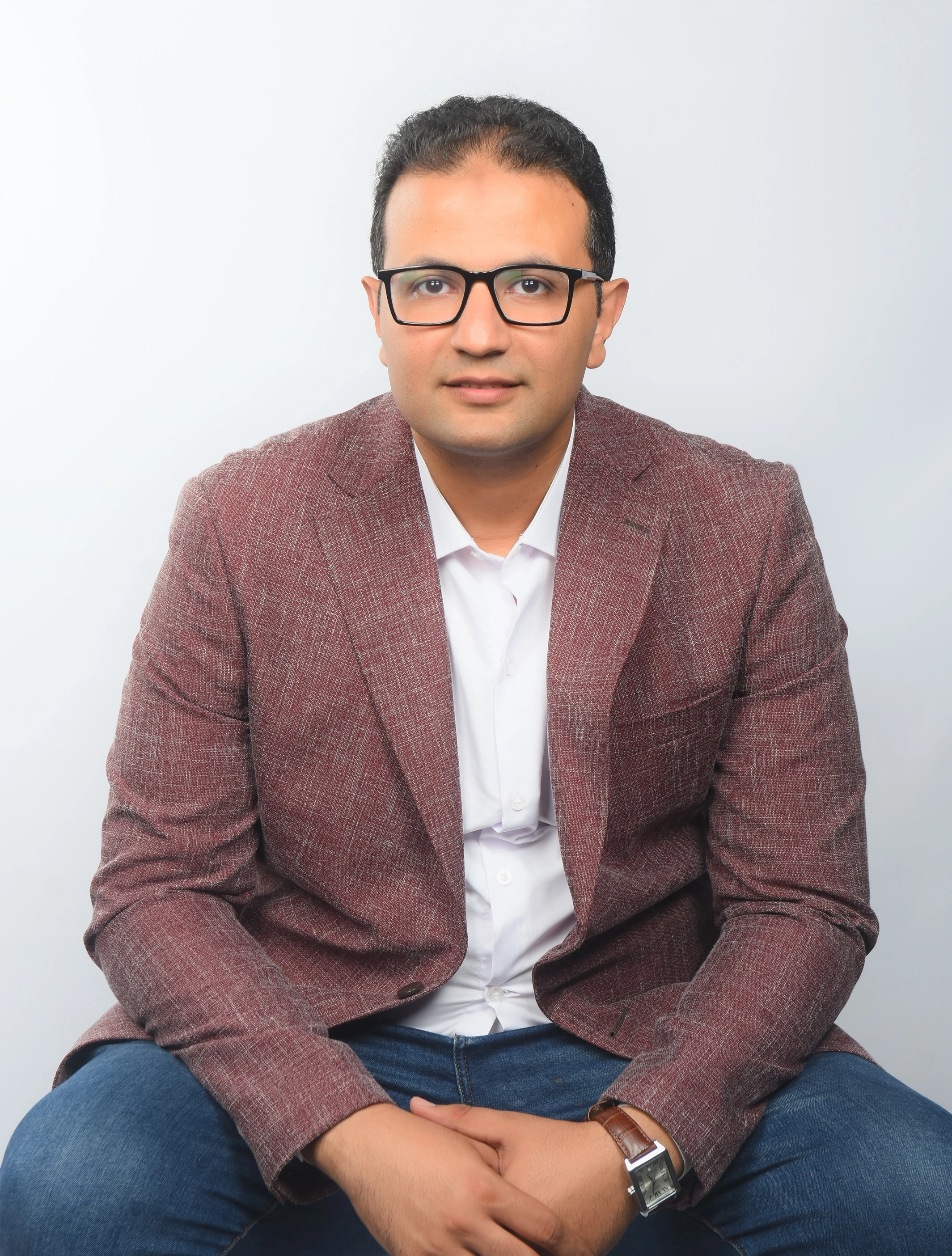

Published on: 2025-11-04 | Written by: Prof. Dr. Ashraf Balbaa, Professor of General

Professor Ashraf Belba confirms that breast reconstruction surgery is one of the most important stages in the breast cancer treatment journey. It is not only a cosmetic procedure but also a psychological and restorative step that helps patients regain balance and confidence after surgery. He emphasizes that the main goal of reconstruction is to recreate the breast in a natural and symmetrical way that provides both comfort and self-assurance.
Professor Ashraf Belba explains that breast reconstruction is a surgical procedure performed after the removal of a tumor or the entire breast to restore its shape using either the patient’s own tissue or artificial implants. He confirms that the choice of method depends on the size of the tumor, the previous surgery type, and the condition of the surrounding tissues. He also warns that careful preoperative planning is essential to achieve symmetrical and aesthetic results.
Professor Ashraf Belba emphasizes that there are two main types of breast reconstruction surgeries:
Autologous reconstruction: using the patient’s own tissue from the abdomen or back to recreate the breast.
Implant-based reconstruction: using silicone implants or tissue expanders, which are the most commonly used methods after ensuring the patient’s stability.
He explains that the selection of the appropriate technique depends on the patient’s age, general health, and desired cosmetic outcome.
Professor Ashraf Belba warns that the timing of reconstruction depends on each patient’s condition and the type of cancer treatment. In some cases, surgery can be performed immediately after tumor removal, while in others, it should be delayed until after completing radiation or chemotherapy. He emphasizes the importance of detailed consultation with the surgeon to determine the optimal timing for each patient.
Professor Ashraf Belba confirms that breast reconstruction surgery not only improves appearance but also helps patients overcome the psychological impact of breast loss. He explains that these procedures restore a woman’s sense of femininity and self-esteem, which positively contributes to her physical and emotional recovery.
Professor Ashraf Belba emphasizes the importance of regular follow-up after surgery to monitor wound healing and the health of the reconstructed tissue. He warns that patients should strictly follow medical instructions and avoid excessive physical strain to ensure the best long-term results.