
Published on: 2025-11-04 | Written by: Dr. Tamer Moussa Ibrahim, Lecturer of Eye
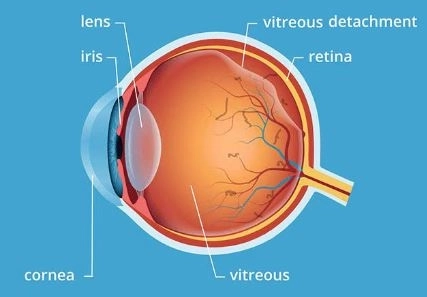
The retina is one of the most vital parts of the eye, responsible for receiving light and converting it into nerve signals sent to the brain to form images. Any damage to the retina may lead to severe vision impairment or even complete blindness.
Dr. Tamer Mousa Ibrahim stresses that retinal diseases require highly precise and timely medical intervention to preserve vision, especially in cases such as retinal detachment or vitreous hemorrhage.
Retinal and vitreous surgeries are delicate microsurgical procedures performed using advanced microscopes and ultra-fine instruments to repair damage or remove obstructions affecting the retina and vitreous body.
Dr. Tamer Mousa Ibrahim confirms that these surgeries are among the most complex and precise operations in ophthalmology, as they depend heavily on the surgeon’s skill and the use of the latest medical technologies to achieve the best visual outcomes.
Several conditions require immediate surgical intervention, including:
Retinal detachment, which causes sudden shadows or black spots in vision.
Vitreous hemorrhage, often caused by diabetic complications.
Macular hole, leading to central vision distortion.
Foreign bodies inside the eye following direct injuries.
According to Dr. Tamer Mousa Ibrahim, early diagnosis is the key to avoiding serious complications that could result in permanent vision loss.
Retinal surgeries have advanced significantly in recent years, allowing for micro-incision vitrectomy surgery (MIVS) without the need for sutures—minimizing pain and accelerating recovery.
Dr. Tamer Mousa Ibrahim emphasizes that modern systems, such as 3D visualization and precision-guided laser technology, have revolutionized the field, making it possible to manage even the most complex cases with exceptionally high success rates.
Some of the key advantages of modern retinal surgeries include:
Shorter operation times
Faster recovery and healing
Exceptional precision in handling delicate eye tissues
Gradual and noticeable improvement in vision post-surgery
Dr. Tamer Mousa Ibrahim notes that these advancements have made retinal surgeries safer and more effective, especially for elderly patients and those with diabetes-related eye conditions.
Before surgery, patients undergo comprehensive retinal and vitreous examinations to determine the most suitable treatment plan.
Dr. Tamer Mousa Ibrahim highlights that strict adherence to postoperative instructions is crucial, including using prescribed eye drops, avoiding bending or lifting heavy objects, and attending regular follow-up visits to ensure complete healing and stable vision.
With ongoing progress in medical technology and access to highly precise surgical devices, success rates for retinal and vitreous surgeries have reached globally high standards.
Dr. Tamer Mousa Ibrahim explains that combining cutting-edge technology with extensive clinical expertise gives patients the best opportunity to restore vision and improve their overall quality of life.