

Published on: 2025-11-02 | Written by: Dr. Ahmed Talha, Professor of Gastrointestinal
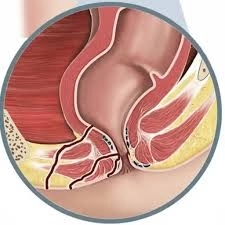
Anal, hemorrhoid, and anal fistula surgeries are important specialties within gastrointestinal and colorectal surgery. Many people experience symptoms such as pain during bowel movements, rectal bleeding, swelling, itching, and recurrent discharge. Early diagnosis helps determine the cause of the problem and select the appropriate treatment, whether medication or surgery, depending on the nature and severity of the condition.
Professor Dr. Ahmed Talha, Professor of Gastrointestinal, Colon, Cancer, Anal, and Endoscopic Surgery, provides specialized services in anal, hemorrhoid, and anal fistula surgery, in addition to his expertise in advanced laparoscopic surgery. The choice of treatment depends on a medical examination and assessment of the patient's condition, with the aim of relieving symptoms, treating the underlying cause, and reducing the risk of recurrence.
First: Hemorrhoid Surgery and the Causes of Hemorrhoids
Hemorrhoids are swollen blood vessels in the anal and rectal area. They may be internal or external, and their symptoms vary depending on their size and severity. Common contributing factors include chronic constipation, excessive straining during bowel movements, prolonged sitting, and insufficient dietary fiber intake.
Symptoms of Hemorrhoids
Symptoms vary from one person to another. Common symptoms include:
Bright red blood during bowel movements.
Pain or discomfort in the anal area.
Swelling or a lump near the anus.
Itching and irritation around the anus.
Discomfort when sitting.
Prolapse of internal hemorrhoids through the anus in advanced cases.
Rectal bleeding does not necessarily indicate hemorrhoids. A medical examination is recommended to identify the cause and rule out other conditions that may cause bleeding.
When Is Hemorrhoid Surgery Necessary?
Not all cases of hemorrhoids require surgery. Mild cases can often be managed by modifying the diet, increasing fiber and fluid intake, avoiding straining during bowel movements, and using medications prescribed by a physician.
Advanced cases, or those that do not respond to conservative treatment, may require medical procedures or surgery. Treatment options include procedures such as rubber band ligation for suitable internal hemorrhoids, conventional surgery, or other techniques selected according to the patient's condition.
Professor Dr. Ahmed Talha provides hemorrhoid and anal surgery services, assessing the severity of each case and selecting the appropriate treatment method.
Second: Anal Fistula and Its Causes
An anal fistula is an abnormal passage that forms between the inside of the anal canal and the skin surrounding the anus. It often develops following an anal abscess caused by inflammation or infection of the glands in the anal area.
An anal fistula may cause persistent discharge and recurrent infections. It usually does not heal on its own, so specialist assessment is needed to determine its path, extent, and relationship to the muscles responsible for bowel control.
Symptoms of an Anal Fistula
Common symptoms include:
Pus or blood draining from a small opening near the anus.
Recurrent swelling or abscesses in the same area.
Pain, especially when sitting or during bowel movements.
Skin irritation and itching around the anus.
An unpleasant odor caused by discharge.
Fever when an infection or associated abscess is present.
Severe pain, increasing swelling, or fever requires prompt medical assessment because these symptoms may indicate an abscess that needs treatment.
Treatment Methods for Anal Fistulas
Treatment often involves surgery because medication alone is generally insufficient to close the fistula permanently. The surgeon determines the appropriate procedure based on the fistula's location, depth, and relationship to the anal sphincter muscles.
Surgical options include:
Fistulotomy: The fistula tract is opened in suitable cases, while taking care to preserve the muscles responsible for bowel control.
Seton placement: A special surgical thread may be used in selected cases to allow drainage, control inflammation, or form part of a treatment plan.
Sphincter-preserving techniques: Selected procedures aim to treat the fistula while reducing the risk of affecting bowel control.
Treatment of an associated abscess: An abscess may require surgical drainage, followed by an appropriate plan for treating any associated fistula.
Anal fistula treatment requires surgical expertise and careful assessment. Choosing an inappropriate procedure may increase the risk of recurrence or problems with bowel control.
Third: Anal Fissures and the Difference Between Fissures, Hemorrhoids, and Fistulas
An anal fissure is a small tear in the lining of the anal canal, often associated with constipation and the passage of hard stools. It may cause sharp pain during bowel movements that continues afterward, sometimes accompanied by a small amount of bright red blood.
An anal fissure differs from hemorrhoids and fistulas in its nature and treatment:
Hemorrhoids: Swollen blood vessels in the anal and rectal area.
Anal fistula: An abnormal passage connecting the anal canal to the surrounding skin.
Anal fissure: A tear in the lining of the anal canal.
Acute anal fissures may improve with medication, stool softening, and dietary changes. Chronic fissures that do not respond to treatment may require additional procedures or surgery, as determined by the physician.
Fourth: Modern Techniques in Anal, Hemorrhoid, and Anal Fistula Surgery
Advances in anal surgery have expanded diagnostic and treatment options. The choice of technique depends on the type and severity of the condition and the patient's overall health, rather than using one technique for every case.
Important considerations when selecting treatment include:
Identifying the type and severity of the condition through medical examination.
Selecting the appropriate procedure for the hemorrhoids or fistula tract.
Minimizing pain and complications as much as possible.
Preserving the muscles responsible for bowel control.
Reducing the risk of recurrence by choosing appropriate treatment.
Determining the expected recovery period and follow-up plan.
No single technique is best for every patient. Some cases respond to nonsurgical procedures, while others require conventional surgery or specialized surgical techniques.
Professor Dr. Ahmed Talha provides anal, hemorrhoid, and anal fistula surgery services as part of his specialty in gastrointestinal, colon, cancer, anal, and endoscopic surgery. Treatment plans are selected according to the diagnosis and the patient's condition.
Fifth: How to Prepare for Anal Surgery
Preparation depends on the type of surgical procedure and the patient's medical condition. The physician may request certain tests, review current medications, and provide instructions about fasting or bowel preparation if required for the planned procedure.
Important preoperative recommendations include:
Informing the physician about all medications, especially blood thinners.
Disclosing any chronic illnesses or medication allergies.
Following instructions regarding food and drink before surgery.
Avoiding rectal medications or preparations without medical advice.
Understanding the procedure and the expected recovery period.
Following medical instructions helps patients prepare properly and may reduce surgery-related risks.
Sixth: Recovery After Hemorrhoid and Anal Fistula Surgery
Recovery time varies depending on the type of surgery and the complexity of the condition. Some pain or discomfort may occur during the first few days and can be managed with prescribed medications and appropriate home care.
Important recommendations after surgery include:
Eating fiber-rich foods to help prevent constipation.
Drinking adequate water unless medically advised otherwise.
Avoiding excessive straining during bowel movements.
Using prescribed laxatives or pain relievers when necessary.
Keeping the area clean according to the surgeon's instructions.
Attending follow-up appointments to assess wound healing.
Avoiding heavy lifting and strenuous activities until cleared by the physician.
Seek medical attention if severe bleeding, fever, increasing pain, difficulty urinating, or unusual discharge occurs.
Seventh: Preventing Hemorrhoids and Other Anal Conditions
Healthy habits can help reduce the risk of hemorrhoids and recurring symptoms by promoting regular bowel movements and reducing pressure on the anal area.
Key preventive measures include:
Eating fiber-rich vegetables, fruits, and whole grains.
Drinking water regularly according to individual health needs.
Avoiding delaying bowel movements when the urge occurs.
Avoiding prolonged sitting on the toilet.
Engaging in regular physical activity.
Managing chronic constipation in consultation with a physician.
Not ignoring rectal bleeding, pain, or recurrent discharge.
Anal fistulas cannot always be prevented, particularly when associated with a previous abscess or infection. Early assessment and appropriate treatment of abscesses are therefore important.