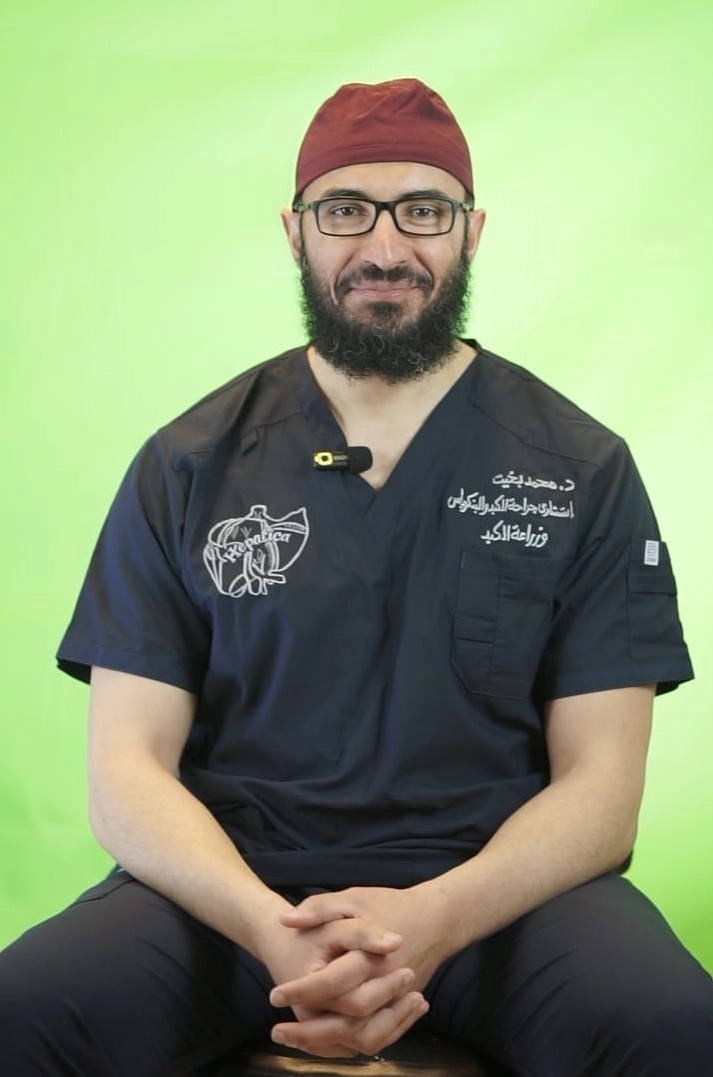

Published on: 2025-11-02 | Written by: Dr. Ahmed Talha, Professor of Gastrointestinal

Gastrointestinal and colon surgery is an important medical specialty concerned with diagnosing and treating diseases affecting the digestive system, including the esophagus, stomach, small intestine, colon, rectum, and anus. These conditions may require medical treatment or surgical intervention, depending on their type and severity. Professor Dr. Ahmed Talha specializes in gastrointestinal, colon, cancer, anal, and endoscopic surgery, with extensive experience in advanced laparoscopic surgery and morbid obesity surgery.
What Is Gastrointestinal and Colon Surgery?
Gastrointestinal and colon surgery includes a range of procedures designed to treat diseases affecting the digestive tract. Surgery may be necessary in cases of tumors, intestinal obstruction, severe inflammation, or conditions that do not respond to medication.
Modern surgical techniques aim to treat the underlying condition while preserving healthy tissue as much as possible and helping patients recover safely.
Colon Surgery and the Treatment of Colon Diseases
Colon surgery is performed to treat several conditions that may affect the large intestine, including:
Colon cancer: Surgery may be required to remove the tumor and the affected part of the colon, depending on the stage and location of the disease.
Intestinal obstruction: Surgery may be necessary when an obstruction prevents the normal passage of intestinal contents.
Diverticular disease: Certain complications, such as severe inflammation or perforation, may require surgical treatment.
Severe inflammatory bowel conditions: Some cases may require surgery when complications develop or medical treatment is insufficient.
Colon polyps: Some polyps can be removed during colonoscopy, while others may require surgical intervention depending on their size, type, and location.
The appropriate treatment depends on an accurate diagnosis, the patient's overall health, and the nature of the condition.
Gastrointestinal Tumor Surgery
Gastrointestinal tumors may develop in different parts of the digestive system, including the stomach, small intestine, colon, and rectum. Treatment depends on the type of tumor, its location, and whether it is benign or malignant.
Surgical treatment may involve removing the tumor and, when necessary, the surrounding affected tissues or lymph nodes. The treatment plan may also include other therapies according to the patient's condition and the recommendations of the medical team.
Early diagnosis can help identify the most appropriate treatment options and improve the chances of successful management.
Advanced Laparoscopic Surgery
Laparoscopic surgery is a modern surgical technique performed through small incisions using a camera and specialized instruments. It may be used for selected gastrointestinal and colon procedures.
Potential benefits include:
Smaller surgical incisions.
Less postoperative pain in many cases.
Reduced wound-related complications in appropriate patients.
Shorter hospital stays in some procedures.
Faster return to daily activities compared with certain open surgeries.
However, laparoscopic surgery is not suitable for every patient. The surgeon determines the most appropriate technique based on the diagnosis, the complexity of the condition, and the patient's medical history.
Colon Resection Surgery
Colon resection is a procedure in which part of the colon is removed to treat certain diseases, such as colon cancer, complicated diverticular disease, or intestinal obstruction.
After removing the affected section, the surgeon may reconnect the healthy ends of the intestine when appropriate. In some cases, a temporary or permanent stoma may be necessary, depending on the patient's condition and the type of surgery.
Preoperative assessment and postoperative follow-up are important to support recovery and monitor for possible complications.
Anal and Rectal Surgery
Anal and rectal surgery treats several conditions that can cause pain, bleeding, swelling, or difficulty during bowel movements. These conditions include:
Hemorrhoids.
Anal fissures.
Anal fistulas.
Certain rectal conditions and tumors.
Selected cases of rectal prolapse.
Treatment varies according to the condition and its severity. Some cases can be managed with medication and lifestyle changes, while others require surgical intervention.
Seeking medical advice when symptoms persist or recur can help establish the correct diagnosis and prevent complications.
Tests Before Gastrointestinal and Colon Surgery
Before surgery, the doctor may recommend several tests to assess the patient's condition and determine the most appropriate procedure. These may include:
Blood tests.
Colonoscopy or other endoscopic examinations.
Ultrasound or computed tomography (CT), when indicated.
Additional imaging studies according to the suspected condition.
An assessment of the patient's general health and suitability for anesthesia.
Not every patient needs all these tests. The required investigations depend on the diagnosis and the planned procedure.
How to Prepare for Gastrointestinal Surgery
Preparation depends on the type of surgery and the patient's medical condition. The doctor may recommend:
Following specific instructions regarding food and drink before surgery.
Taking bowel preparation medication when required.
Reviewing current medications, especially blood thinners.
Informing the medical team about chronic conditions, allergies, and previous surgeries.
Completing the required preoperative tests.
Patients should follow their surgeon's instructions carefully and should not stop prescribed medication without medical advice.
Recovery After Gastrointestinal and Colon Surgery
Recovery time varies according to the type of operation, the surgical technique, and the patient's overall health.
Following surgery, patients may need to:
Follow the recommended diet and gradually return to normal eating.
Drink sufficient fluids, according to medical advice.
Walk and resume movement gradually as recommended.
Keep the surgical wound clean and follow wound-care instructions.
Attend scheduled follow-up appointments.
Follow instructions regarding medication and physical activity.
Severe abdominal pain, persistent vomiting, fever, significant bleeding, or other concerning symptoms require prompt medical assessment.
When Should You Consult a Gastrointestinal and Colon Surgeon?
You should seek medical evaluation if you experience persistent abdominal pain, recurrent rectal bleeding, a significant change in bowel habits, unexplained weight loss, or symptoms suggestive of intestinal obstruction.
Sudden severe abdominal pain, heavy bleeding, or an inability to pass stool or gas accompanied by abdominal swelling and vomiting may indicate an emergency and require immediate medical attention.
Early evaluation can help identify the cause of symptoms and determine whether medication, further investigations, or surgery is needed.