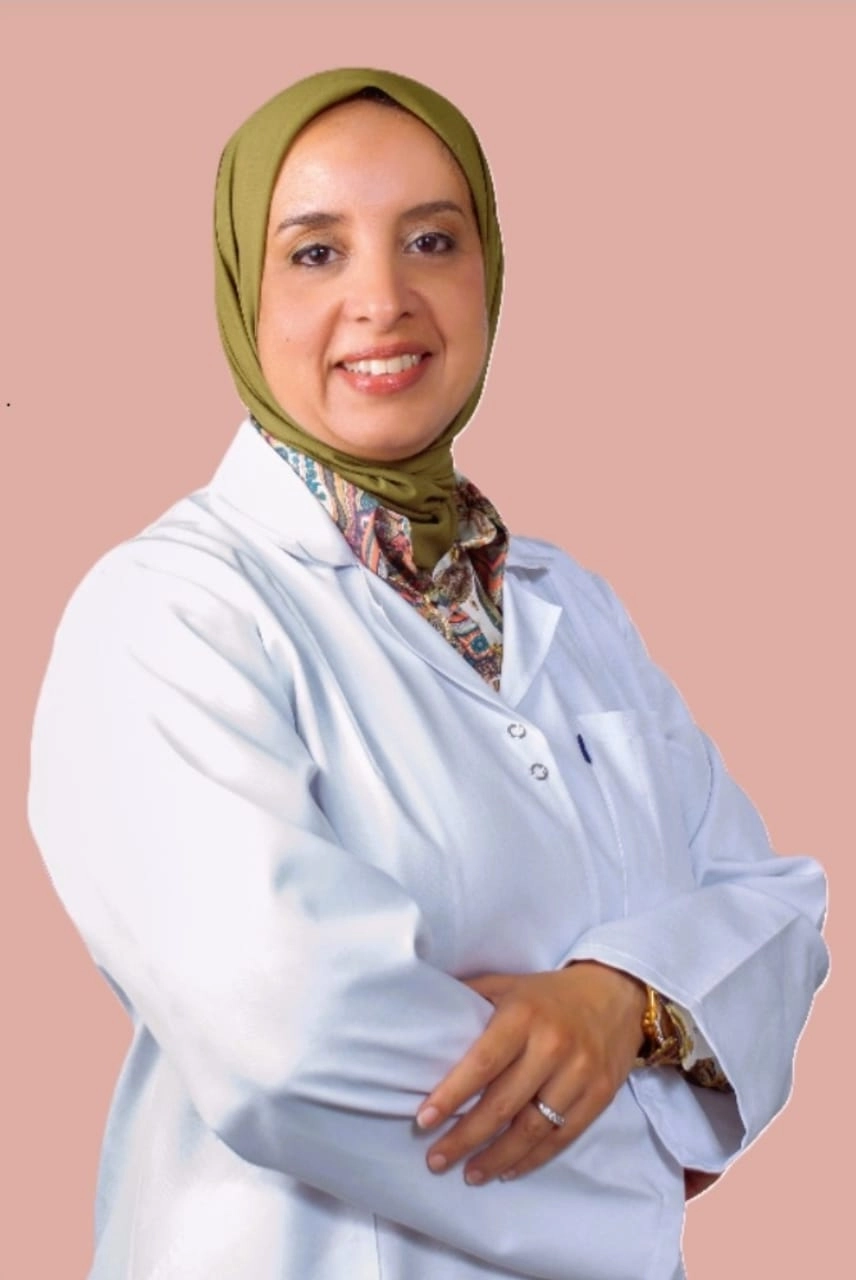

Published on: 2025-10-28 | Written by: Dr. Duaa Shaker Amin, Rehabilitation
Dr. Doaa Shaker Amin, Consultant and Head of the Department of Rehabilitation, Rheumatology, and Physical Medicine, stresses that joint osteoarthritis and tendon inflammation are among the most common causes of chronic movement pain. She confirms that early diagnosis and proper rehabilitation can prevent complications and maintain a good quality of life.
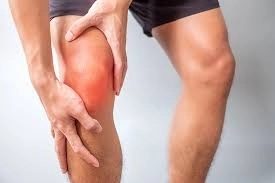
Dr. Doaa Shaker Amin explains that osteoarthritis is a gradual erosion of the cartilage covering the ends of bones within the joint, leading to painful friction and limited movement. She stresses that this condition is not limited to the elderly—it can also affect young adults due to obesity, repeated injuries, or lack of physical activity.
She warns that symptoms may start mildly—such as morning stiffness or pain when climbing stairs—but can worsen over time if not properly treated and rehabilitated early.
Dr. Doaa Shaker Amin confirms that the causes are multiple, including genetic factors, sports injuries, obesity, and poor nutrition, as well as prolonged sitting or standing. She stresses that early detection is essential to prevent cartilage deterioration, as neglecting the condition can lead to chronic inflammation and joint stiffness.
Dr. Doaa Shaker Amin clarifies that tendon inflammation is an inflammation of the fibrous tissue that connects muscles to bones, usually caused by overuse, repetitive movements, or poor posture.
She warns that key symptoms include localized pain, swelling, and movement weakness, and that it is often confused with muscle or joint pain. Therefore, she stresses the importance of using neuromuscular ultrasound to accurately identify the source of pain.
Dr. Doaa Shaker Amin emphasizes that diagnostic and interventional neuromuscular ultrasound is one of the most advanced tools for assessing muscular and joint conditions. It allows doctors to visualize muscles and tendons in motion, helping pinpoint inflammation or tears with high accuracy.
She explains that this modern technology helps in creating a precise treatment plan and avoiding unnecessary or incorrect therapies.
Dr. Doaa Shaker Amin confirms that treatment is not limited to medication; it involves a comprehensive plan including physical therapy, strengthening exercises, manual therapy, and therapeutic nutrition, as well as ultrasound-guided interventional procedures for chronic cases.
She stresses that consistent follow-up and gradual rehabilitation help restore natural movement and significantly reduce pain.
Dr. Doaa Shaker Amin warns that prevention starts with maintaining a healthy weight, exercising regularly, and avoiding sudden or repetitive strain.
She clarifies that commitment to physical therapy and personalized exercise programs under professional supervision is the key to preventing complications and extending joint function.
Dr. Doaa Shaker Amin stresses that joint osteoarthritis and tendon inflammation can be effectively managed through early diagnosis, targeted physical therapy, and the use of neuromuscular ultrasound. She warns that delaying treatment may lead to loss of movement and worsening joint function, and therefore advises patients to seek professional consultation as soon as symptoms appear.