

Published on: 2025-10-28 | Written by: Dent Shine Dr. Ahmed Gamal Hussein
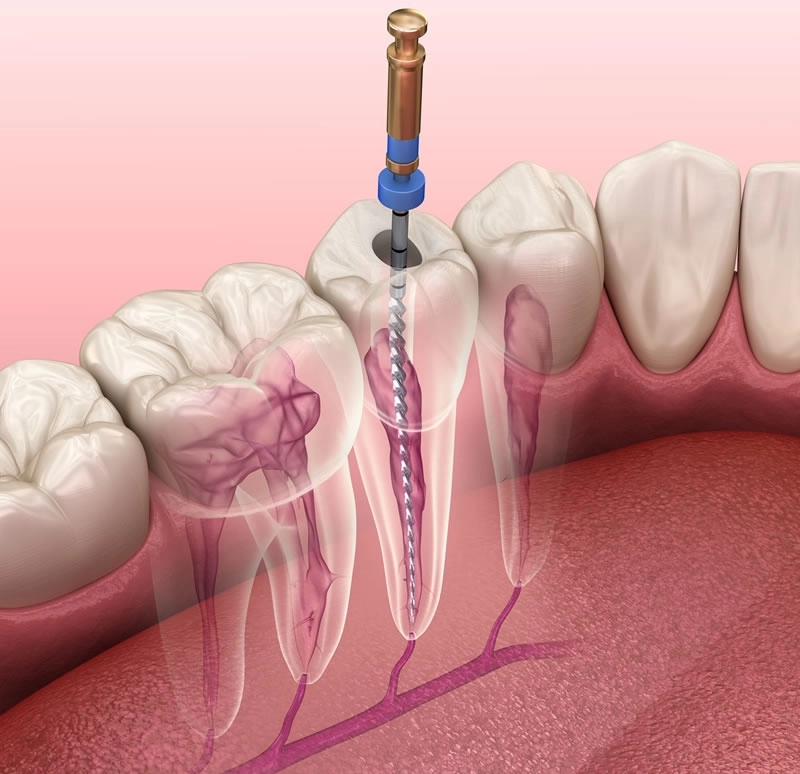
What Is Complex Root Canal Treatment?
Complex root canal treatment is an important dental procedure that aims to treat inflammation and problems affecting the dental pulp, the inner part of the tooth that contains nerves and blood vessels. Patients may need this type of treatment when they have severe nerve inflammation, an infection inside the root canals, or difficulty accessing and thoroughly cleaning the canals.
Root canal treatment helps preserve the natural tooth instead of extracting it by removing infected tissue, cleaning the internal canals, and filling them with specialized materials to help prevent the infection from returning.
Causes of Complex Root Canal Problems
Several factors may lead to complex root canal problems, including:
Deep tooth decay that reaches the dental pulp.
Dental pulp inflammation caused by bacteria and infection.
An abscess around the tooth roots.
Recurrent inflammation after previous root canal treatment.
Narrow or curved root canals that are difficult to treat.
Tooth fractures or injuries that affect the dental nerve.
Incomplete cleaning or inadequate sealing of the root canals during previous treatment.
Symptoms of Root Canal Problems
Symptoms of root canal inflammation may vary from person to person. The most common signs that require a dental visit include:
Severe or persistent toothache.
Increased pain when chewing or applying pressure to the tooth.
Persistent sensitivity to hot or cold drinks.
Swelling of the gum surrounding the affected tooth.
The appearance of swelling or an abscess near the tooth roots.
Tooth discoloration in some cases.
Recurrent pain in a tooth that has previously undergone root canal treatment.
Some root canal infections may develop without noticeable pain. Therefore, a dental examination and X-rays can help detect the problem and determine the appropriate treatment.
Steps Involved in Complex Root Canal Treatment
Complex root canal treatment depends on the condition of the tooth, the severity of the inflammation, and the shape of the root canals. The main steps include:
Dental Examination: The dentist evaluates the condition of the tooth and gums and may request X-rays to assess the root structure and determine the extent of the infection.
Local Anesthesia: Local anesthesia is used to reduce discomfort during the procedure.
Accessing the Root Canals: The dentist creates an opening in the tooth to reach the affected canals.
Cleaning the Canals: Infected tissue is removed, and the canals are cleaned using specialized instruments and solutions to reduce bacteria.
Shaping and Filling the Canals: The canals are prepared and then filled with suitable materials to help prevent bacterial leakage.
Restoring the Tooth: The tooth is sealed with an appropriate filling. A dental crown may be needed to protect the tooth and restore its function, depending on its condition.
Root Canal Retreatment After Previous Treatment Failure
In some cases, pain or inflammation may persist after root canal treatment, or the infection may return after a period of time. This may occur because a canal was previously missed, some canals were difficult to clean, or bacteria entered the tooth due to an inadequate restoration or seal.
The dentist may recommend root canal retreatment, which involves removing the previous filling materials, cleaning the canals again, and refilling and sealing them. In certain cases, surgery around the root tip may be considered if conventional treatment is insufficient to preserve the tooth.
The Importance of Preserving Natural Teeth
Complex root canal treatment helps patients retain their natural teeth and maintain their chewing function. It also helps preserve the alignment of the teeth and may reduce the need for extraction and dental replacements.
The likelihood of successful treatment depends on the condition of the tooth, the extent of the infection, the quality of canal cleaning and sealing, and proper restoration after treatment.
Tips After Root Canal Treatment
To help maintain the treated tooth, the following recommendations are advised:
Avoid chewing on the treated tooth if it has a temporary filling or requires a permanent restoration.
Maintain daily oral hygiene by brushing with toothpaste and using dental floss.
Attend follow-up appointments scheduled by the dentist.
Complete the final restoration of the tooth at the appropriate time.
Do not delay a dental visit if pain returns or gum swelling develops.
Do not take antibiotics or painkillers without appropriate medical advice.
When Should You Visit a Dentist?
You should visit a dentist if pain persists, gum swelling develops, chewing becomes painful, or symptoms return after root canal treatment. If swelling is accompanied by difficulty swallowing or breathing, seek emergency medical care immediately.
Early diagnosis and choosing the appropriate treatment are important factors in preserving teeth and reducing complications. The dentist determines the most suitable procedure based on the examination, X-rays, and the condition of the root canals.
Complex Root Canal Treatment at Dent Shine Center
Dr. Ahmed Gamal Hussein, Specialist in Endodontics and Cosmetic Dentistry, provides dental services at Dent Shine Center in Ibrahimia, Alexandria, along with orthodontic and cosmetic dentistry services.