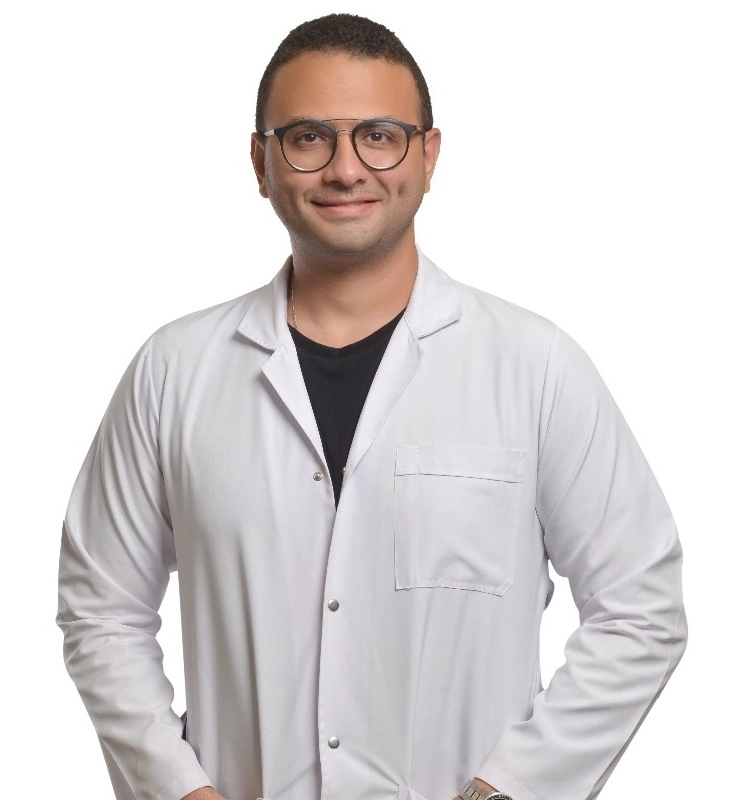

Published on: 2025-10-26 | Written by: Qasim Dent Dr. Sami Ramadan Qasim Dentistry
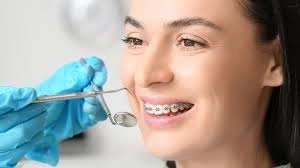
Orthodontic Treatment is one of the most vital medical specialties in dentistry and oral surgery. Its benefits extend beyond aesthetic enhancement and achieving a symmetrical smile; they also encompass improving essential oral functions such as chewing and speech, as well as maintaining the health of the gums and temporomandibular joints. With significant technological advancements, orthodontics is no longer limited to children and teenagers—it has become a successful and effective treatment option for all ages, from children and young adults to seniors.
Orthodontic treatment aims to align teeth, correct crowding or protrusion, and address mechanical imbalances in the upper and lower jawbones.
Dr. Sami Ramadan clarifies that the prevailing belief that orthodontics is exclusively for children is entirely false. The tissues and bone surrounding the teeth retain the capacity to respond to guided orthodontic pressure and alter their alignment at any age, provided the gums and supporting structures are in good health.
Correcting Jaw Occlusion: Treating open bites, crossbites, or deep bites.
Facilitating Teeth and Gum Cleaning: Improved alignment reduces the accumulation of tartar and bacteria between crowded teeth.
Relieving Pressure on the Temporomandibular Joint (TMJ): Reducing head and neck pain caused by malocclusion.
Improving Chewing and Speech Functions: Correcting articulation and enabling efficient food mastication.
Boosting Self-Confidence: Achieving an attractive, harmonious smile that enhances overall aesthetic appearance.
Orthodontic goals and treatment modalities vary based on patient age and the stage of bone development.
Dr. Sami Ramadan points out that early screening for children around age seven allows for preventive intervention to guide jaw growth without surgery, whereas adult orthodontics focuses on precisely moving teeth to address functional and cosmetic concerns while accounting for appearance during treatment.
Childhood (Preventive Pediatric Orthodontics): Utilizing jawbone growth phases to correct narrowness or severe protrusion using specialized appliances.
Adolescence (Comprehensive Fixed Braces): The ideal phase for rapid tissue response and teeth alignment following the eruption of permanent teeth.
Adults and Seniors: Focusing on discreet, clear solutions to correct crowding or spacing and preparing the mouth for implants or restorations.
A variety of orthodontic options are available today to suit every patient's needs and lifestyle.
Dr. Sami Ramadan advises that selecting the type of braces should be based on an accurate medical diagnosis and patient preference, noting that clear aligners and self-ligating braces have revolutionized treatment by reducing duration and enhancing patient comfort compared to traditional methods.
Traditional Metal Braces: The most common and robust option for treating complex cases and severe protrusions.
Ceramic Braces: Clear or tooth-colored brackets that offer a more discreet appearance.
Clear Aligners (Invisalign): Sequential, removable clear trays that can be taken out during eating and teeth cleaning.
Lingual Braces: Custom brackets attached to the inner surfaces of the teeth, making them completely hidden.
Self-Ligating Braces (Damon Braces): Technology that reduces friction, allowing faster tooth movement with lighter pressure and less discomfort.
Orthodontic treatment follows sequential steps to ensure optimal results and long-term stability.
Dr. Sami Ramadan stresses that patient adherence to oral hygiene instructions and avoiding hard or sticky foods accounts for half the success of treatment, protecting brackets from detachment and preventing gum inflammation that could delay progress.
Use Orthodontic Brushes and Water Flossers: Regularly clean around brackets and wires after every meal.
Avoid Hard and Sticky Foods: Refrain from eating nuts, chips, gum, and hard foods to prevent bracket breakage.
Adhere to Periodic Adjustment Appointments: Visit the orthodontist regularly for wire changes and progressive tightening.
Use Orthodontic Wax: Minimize irritation to oral mucous membranes during the initial days following wire adjustments.
Retention Phase (Orthodontic Retainers): Wear retainers (fixed internal wires or clear removable trays) diligently to prevent teeth from drifting back to their original positions.
Follow-Up After Debonding: Schedule regular check-ups to verify bite stability and gum health.
Daily Oral Hygiene Maintenance: Keep teeth and gums healthy to preserve aesthetic outcomes.
Maintain Ongoing Follow-Ups with Your Specialist:
Dr. Sami Ramadan emphasizes in his concluding advice that orthodontic treatment is a long-term investment in a person's health and quality of life. Starting treatment at any age—combined with strict adherence to medical guidance and retainer wear—guarantees a healthy, strong, and radiant smile that lasts a lifetime.