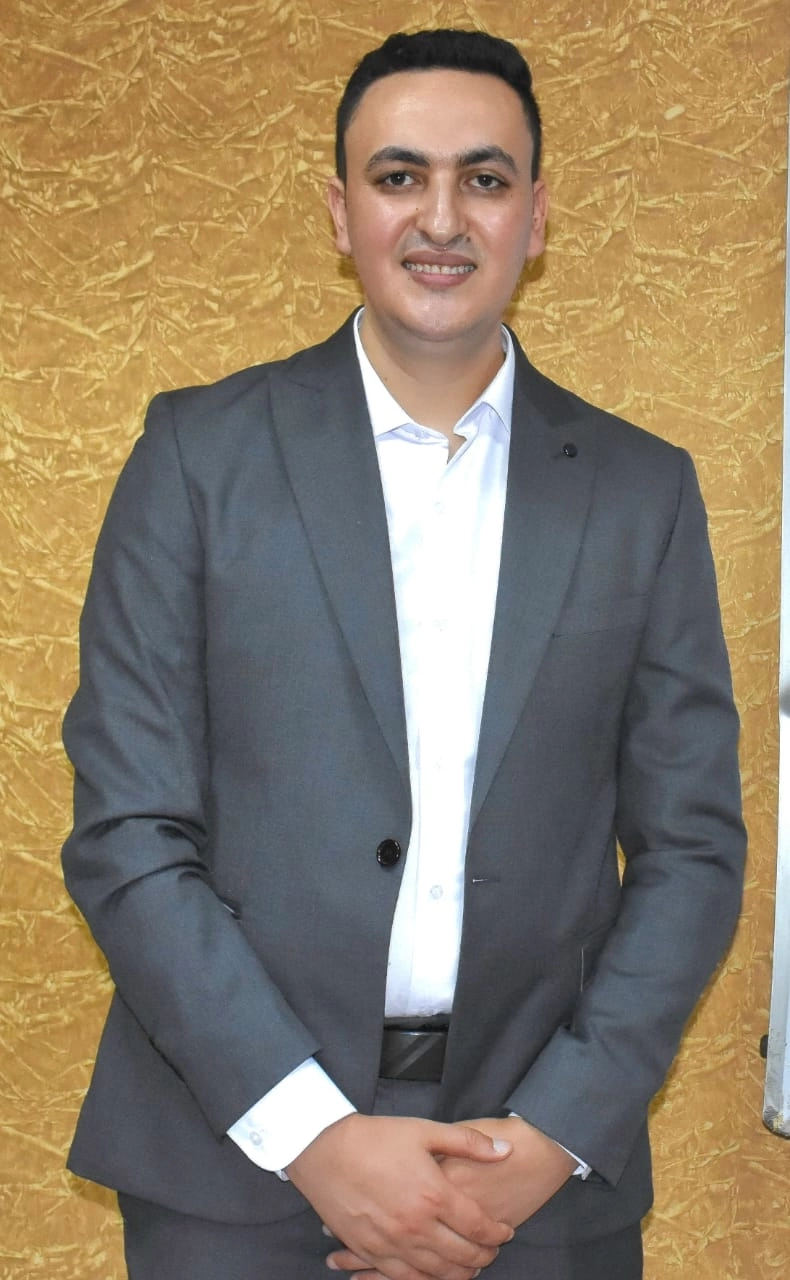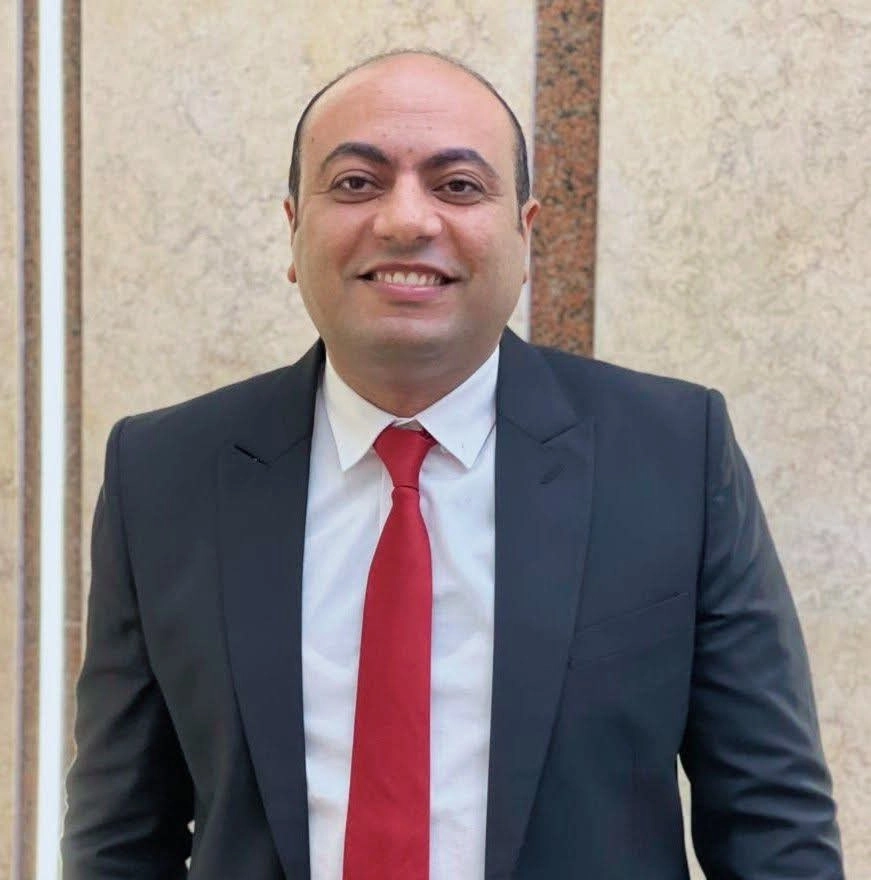

Published on: 2025-10-23 | Written by: Dr. Mohamed Ibrahim Sholah, Vascular Surgery Consultant
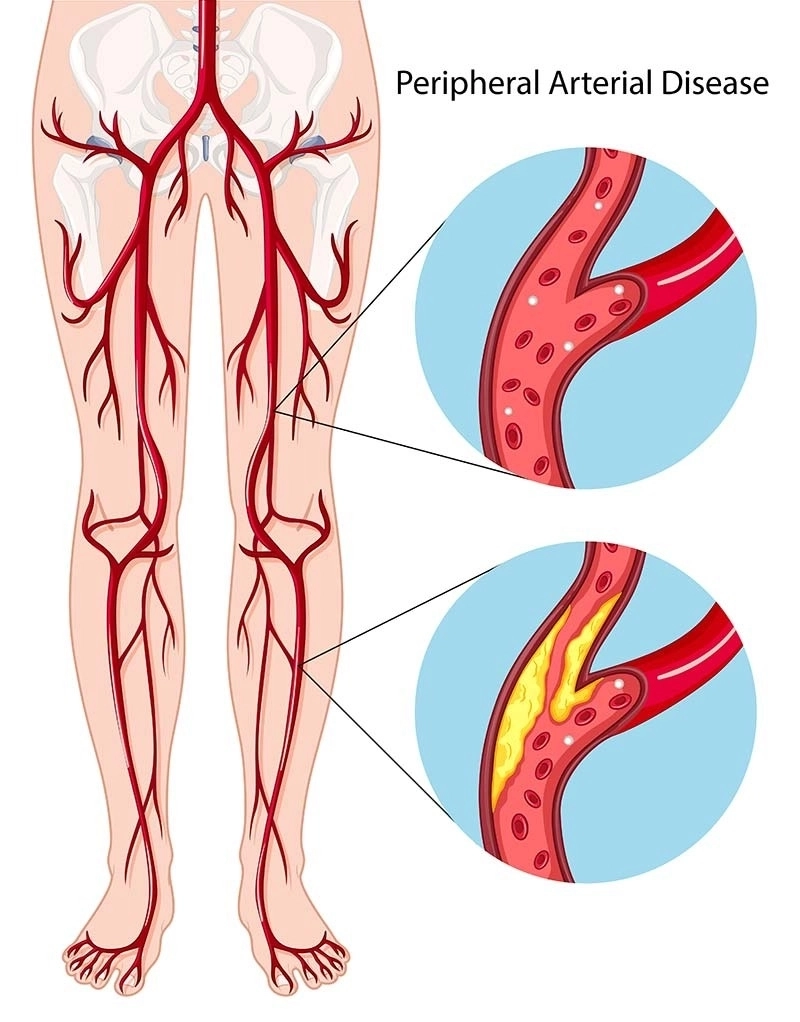
Peripheral Artery Disease (PAD) is a serious vascular condition resulting from the deposition of fat and cholesterol (atherosclerosis) on the inner walls of blood vessels that supply the extremities, particularly the legs and feet. This narrowing reduces the flow of oxygenated blood and essential nutrients to the muscles and tissues, leading to severe pain during walking and diminished mobility. The danger of PAD extends beyond pain; if left untreated, it threatens the viability of the affected limb.
PAD is a condition affecting the arteries responsible for pumping blood away from the heart toward the extremities, most commonly caused by plaque buildup inside the arterial lumen.
Dr. Mohamed Ibrahim Shouleh clarifies that the primary goal of treating peripheral artery disease is not merely symptom relief. It aims to restore natural tissue perfusion, prevent clot formation, and protect the extremities from ulcers or gangrene that could necessitate major surgical interventions.
Restoring Natural Blood Flow: Opening narrowed or occluded arteries to deliver oxygen to tissues.
Alleviating Intermittent Claudication Pain: Enabling patients to walk longer distances without pain or cramping.
Preventing Severe Complications: Preventing chronic ulceration and tissue necrosis (gangrene).
Reducing Cardiovascular Risks: Lowering the likelihood of heart attacks and strokes associated with systemic atherosclerosis.
Multiple factors increase the likelihood of developing peripheral atherosclerosis and arterial lumen narrowing.
Dr. Mohamed Ibrahim Shouleh points out that smoking is the primary enemy of peripheral arteries. Nicotine causes blood vessel constriction and damages the endothelial lining, making it the most prominent risk factor for accelerated disease progression in both men and women.
Persistent Smoking: Doubles the risk of atherosclerosis and decreases blood oxygen efficiency.
Diabetes Mellitus: Chronic hyperglycemia damages both microvascular and macrovascular structures.
Hypertension and High LDL Cholesterol: Cause arterial wall damage and lipid accumulation.
Advanced Age and Severe Obesity: Reduced arterial elasticity and increased strain on the circulatory system.
Sedentary Lifestyle: Poor peripheral circulation and lack of muscle activation.
Treatment plans vary based on disease stage and the extent of arterial occlusion, ranging from lifestyle modifications and medications to advanced endovascular techniques.
Dr. Mohamed Ibrahim Shouleh advises early reliance on modern endovascular interventions, such as balloon angioplasty and stenting, emphasizing that they offer a safe, effective alternative to traditional open surgery with significantly faster recovery times.
Pharmacological Management and Lifestyle Changes:
Antiplatelet Medications: (e.g., Aspirin) To prevent blood clot formation within narrowed arteries.
Vasodilators and Flow Promoters: To enhance blood delivery to peripheral tissues.
Lipid-Lowering, Antihypertensive, and Antidiabetic Drugs: To halt the progression of atherosclerosis.
Endovascular Angioplasty and Stenting:
Inserting a thin catheter through the femoral artery to dilate the narrowed segment with a medical balloon and placing a mesh stent to keep the artery open.
Surgical Interventions (Vascular Bypass Surgery):
In cases of severe occlusion, creating a detour for blood flow using a synthetic or natural vein graft to bypass the blocked segment.
Healthy daily habits play a vital, complementary role in the success of medical treatments and the preservation of arterial health.
Dr. Mohamed Ibrahim Shouleh stresses that practicing regular walking according to a structured, gradual program helps stimulate the growth of new collateral blood vessels, which nourish muscles and relieve claudication pain.
Complete Smoking Cessation: The single most critical step to halt vascular deterioration.
Regular Daily Walking: Starting with short distances and gradually increasing to improve peripheral circulation.
Meticulous Foot Care: Washing, drying, and inspecting feet daily for wounds, while wearing comfortable orthopedic footwear to prevent ulcers.
Adopting a Heart-Healthy Diet: Increasing vegetable and fruit intake while reducing saturated fats and sodium.
Strict Control over Blood Pressure and Blood Sugar: Regularly monitoring vital statistics.
Periodic Peripheral Vascular Screening: Performing routine Duplex ultrasound examinations to assess blood flow.
Prompt Response to Warning Signs: Consulting a physician immediately if sudden, severe pain, extreme coldness, or blue/pale discoloration of the foot occurs.
Strict Adherence to Prescribed Medication: Never discontinuing blood thinners without medical advice.
Maintain Ongoing Follow-Ups with Your Specialist:
Dr. Mohamed Ibrahim Shouleh emphasizes in his concluding advice that peripheral artery disease requires high awareness and immediate attention. Early detection, commitment to advanced treatment plans, and adopting a healthy lifestyle guarantee that patients protect their limbs, preserve mobility, and enjoy sustainable health and well-being.