
Published on: 2025-10-23 | Written by: Dr. Mohamed Ibrahim Sholah, Vascular Surgery Consultant
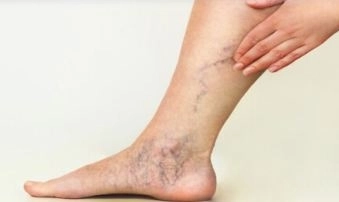
Varicose Veins are a common health and cosmetic issue resulting from weakened or damaged one-way valves inside the superficial veins. When these valves lose their ability to pump blood upward toward the heart against gravity, blood pools inside the veins, causing them to dilate, twist, and bulge under the skin as dark blue or purple strands. With monumental advancements in vascular medicine, non-surgical laser treatment for varicose veins has become the gold standard alternative to traditional open surgery, offering unmatched precision, safety, and rapid recovery.
Laser varicose vein treatment, known medically as Endovenous Laser Ablation (EVLA), relies on introducing an ultra-thin laser fiber into the diseased vein under ultrasound guidance (Doppler). Focused thermal laser energy is then delivered to collapse and seal the vein wall completely from within. Over time, the body naturally absorbs the closed vein tissue, eliminating the need for surgical vein stripping.
Dr. Mohamed Ibrahim Shouleh clarifies that endovascular laser technology represents a genuine breakthrough in varicose vein management. It frees patients from the pain and large incisions of traditional surgery, allowing them to return to their normal daily activities on the very same day with extreme precision and without visible surgical scars.
Permanently Sealing Diseased Veins: Rerouting blood flow toward healthy deep veins to ensure optimal circulatory efficiency.
Eliminating Pain and Heavy Leg Sensations: Relieving heaviness, nocturnal cramps, and severe aching in the legs.
Preventing Advanced Complications: Avoiding superficial blood clots, phlebitis, and chronic venous ulcers.
Exceptional Cosmetic Results: Restoring the natural appearance of the leg free from bulging, twisted veins.
Symptoms of varicose veins develop gradually over time and are influenced by genetic factors and daily lifestyle habits.
Dr. Mohamed Ibrahim Shouleh points out that prolonged standing or sitting due to work demands is one of the primary triggers for developing varicose veins. He emphasizes that early diagnosis via Duplex ultrasound prevents disease progression and accurately maps out the affected veins.
Bulging and Twisted Veins: Prominent blue veins visible on the skin surface (resembling spider webs or cord-like bulges).
Persistent Leg Heaviness and Fatigue: Particularly after standing for long periods or at the end of the day.
Ankle and Foot Swelling: Resulting from fluid retention and impaired venous drainage.
Skin Itching and Burning: Tingling sensations or skin irritation directly over the affected vein.
Risk Factors: Genetics, recurring pregnancies, obesity, and advanced age.
Patients undergo structured medical steps ensuring the highest standards of safety and comfort throughout the procedure.
Dr. Mohamed Ibrahim Shouleh advises conducting a thorough circulatory assessment prior to starting. He notes that the procedure is typically performed under local tumescent anesthesia or light sedation without general anesthesia, usually taking only 30 to 45 minutes per session.
Vein Mapping and Pathway Marking: Imaging the veins with ultrasound and precisely marking entry points.
Tumescent Local Anesthesia: Injecting a fluid anesthetic around the vein to protect surrounding tissues and absorb heat.
Laser Fiber Insertion: Threading the slender laser catheter through a tiny pinhole that requires no surgical sutures.
Delivering Laser Energy and Catheter Withdrawal: Gradually sealing the vein as the fiber is carefully pulled back at a calculated rate.
Applying Medical Compression Stockings: Wrapping the leg and fitting a specialized compression garment immediately following the procedure to ensure permanent vein closure.
Laser technology is characterized by a very short and comfortable recovery period compared to traditional surgery.
Dr. Mohamed Ibrahim Shouleh stresses the importance of early movement and light walking immediately after the procedure. Muscle contractions help stimulate deep circulation and prevent blood pooling, while strict adherence to wearing compression stockings according to medical instructions remains essential.
Early and Regular Walking: Walk for 20 to 30 minutes daily to stimulate blood flow.
Adhere to Compression Stocking Use: Wear them for the recommended duration (typically during daytime hours) to minimize swelling and accelerate healing.
Avoid Prolonged Static Standing or Sitting: Shift positions and avoid remaining motionless for extended hours during the first week.
Refrain from Hot Baths and Saunas: Avoid high-temperature water for a short period to prevent remaining micro-vessels from dilating.
Take Mild Analgesics When Needed: To manage any mild tightness in the leg, which resolves spontaneously.
Manage Body Weight: Maintain a healthy weight to reduce pressure on lower extremity veins.
Exercise Regularly: Engage in activities that strengthen calf muscles and enhance venous pumping efficiency.
Avoid Long Periods of Sitting or Cross-Legged Postures: Change positions and move periodically during desk work.
Maintain Ongoing Follow-Ups with Your Specialist:
Dr. Mohamed Ibrahim Shouleh emphasizes in his concluding advice that treating varicose veins with laser without surgery has revolutionized vascular care. Early diagnosis, selecting modern techniques, and committing to preventive care guarantee long-term relief from pain and cosmetic concerns, ensuring healthy, strong legs for life.