
Published on: 2025-10-19 | Written by: Dr. Karim Mohamed Ramadan Consultant of Oncology
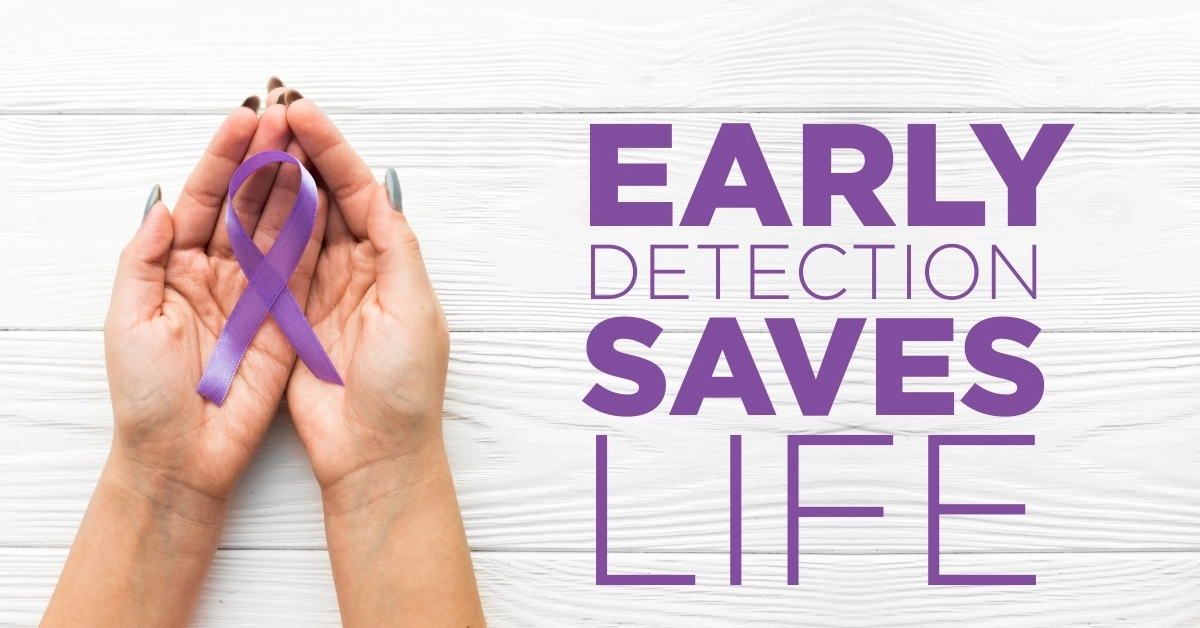
Early detection of tumors is one of the most important factors that contribute to better treatment outcomes and higher recovery rates.
Dr. Karim Mohamed Ramadan emphasizes that discovering a tumor at an early stage gives doctors the opportunity to use less complex and more effective treatment methods, which greatly improves the patient’s quality of life and chances of full recovery.
Dr. Karim Mohamed Ramadan explains that early diagnosis is the key to complete recovery because tumors can be controlled before they spread to other organs.
He stresses that many cancers – such as breast, colon, and lung cancers – often show no clear symptoms in their early stages, which makes regular screening and preventive checkups absolutely essential.
Thanks to major medical advancements, detecting tumors has become faster and more accurate.
Dr. Karim Mohamed Ramadan points out that modern imaging tools such as MRI, CT scans, and PET scans, along with blood tests for tumor markers, have greatly improved the ability to detect cancer before symptoms appear.
These technologies help doctors design precise and personalized treatment plans for each patient.
Dr. Karim Mohamed Ramadan confirms that health awareness is the first line of defense against cancer.
Maintaining a healthy diet, exercising regularly, avoiding smoking, and undergoing routine checkups—especially for those with a family history of cancer—are essential steps for prevention and early detection.
Dr. Karim Mohamed Ramadan clarifies that the role of an oncologist goes beyond treatment; it also involves educating and closely monitoring the patient.
Each case is approached individually, with great attention given to psychological support and patient education to ensure the best possible response to therapy.
In conclusion, Dr. Karim Mohamed Ramadan strongly emphasizes that early cancer detection is the first and most crucial step toward effective treatment and saving lives.
With continuous medical progress, growing awareness, and regular follow-ups, it is now possible to significantly reduce the risks of cancer and achieve remarkable treatment outcomes.