
Published on: 2025-10-11 | Written by: Dr. Muhammad Ali Harfoush, PhD in Orthopedics
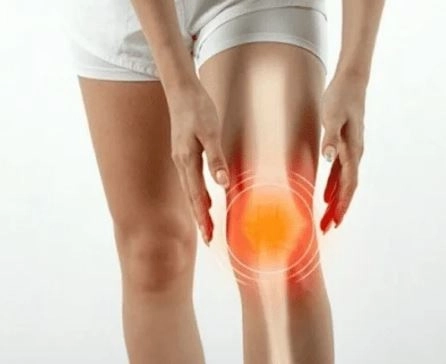
Joint osteoarthritis and inflammation are among the most common conditions affecting adults and the elderly. They lead to cartilage erosion, joint stiffness, and pain during movement.
Dr. Mohamed Ali Harfoush emphasizes that early diagnosis and proper treatment can effectively stop the progression of osteoarthritis and restore mobility and comfort — often without the need for advanced surgical interventions.
Osteoarthritis is a degenerative condition that affects the smooth cartilage covering the ends of bones within a joint, leading to direct friction between bones during movement.
Dr. Mohamed Ali Harfoush explains that several factors contribute to its development, including:
Aging and natural wear and tear.
Obesity and excessive body weight.
Overuse or repeated injuries.
Genetic predisposition.
Deficiency of essential nutrients such as vitamin D and calcium.
He further confirms that prevention begins with maintaining a healthy weight, staying active, and avoiding prolonged sitting or standing.
According to Dr. Mohamed Ali Harfoush, symptoms vary depending on the affected joint — such as the knee, hip, or shoulder — but typically include:
Pain that worsens with movement or effort.
Morning stiffness or stiffness after long rest periods.
Swelling and redness around the joint during active inflammation.
Difficulty climbing stairs or walking long distances.
He stresses that ignoring these symptoms may lead to severe joint damage and make treatment more challenging later on.
Dr. Mohamed Ali Harfoush confirms that osteoarthritis management is not limited to painkillers; it involves a comprehensive treatment plan that includes:
Anti-inflammatory medications to reduce swelling and pain.
Nutritional supplements such as glucosamine and chondroitin to support cartilage health.
Physical therapy and exercises to strengthen the muscles surrounding the joint.
Use of warm or cold compresses depending on the case.
He explains that regular physiotherapy sessions significantly improve joint flexibility and restore normal movement over time.
Dr. Mohamed Ali Harfoush points out that medical advances have introduced many non-surgical options for managing osteoarthritis, including:
Platelet-Rich Plasma (PRP) injections to stimulate tissue repair and regeneration.
Hyaluronic acid injections to lubricate the joint and reduce friction.
Stem cell therapy in selected advanced cases to improve cartilage quality.
He emphasizes that these innovative approaches help reduce pain, enhance mobility, and delay the need for surgery.
Dr. Mohamed Ali Harfoush clarifies that surgery is considered a last resort when all other treatment options fail.
In severe cases, procedures may include:
Arthroscopic joint cleaning to remove damaged tissue.
Total joint replacement with an artificial implant to restore movement and relieve chronic pain.
He stresses the importance of choosing an experienced orthopedic surgeon and maintaining close follow-up after surgery for the best results.