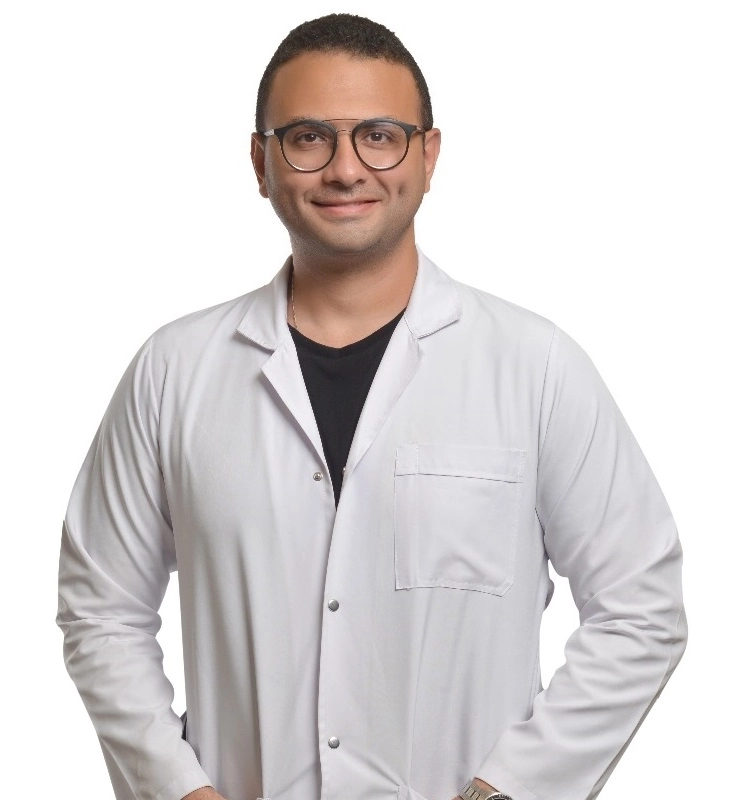

Published on: 2025-10-11 | Written by: Dr. Nasr Abdel Zaher Amara, Orthodontic

Preventive orthodontics for children is one of the most important branches of modern dentistry. It aims to intervene early to guide the proper growth of the jaws and teeth before major problems appear that might require complex treatments later.
Dr. Nasser Abdel Zaher Amara emphasizes that this type of orthodontics is a proactive step to maintain natural harmony between the mouth and jaws, preventing crowding or abnormal tooth protrusion.
Preventive orthodontics refers to a set of procedures performed during early childhood to monitor the development of baby and permanent teeth using simple or removable orthodontic appliances.
Dr. Nasser Abdel Zaher Amara stresses that the goal of this approach is not only cosmetic, but also to correct harmful oral habits such as:
Thumb sucking
Mouth breathing
Incorrect tongue posture
If left untreated, these habits can cause abnormal growth of the jaws and teeth.
Dr. Nasser Abdel Zaher Amara highlights that early dental checkups are the key to discovering problems at the right time.
He recommends that the first orthodontic evaluation should take place between the ages of 6 and 7, when permanent teeth begin to emerge. At this stage, it becomes possible to assess jaw relationships and guide proper growth.
Early intervention can help avoid the need for fixed braces or surgical corrections in the future.
According to Dr. Nasser Abdel Zaher Amara, preventive orthodontics offers several benefits, including:
Improved breathing, tongue, and jaw posture.
Reduced risk of future tooth crowding.
Better speech development and facial aesthetics.
Increased self-confidence through a healthy, well-aligned smile.
Dr. Nasser Abdel Zaher Amara explains that the preventive orthodontic process includes several essential stages:
Comprehensive clinical examination of the teeth and jaws.
X-rays and diagnostic analysis to identify the problem.
Designing a personalized treatment plan that may include growth guidance appliances or space maintainers.
Regular follow-up visits every 3 to 6 months to monitor progress and ensure optimal results.