
Published on: 2025-10-09 | Written by: Dr. Hatem Ajur, PhD in Ophthalmology
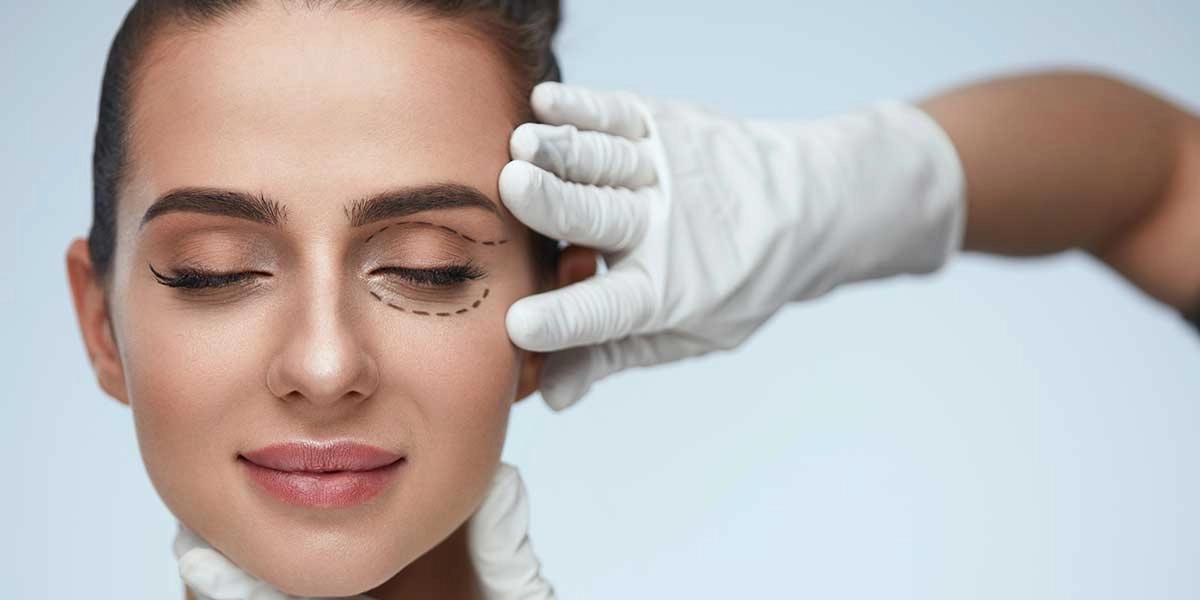
Precise eyelid cosmetic surgery is an important procedure in ophthalmology, aiming to improve the appearance of the eyelids and address certain problems that may affect the appearance or function of the eyes. These procedures may be needed due to excess skin around the eyes, fatty bags and puffiness in the eyelids, or drooping eyelids that may affect the field of vision in some cases.
Professor Major General Dr. Hatem Abdel Halim Agour, Consultant in Ophthalmology, Vision Correction, and Eyelid Cosmetic Surgery, provides specialized services in precise eyelid cosmetic surgery, focusing on evaluating the condition of the eyes and eyelids and determining the appropriate procedure according to each patient’s needs, with the aim of improving appearance while preserving eyelid function and eye safety.
What Is Precise Eyelid Cosmetic Surgery?
Eyelid cosmetic surgery includes a range of surgical procedures designed to improve the appearance of the eyelids or correct certain functional problems associated with them. These procedures may involve removing excess skin or addressing accumulated fat around the eyes. They may also correct drooping eyelids when medically necessary.
These procedures are not limited to cosmetic purposes. Certain surgeries may help improve the field of vision when excess skin on the upper eyelid obstructs part of the patient's vision.
The appropriate surgical procedure depends on the nature of the problem, the degree of skin laxity, the condition of the eyelid muscles, overall eye health, and the patient’s medical history.
Causes of Drooping Eyelids and Puffiness Around the Eyes
Several factors can cause changes in the appearance of the eyelids over time. Aging is one of the most common factors, as the skin gradually loses elasticity and supporting tissues weaken, potentially leading to excess skin or protruding fat around the eyes.
The main causes and conditions that may require an evaluation for eyelid surgery include:
Upper eyelid drooping: Caused by excess skin or weakened supporting tissues. Severe drooping may affect the field of vision.
Under-eye bags: May result from protruding fat around the eyes or age-related tissue changes.
Ptosis: Occurs when the upper eyelid falls below its normal position and may be associated with weakness of the muscles responsible for lifting it.
Asymmetry between the eyelids: May be related to natural differences in eye shape or certain muscular and skin changes.
Excess skin around the eyes: May affect the overall appearance and, in some cases, peripheral vision.
Changes resulting from previous injuries or surgeries: These may require a specialized assessment to determine the appropriate treatment.
Not every concern about eyelid appearance requires surgery. Similar symptoms may have different underlying causes, so an accurate diagnosis is essential before selecting treatment.
Upper Eyelid Cosmetic Surgery
Upper eyelid surgery addresses excess skin and certain changes that affect the appearance of the eyelid. In cases where excess skin obstructs part of the field of vision, surgery may provide functional benefits in addition to improving appearance.
Depending on the condition, the procedure involves identifying the amount of excess skin and the location of the surgical incision, removing excess tissue when necessary, and closing the incision using a technique that supports healing.
Potential goals of upper eyelid surgery include:
Reducing the appearance of excess, drooping skin.
Improving the symmetry and appearance of the eyelids.
Improving the field of vision when it is obstructed by excess skin.
Achieving a more balanced appearance in relation to the facial features.
Addressing certain types of puffiness caused by protruding fat, when appropriate.
The amount of skin and tissue that can be removed safely depends on a careful examination. Removing too much tissue may interfere with the ability to close the eyes normally.
Lower Eyelid Cosmetic Surgery
Lower eyelid surgery addresses concerns beneath the eyes, such as puffiness caused by protruding fat or excess skin and wrinkles associated with aging.
The surgeon selects the appropriate technique according to the condition of the tissues, the amount of excess fat and skin, and the health of the lower eyelid.
Potential goals include:
Reducing the appearance of fatty bags beneath the eyes.
Improving the appearance of excess skin on the lower eyelid.
Improving the transition between the lower eyelid and the cheek in suitable cases.
Achieving better balance between the upper and lower eyelids.
Not all dark circles or wrinkles can be treated through eyelid surgery. These concerns may be associated with pigmentation, skin characteristics, or other factors requiring different treatments. Lower eyelid fat treatment must also preserve the eyelid’s natural support to avoid changes in its position.
What Is the Difference Between Eyelid Cosmetic Surgery and Ptosis Surgery?
Although these terms may be used to describe related concerns, there is a medical difference between removing excess eyelid skin and correcting eyelid ptosis itself.
Eyelid cosmetic surgery: Focuses on removing or repositioning excess tissue, such as skin and fat, to improve the eyelid’s appearance or address the effect of excess skin on vision.
Ptosis surgery: Addresses the problem of an eyelid that sits lower than its normal position. It may involve adjusting the muscle responsible for lifting the eyelid or its supporting tissues.
In some cases, a patient may need both procedures. However, this depends on the cause of the problem and the findings of an examination of the eyelid, muscles, and field of vision.
Distinguishing between these conditions is important before surgery because removing excess skin alone may not correct ptosis caused by a muscular problem.
Who Is a Suitable Candidate for Precise Eyelid Cosmetic Surgery?
Eyelid cosmetic surgery may be suitable for some people who have excess skin, protruding fat, or changes in eyelid appearance, provided their general health allows them to undergo surgery and their expectations are realistic.
People who may benefit from a specialized evaluation include:
Individuals with noticeable drooping of the upper eyelids.
People with under-eye bags caused by protruding fat.
Individuals whose excess eyelid skin interferes with their field of vision.
People with ptosis who need a functional assessment.
Individuals seeking better eyelid symmetry after understanding the expected results and potential limitations.
Before surgery, the physician should assess dry eye symptoms, the ability to close the eyelids, corneal health, current medications, chronic medical conditions, and any previous eye surgeries.
Patients should also inform the physician if they have bleeding disorders or take medications that affect blood clotting. No medication should be discontinued before surgery without instructions from the treating physician.
How Is Precise Eyelid Cosmetic Surgery Performed?
The details of the procedure vary depending on the type of problem and whether the upper eyelids, lower eyelids, or both are involved. The operation usually begins with a medical assessment and planning of the incision locations and the tissues that need to be adjusted.
The main stages may include:
Preoperative examination: Assessing eyelid shape, skin elasticity, muscle function, ocular surface health, and the field of vision when necessary.
Selecting the appropriate procedure: Determining whether the problem is caused by excess skin, protruding fat, or eyelid ptosis.
Anesthesia: Selecting the type of anesthesia according to the procedure and the patient’s condition.
Treating excess tissue: Removing or repositioning excess skin or fat when necessary while preserving eyelid function.
Closing the incisions: Using an appropriate technique based on the surgical location.
Postoperative follow-up: Monitoring wound healing, reduction in swelling, and the safety and function of the eyes and eyelids.
Some eyelid procedures may be performed under local anesthesia, while more complex cases may require a different approach. The surgeon determines the details after evaluating the patient.
The Importance of Precision in Eyelid Cosmetic Surgery
Eyelid surgery requires special care because the eyelids do more than contribute to the appearance of the eyes. They play an essential role in protecting the ocular surface, distributing tears, and maintaining corneal moisture.
Therefore, the goal is not simply to remove excess skin. It is also to preserve the eyelid’s ability to close and blink normally and to avoid affecting the surface of the eye.
Important considerations when planning surgery include:
Determining how much skin can be safely removed.
Maintaining balance between the upper and lower eyelids.
Assessing any pre-existing dry eye symptoms.
Paying attention to the position and support of the lower eyelid.
Considering anatomical differences between patients.
Discussing expected results, scars, and potential risks before surgery.
These steps help establish a treatment plan tailored to each patient rather than applying the same procedure to everyone.
Is Eyelid Cosmetic Surgery Painful?
Eyelid cosmetic surgery is generally performed using anesthesia appropriate to the procedure. Patients should therefore not experience significant pain during surgery when anesthesia is administered appropriately.
After surgery, swelling or bruising around the eyes may occur, along with temporary tightness, discomfort, or dryness. The severity of these symptoms varies according to the type of surgery and the individual healing response.
The physician may prescribe appropriate treatment and provide instructions for caring for the surgical area. Patients should not use unprescribed eye drops or ointments, as some products may affect the eye or wound healing.
Severe pain, sudden changes in vision, or unusual bleeding require urgent medical evaluation.
Recovery After Precise Eyelid Cosmetic Surgery
Recovery time varies depending on the type of procedure, the extent of surgery, and the patient’s general health. Swelling and bruising are usually more noticeable during the initial period and gradually improve as the tissues heal.
General postoperative instructions may include:
Applying cold compresses according to the physician’s instructions regarding method and duration.
Using prescribed ointments or eye drops as directed.
Keeping the head elevated while resting or sleeping during the first few days if recommended.
Avoiding rubbing or putting pressure on the eyelids.
Avoiding strenuous exercise and heavy lifting until the physician approves.
Avoiding swimming and applying cosmetics around the eyes for the period specified by the physician.
Wearing sunglasses to protect the eyes from light and wind.
Attending follow-up appointments and having stitches removed if necessary.
Some patients may return to daily activities within one or two weeks, but complete resolution of swelling and stabilization of the results may take longer. The physician determines when it is appropriate to return to work and normal activities based on the patient’s recovery.
What Are the Possible Complications of Eyelid Cosmetic Surgery?
Like any surgical procedure, eyelid cosmetic surgery may involve complications. The likelihood of these complications varies according to the procedure, eye condition, and surgical circumstances.
Possible complications include:
Bleeding or infection.
Swelling and bruising.
Dry eye or irritation.
Difficulty closing the eyes completely.
Minor differences in eyelid symmetry.
Scarring or changes in skin pigmentation.
Changes in eyelid position, particularly in the lower eyelid.
Blurred or double vision in some cases.
The need for additional corrective surgery.
Rare complications that may affect vision.
Following postoperative instructions and contacting the physician promptly if severe pain, bleeding, or deterioration in vision occurs are important parts of postoperative care.
Are the Results of Eyelid Cosmetic Surgery Permanent?
The results of eyelid cosmetic surgery may last for many years, but surgery does not stop the natural aging process. New changes in the skin and surrounding tissues may develop over time.
The longevity of the results depends on several factors, including skin characteristics, age, genetics, lifestyle, and the type of surgery performed.
Patients should maintain realistic expectations and understand that the goal is to improve the appearance or function of the eyelids according to their condition, not to completely change their facial features or guarantee the disappearance of all wrinkles and dark circles.
The Difference Between Eyelid Surgery and Non-Surgical Treatments
Some people wish to improve the appearance of the area around their eyes without undergoing surgery. However, the choice between surgical and non-surgical procedures depends on the cause and severity of the problem.
Noticeable excess skin: May require surgical assessment if it cannot be adequately addressed with other suitable methods.
Puffiness caused by protruding fat: May require surgery in some cases following an examination.
Fine wrinkles or changes in skin texture: May be suitable for certain non-surgical treatments, depending on their nature.
Ptosis caused by muscle weakness: Requires medical assessment to determine the appropriate treatment, as not all cosmetic procedures can correct this condition.
Non-surgical techniques are not equivalent substitutes for surgery in every case, and some procedures may not be suitable for the area around the eyes. Therefore, available options should be discussed with a specialist before making a decision.
Professor Major General Dr. Hatem Abdel Halim Agour and Precise Eyelid Cosmetic Surgery
Professor Major General Dr. Hatem Abdel Halim Agour is a Consultant in Ophthalmology, Vision Correction, and Eyelid Cosmetic Surgery. He holds a PhD in Ophthalmology and Eye Surgery from Alexandria University. He previously worked as a Lecturer of Ophthalmology and Eye Surgery at the Military Medical Academy and served as a Consultant and Head of the Ophthalmology Department at the Armed Forces Hospital.
His specialties include cataract surgery using ultrasound technology according to the Japanese AKAHOSHE technique, vision correction procedures using LASIK, Femto-LASIK, and Femto-SMILE techniques, as well as precise eyelid cosmetic surgery.
A preoperative assessment is an essential step in determining whether the problem is caused by excess skin, fat, or eyelid ptosis and identifying the procedure that may improve appearance or function while preserving eye health.