Published on: 2025-10-09 | Written by: Dr. Ahmed Fouad Prof of Gastroenterology
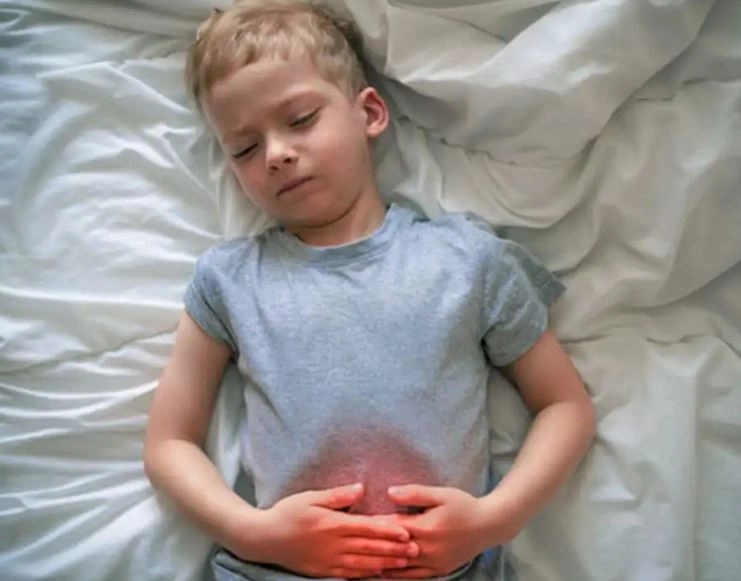
Dr. Ahmed Fouad confirms that gastrointestinal diseases in children are among the most common medical conditions that require careful monitoring, as these diseases can affect growth and overall health if not properly treated. He emphasizes that early diagnosis and regular follow-up are essential to ensure proper digestive health in children.
Dr. Ahmed Fouad explains that childhood gastrointestinal diseases include a wide range of conditions, such as:
Gastroenteritis: usually caused by viral or bacterial infections, leading to diarrhea, vomiting, and abdominal pain.
Chronic constipation: a common problem caused by insufficient fluid intake or an unbalanced diet.
Gastroesophageal reflux disease (GERD): causes heartburn and frequent vomiting, which can lead to poor appetite and weight loss.
Intestinal sensitivity: such as celiac disease or food allergies, causing bloating and chronic discomfort.
Dr. Ahmed Fouad confirms that identifying the exact type of disease helps determine the most appropriate treatment for each child.
Dr. Ahmed Fouad explains the importance of monitoring children for abnormal signs, such as:
Abdominal pain or cramps.
Persistent diarrhea or constipation.
Weight loss or poor appetite.
Continuous bloating and gas.
Frequent vomiting or blood in the stool.
Dr. Ahmed Fouad confirms that recurring symptoms require an urgent consultation with a pediatric gastroenterologist to prevent complications.
Dr. Ahmed Fouad explains the importance of accurate testing to diagnose gastrointestinal diseases, including:
Laboratory tests of stool and blood.
X-rays or CT scans if needed.
Endoscopy for precise examination of the stomach and intestines.
Dr. Ahmed Fouad confirms that using the latest equipment and techniques ensures accurate diagnosis and determines the best treatment plan for each case.
Dr. Ahmed Fouad explains that treatment depends on the type and severity of the disease, and may include:
Medication: such as antibiotics, acid reducers, or drugs to regulate bowel movements.
Proper diet: modifying food intake to reduce symptoms and improve digestion.
Supportive care: including fluids to replace lost salts and vitamin supplements to support growth.
Dr. Ahmed Fouad confirms the importance of continuous follow-up to ensure treatment effectiveness and prevent recurrence.
Dr. Ahmed Fouad explains daily preventive measures to maintain healthy digestion in children:
Washing hands thoroughly before meals and after using the bathroom.
Providing a balanced diet with fiber, protein, and vitamins.
Avoiding contaminated or high-fat foods.
Ensuring proper hydration, especially during diarrhea episodes.
Consulting a doctor immediately if any persistent or abnormal symptoms appear.