
Published on: 2025-10-08 | Written by: Rania Wahba Foundation for Speech Therapy and Rehabilitation
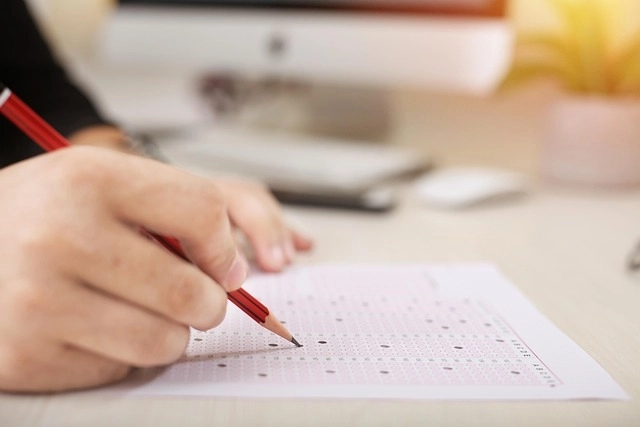
Learning difficulties are challenges that may affect a child’s ability to achieve academically and acquire educational skills, despite having average intellectual abilities. They may appear as difficulties with reading, writing, mathematics, concentration, or attention. These difficulties require accurate assessment and specialized programs tailored to each child’s individual needs. Rania Wahba Institution provides specialized assessment and support services for children with learning difficulties through programs designed to strengthen their abilities and develop their educational skills.
Learning difficulties may appear at different stages of a child’s development. Common signs include persistent difficulty reading or understanding words, confusing letters, problems with writing and spelling, difficulty performing mathematical operations, as well as poor concentration and attention and difficulty following instructions or remembering information. However, these signs do not necessarily indicate the same problem in every child. Therefore, specialized assessment is important for identifying the nature of the difficulty and determining the child’s specific needs.
Learning difficulties can involve several areas. They may be related to reading, such as difficulty recognizing words and understanding texts; writing, such as poor spelling and difficulty organizing written work; or mathematics, such as difficulty understanding numbers and mathematical operations. Some children may also experience difficulties with attention, memory, and executive skills, which can affect their performance at school and their ability to complete academic tasks.
Rania Wahba Institution places great importance on assessing the child’s abilities before determining the appropriate program. Specialized tests and assessments are used to identify the child’s strengths and the areas that require support. This assessment helps develop a program that matches the child’s abilities and developmental level rather than relying on the same approach for every case.
Supporting children with learning difficulties depends on continuous training and individualized programs targeting the skills that need development, including reading, writing, mathematics, attention, concentration, and memory. Family cooperation with specialists also plays an important role in supporting the child, particularly by applying appropriate exercises and guidance at home on a regular basis.
It is important not to consider learning difficulties as a sign of low intelligence. A child who struggles with a particular academic skill may have other strong and distinctive abilities. Therefore, early identification and appropriate assessment can help provide the right support and improve the child’s ability to learn and make academic progress.
Rania Wahba Institution provides specialized learning-difficulty sessions covering reading, writing, and mathematics, in addition to developing concentration, attention, and memory skills. The programs focus on the specific skills that each child needs to improve according to the assessment results.
Families can also benefit from online consultations inside and outside Egypt through Rania Wahba Institution, receiving appropriate guidance regarding learning difficulties and ways to deal with them, as well as follow-up support remotely, especially for families who may find it difficult to visit the institution regularly.
Ultimately, effective support for learning difficulties begins with understanding the nature of the problem and identifying the skills that require development, followed by choosing appropriate programs and providing continuous follow-up. Rania Wahba Institution provides assessment, support, and skill-development services to help children strengthen their educational abilities and better cope with the challenges they may face.