

Published on: 2025-10-07 | Written by: Dr. Imad Mustafa Consultant Urologist
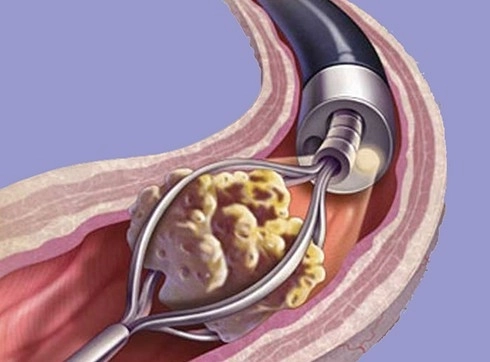
Urinary tract stones are a common health problem that can cause severe pain in the sides or back and may be accompanied by a burning sensation during urination or blood in the urine. With advances in medical technology, laser lithotripsy has become one of the modern techniques used to treat many kidney and ureteral stones. It helps break stones into smaller fragments that can be removed or passed through the urine, depending on the size, location, and nature of the stone.
Dr. Emad Mostafa, Consultant of Urology and Andrology and a member of the Egyptian and European Associations of Urology, specializes in treating urinary tract diseases, including laser lithotripsy using modern techniques and endoscopic procedures. The appropriate treatment method is determined according to each patient's condition.
What Are Urinary Tract Stones?
Urinary tract stones are solid deposits that form when certain salts and minerals accumulate in the urine. They may develop in the kidneys and then move into the ureters or bladder. Stones vary in size and composition. Some are small and cause no noticeable symptoms, while larger stones may obstruct the urinary tract or cause episodes of severe pain.
Stones develop due to several factors, including insufficient water intake, high concentrations of certain salts in the urine, genetic factors, some metabolic disorders, dietary habits, and medical conditions that increase the likelihood of stone formation.
Determining the size and location of the stone and its effect on urine flow requires appropriate medical examinations to identify the most suitable treatment, whether medication, observation and follow-up, or intervention using an endoscope and laser.
What Is Laser Lithotripsy for Urinary Tract Stones?
Laser lithotripsy is a medical procedure that uses laser energy to break stones into smaller fragments. It is usually performed using a thin endoscope inserted through the urinary tract to reach the stone without requiring an external surgical incision in most cases.
This procedure is used to treat many ureteral and kidney stones, depending on their location, size, and composition. The endoscope allows the doctor to visualize the stone directly and direct laser fibers toward it to break it into fragments that can be removed using specialized instruments or left to pass naturally through the urine when appropriate.
The doctor determines the type of endoscope, the fragmentation technique, and whether a temporary ureteral stent is needed based on the patient's condition and examination results.
When Does a Patient Need Laser Lithotripsy?
Not all urinary tract stones require surgical intervention. Some small stones may pass naturally through the urine, while others require treatment because of their size, location, or associated symptoms.
Cases that may require laser lithotripsy include:
Ureteral stones that cause recurrent episodes of renal colic.
Stones that are unlikely to pass naturally because of their size or location.
Persistent pain despite appropriate treatment.
Obstruction of urine flow caused by a stone.
Failure of previous treatment methods.
Kidney stones that require intervention based on their size, location, and effect on urinary system function.
In cases of urinary obstruction accompanied by fever or infection, the patient may first require urgent urine drainage and treatment of the infection. Treatment of the stone is then scheduled once the patient's condition has stabilized.
How Is Laser Lithotripsy Performed?
Laser lithotripsy follows specific medical steps, although the details vary depending on the stone's location and the patient's condition.
1. Preoperative Examinations
The doctor begins by evaluating the patient's general health and reviewing their symptoms. The necessary tests are then performed to determine the stone's size and location. These may include:
Urinalysis to detect signs of inflammation or blood in the urine.
Urine culture when an infection is suspected.
Kidney function tests, depending on the patient's condition.
CT scans or ultrasound examinations to determine the stone's size and location.
Additional tests required before anesthesia or surgical intervention.
These examinations help the doctor select the appropriate stone fragmentation method and reduce the risk of complications.
2. Anesthesia and Patient Preparation
Laser lithotripsy using an endoscope is usually performed under general anesthesia or another type of anesthesia selected by the anesthesiologist according to the procedure and the patient's medical condition.
The patient is prepared according to medical instructions regarding fasting, medications, and chronic medical conditions.
3. Inserting the Endoscope and Reaching the Stone
The doctor inserts the endoscope through the urinary tract to reach the ureter or kidney, depending on the stone's location. In some cases, a flexible endoscope is used to reach stones located in different parts of the kidney.
This technique allows the doctor to visualize the stone directly and guide the laser fibers toward it with precision.
4. Breaking the Stone Using Laser Energy
The doctor directs laser energy toward the stone to break it into small fragments. Depending on the type and size of the stone and the technique used, it may be reduced to fine particles or divided into pieces that can be easily removed.
Specialized instruments may be used to extract stone fragments, while some fragments may be left to pass naturally through the urine when it is safe and appropriate to do so.
5. Ureteral Stent Placement When Necessary
The doctor may decide to insert a temporary ureteral stent to help drain urine and reduce the effects of swelling after the procedure. Not all patients require a stent; the decision depends on the details of the procedure and the condition of the urinary tract.
It is essential to follow the scheduled appointment for stent removal or replacement, if one has been inserted, to avoid problems associated with leaving it in place longer than recommended.
What Are the Advantages of Laser Lithotripsy?
Laser technology has become an important option for treating many urinary tract stones because it offers precision during endoscopic procedures.
Its main advantages include:
Accessing many kidney and ureteral stones using endoscopic techniques.
Breaking stones under direct visualization.
Avoiding an external surgical incision in most standard endoscopic procedures.
Treating stones of different sizes and compositions, depending on the patient's condition.
Reducing the need for open surgery in many suitable cases.
Allowing stone fragments to be extracted during the procedure.
Helping restore urine flow when a successfully treated stone has caused an obstruction.
However, choosing laser lithotripsy does not guarantee that all stones will be completely removed in a single session. Some cases may require more than one procedure or a different treatment method, depending on the size, number, and location of the stones.
Is Laser Lithotripsy Painful?
Laser lithotripsy using an endoscope is usually performed under anesthesia, so patients do not feel pain during the procedure under standard circumstances.
After the procedure, some patients may experience temporary symptoms, such as:
A mild burning sensation during urination.
Small amounts of blood in the urine for a short period.
Frequent urination or an urgent need to urinate.
Mild pain in the side or lower abdomen.
Discomfort if a ureteral stent has been inserted.
These symptoms usually improve during recovery. However, persistent or worsening symptoms require contacting the doctor. Fever, chills, severe pain, or difficulty urinating require urgent medical evaluation.
How Long Does Laser Lithotripsy Take?
The duration of laser lithotripsy varies according to the size, number, and location of the stones and how easily they can be reached using the endoscope. Some procedures take a relatively short time, while more complex cases may require longer procedures or treatment in stages.
The length of hospital stay and the time needed to return to daily activities also vary depending on the procedure, the patient's condition, the presence of complications, and whether a ureteral stent is required.
The doctor determines the expected duration and recovery period for each patient after reviewing imaging and test results.
What Is the Difference Between Laser Lithotripsy and Extracorporeal Shock Wave Lithotripsy?
There are several methods for treating urinary tract stones. The choice depends on the stone's size, location, hardness, and the condition of the kidneys.
Laser lithotripsy using an endoscope:
The doctor reaches the stone using an endoscope inserted into the urinary tract.
Laser energy is directed at the stone to break it apart.
Some fragments can be removed using specialized instruments.
It is used to treat many ureteral and kidney stones, depending on the patient's condition.
Extracorporeal shock wave lithotripsy (ESWL):
Shock waves are delivered from outside the body to break the stone into smaller fragments.
The standard procedure does not require inserting an endoscope into the urinary tract.
The patient may need more than one session, and the method is not suitable for every type of stone.
Its effectiveness depends on the stone's size, location, hardness, and other factors.
No single method is suitable for every patient. Therefore, the urologist determines the most appropriate option after evaluating the patient's condition.
What Causes Urinary Tract Stones to Recur?
Stones may form again in some patients even after successful treatment, particularly when the factors that contributed to their formation persist.
The main causes of recurrent stones include:
Insufficient water intake.
High concentrations of stone-forming salts in the urine.
A family history of kidney stones.
Certain metabolic disorders that affect the balance of minerals and salts.
Excessive consumption of certain foods or salt, depending on the type of stone.
Certain diseases or medications that increase the likelihood of stone formation.
The doctor may recommend analyzing the stone after removal or performing additional urine and blood tests, especially for patients with recurrent stones or specific risk factors.
Tips for Preventing Urinary Tract Stones After Treatment
Certain lifestyle changes can help reduce the risk of recurrent stones. However, dietary recommendations should be tailored to the stone type and the patient's medical condition.
Important preventive measures include:
Drinking sufficient water throughout the day, unless a medical condition requires fluid restriction.
Avoiding excessive salt intake and highly salted foods.
Maintaining a balanced diet.
Avoiding unnecessary restrictions on dietary calcium without medical advice, as an appropriate calcium intake may help prevent certain types of stones.
Following the prescribed treatment plan and attending follow-up appointments.
Completing the tests and examinations recommended by the doctor to identify the causes of recurrent stones.
Maintaining appropriate physical activity and a healthy weight.
Prevention strategies differ from one patient to another because measures appropriate for calcium stones may differ from those used for uric acid stones or other types.