

Published on: 2025-10-07 | Written by: Dr. Imad Mustafa Consultant Urologist
What is Laser Stone Fragmentation in the Urinary Tract?
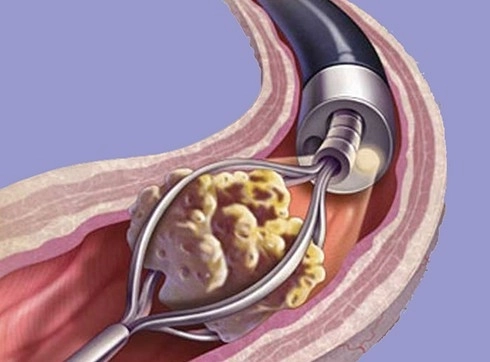
The expertise of Dr. Emad Mostafa clarifies that laser stone fragmentation in the urinary tract is one of the most precise and safest techniques to remove stones without the need for open surgery. He emphasizes that this procedure relies on directing laser beams through a fine endoscope to break the stone into small fragments that can easily pass naturally with urine, significantly reducing pain and recovery time.
Causes of Urinary Tract Stones
Dr. Emad Mostafa points out that unhealthy dietary habits—such as insufficient water intake and excessive consumption of salt and animal protein—are major causes of stone formation. He stresses that having a family history of stones or certain conditions like gout and parathyroid disorders increases the risk of developing stones, so regular checkups and follow-ups are essential.
Advantages of Laser Stone Fragmentation
Dr. Emad Mostafa emphasizes that using laser technology for stone fragmentation offers high precision and immediate results without cuts or bleeding, making it the best option for large or deeply located stones in the kidneys or ureters. He explains that patients usually leave the hospital the same day or the next day and return to their normal activities very quickly.
Steps of the Laser Procedure
Dr. Emad Mostafa confirms that the procedure is performed under mild anesthesia using a delicate endoscope inserted through the urethra to locate the stone. Laser energy is then applied to break it into small fragments. He stresses the importance of using the latest equipment to ensure the procedure’s safety and to prevent any damage to surrounding tissues during fragmentation.
Post-Procedure Tips to Prevent Stone Recurrence
Dr. Emad Mostafa warns about the importance of drinking enough water daily and following a balanced, low-salt, and low-protein diet. He explains that regular follow-up visits after the procedure are vital for early detection of any new deposits, preventing stone recurrence, and maintaining long-term urinary tract health.